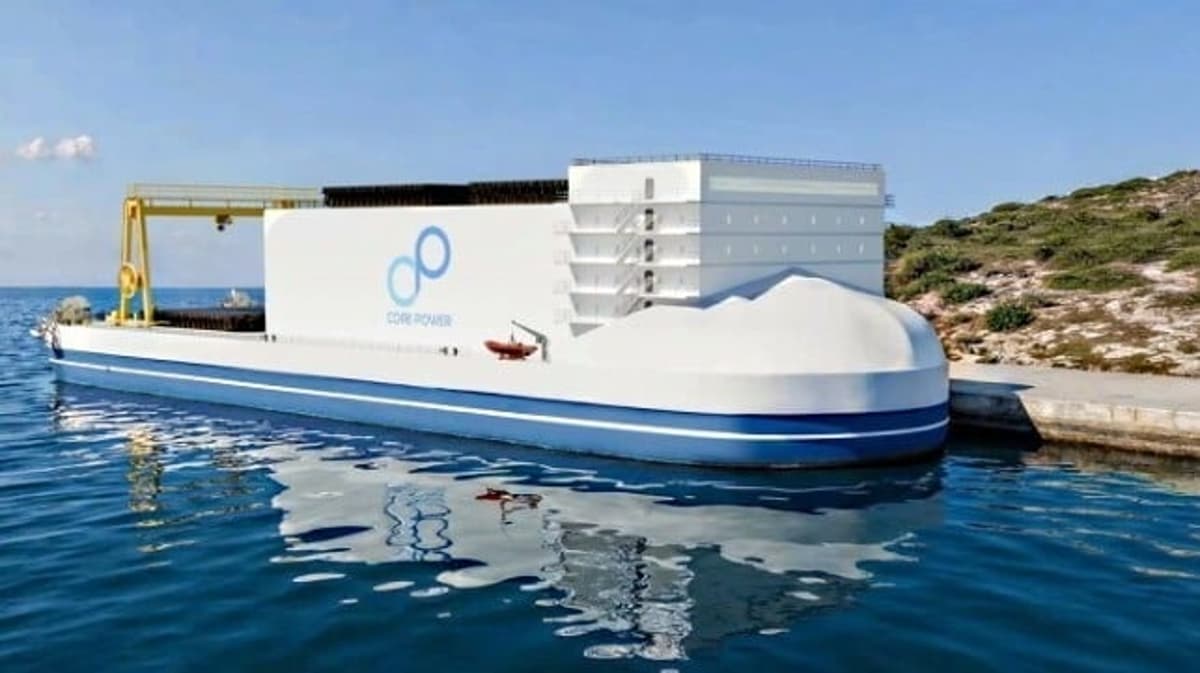
Study: Greek Islands Could Benefit From Floating Nuclear Power by 2035
Companies Mentioned
Why It Matters
Floating nuclear units would provide reliable, emissions‑free power to remote islands, cutting diesel imports and strengthening Greece’s overall energy security.
Key Takeaways
- •Floating nuclear plants could replace diesel generators on Greek islands
- •Modular barges can be relocated to match shifting demand hotspots
- •Greece's maritime industry can build and operate the floating units
- •Study projects deployment readiness by 2035‑40 pending regulation
- •Public acceptance and policy integration remain critical hurdles
Pulse Analysis
Greece’s energy transition has reached a paradox: abundant solar generation on the mainland now creates curtailment, while dozens of non‑interconnected islands still rely on diesel‑fired plants that import costly fuel. The islands’ limited grid capacity and high electricity prices make them prime candidates for firm, low‑carbon sources. Floating nuclear power plants (FNPPs) – compact reactors mounted on barges – promise to fill this gap without the extensive land use or construction timelines of traditional nuclear sites.
FNPPs are technically mature, offering gigawatt‑scale output in a modular footprint that can be towed to any coastal location. For Greece, this aligns with a strong shipbuilding sector and a legacy of maritime engineering, reducing supply‑chain friction and creating domestic jobs. The ability to relocate reactors means capacity can follow demand spikes, such as port electrification projects or data‑center expansions, while maintaining grid independence for isolated communities. Compared with offshore wind or battery storage, FNPPs deliver continuous baseload power, mitigating the intermittency challenges that have plagued renewable integration on small islands.
The path to deployment, however, hinges on regulatory clarity and societal consent. Greece must embed nuclear options into its national energy plan, establish safety oversight, and address public concerns about radiation and waste. If political momentum translates into concrete policy and outreach, the 2035‑40 timeline outlined by the study is plausible. Success could set a precedent for other archipelagic nations seeking to decarbonize remote grids, positioning floating nuclear as a viable bridge between renewables and reliable baseload supply.
Study: Greek Islands Could Benefit From Floating Nuclear Power by 2035
Comments
Want to join the conversation?
Loading comments...