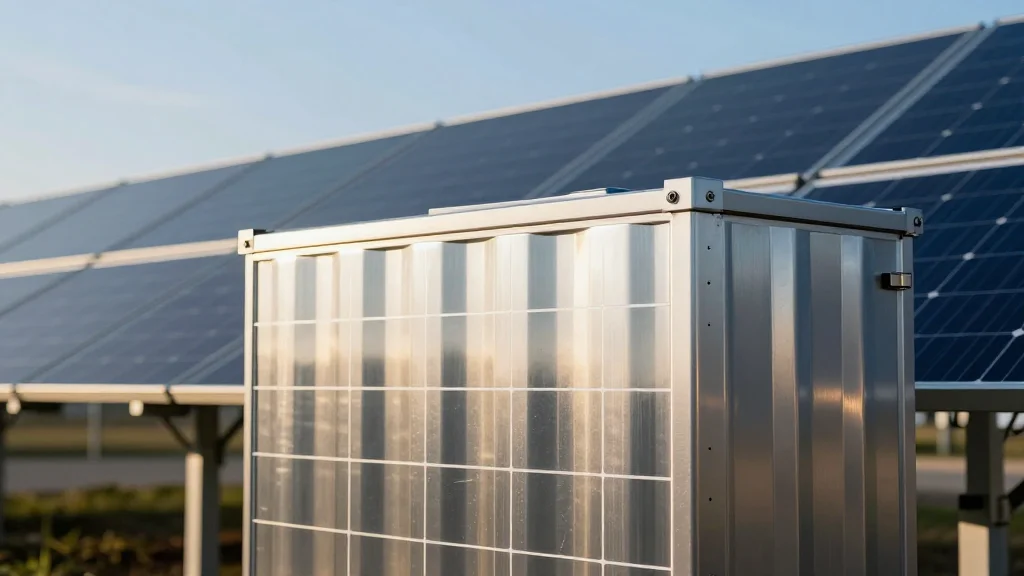
Sungrow to Supply 7.5GWh of Storage for Masdar’s Abu Dhabi RTC Project
Companies Mentioned
Why It Matters
The project demonstrates that large‑scale solar plus storage can provide reliable, carbon‑free baseload power, reshaping utility‑scale renewables in hot climates and setting a replicable model for global markets.
Key Takeaways
- •Sungrow to supply 7.5 GWh storage and 2.6 GW inverters for Masdar’s RTC project
- •Project integrates 5.2 GW solar with 19 GWh battery, targeting 2027 operation
- •$6 bn investment aims to cut 5.7 million tonnes of CO₂ annually
- •PowerTitan 3.0 units offer 99.3% peak efficiency and 90% round‑trip efficiency
- •Design supports 8‑hour charge, 16‑hour discharge cycles for baseload power
Pulse Analysis
The Masdar‑Sungrow partnership marks a watershed moment for utility‑scale renewables in the Middle East. By marrying 5.2 GW of solar generation with 19 GWh of battery storage, the Abu Dhabi RTC project creates a true baseload power source that can run continuously, regardless of daylight. This scale‑up not only addresses the region’s soaring electricity demand from heavy industry and emerging digital hubs, but also aligns with the United Arab Emirates’ ambition to diversify its energy mix and meet aggressive decarbonisation targets.
Sungrow’s PowerTitan 3.0 system brings cutting‑edge liquid‑cooled silicon‑carbide technology to the desert environment. With a peak conversion efficiency of 99.3 % and a round‑trip efficiency of 90 %, the batteries can store energy for eight hours and discharge for sixteen, delivering a stable output that mimics traditional baseload plants. The hardware is engineered to operate at ambient temperatures up to 55 °C without performance loss, a critical advantage in the Gulf’s harsh climate. These specifications position Sungrow as a leading supplier in the fast‑growing global BESS market, where reliability and efficiency are paramount.
Beyond the technical feat, the $6 bn investment underscores the financial confidence in large‑scale storage as a revenue‑generating asset. The projected annual avoidance of 5.7 million tonnes of CO₂ translates into tangible environmental and economic benefits, while the project’s design serves as a template for replication worldwide. As more utilities seek to replace fossil‑fuel peakers with renewable baseload, the Masdar‑Sungrow model could accelerate the rollout of similar RTC schemes, reshaping grid dynamics and creating new opportunities for manufacturers, developers, and investors alike.
Sungrow to supply 7.5GWh of storage for Masdar’s Abu Dhabi RTC project
Comments
Want to join the conversation?
Loading comments...