‘Supplemental’ Municipal Utility Begins Solar-and-Storage Installs in Ann Arbor, Michigan
Why It Matters
The initiative shows how a supplemental municipal utility can accelerate clean‑energy adoption, address energy equity, and challenge traditional investor‑owned utility models in a regulated market.
Key Takeaways
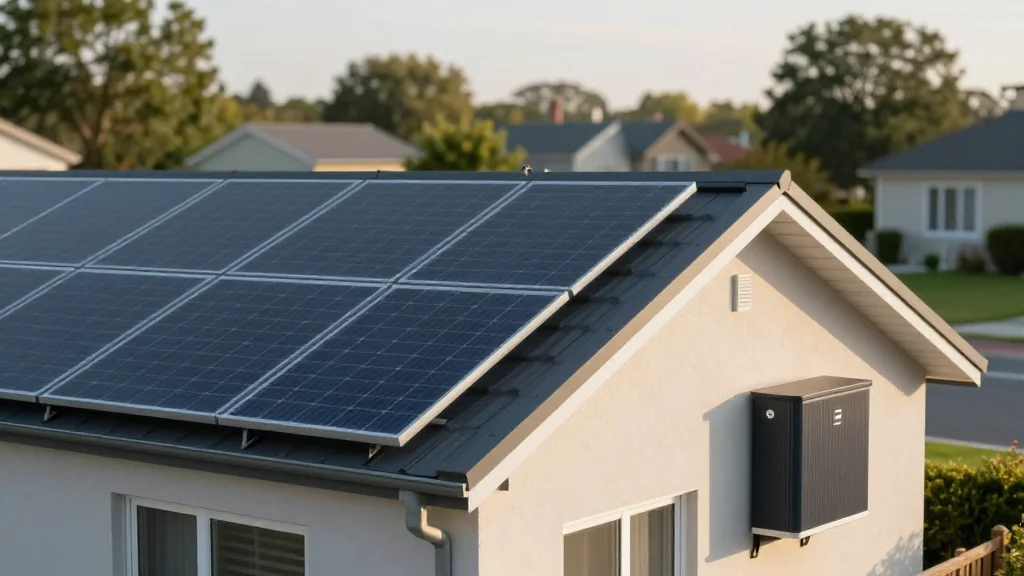
- •Pilot installs solar-plus-storage on 150 Bryant homes, scaling to 1,000 by 2027
- •FranklinWH provides combined battery‑inverter system, forming a virtual power plant
- •Program targets energy‑burdened residents, aiming to cut household utility costs
- •DTE invests $270 million in grid upgrades, yet opposes full municipalization
- •Full public utility projected to cost $1 billion, raising bills 30‑40%
Pulse Analysis
Ann Arbor’s decision to create a supplemental municipal utility reflects a growing trend among cities to take direct control of clean‑energy deployment. After an 80% voter approval for a city‑owned utility, the A2SEU pilot focuses on the Bryant neighborhood, where households spend a disproportionate share of income on electricity. By pairing rooftop solar with battery storage, the program enables self‑consumption during daylight and shifts excess generation to evening hours, directly reducing bills for energy‑burdened families while advancing the city’s climate goals.
Technically, the pilot leverages FranklinWH’s combined battery‑inverter units and integrates installations from three local solar firms. These assets are coordinated through Texture’s energy‑management platform, forming a virtual power plant that can dispatch stored energy during outages or peak demand. The approach not only bolsters resilience in a region prone to prolonged outages but also eases strain on DTE’s aging distribution network. DTE’s parallel $270 million grid‑modernization plan underscores the complementary, yet competitive, dynamics between incumbent utilities and emerging municipal players.
The broader implications extend beyond Ann Arbor. Proponents argue that a full municipal utility could democratize energy access, embed equity‑focused programs, and accelerate decarbonization. Critics, citing DTE’s analysis, warn of a $1 billion upfront cost and potential 30‑40% bill increases for ratepayers. As other municipalities watch the outcomes, the Ann Arbor experiment may become a template—or a cautionary tale—for cities seeking to balance affordability, reliability, and climate ambition in the evolving U.S. energy landscape.
‘Supplemental’ municipal utility begins solar-and-storage installs in Ann Arbor, Michigan
Comments
Want to join the conversation?
Loading comments...