Surge in Global Wind Energy Capacity Growth to Propel MPV Volumes
Why It Matters
The projected vessel shortage could delay offshore wind projects, raising costs and slowing progress toward renewable energy targets, while creating lucrative opportunities for shipbuilders and investors in the MPV sector.
Key Takeaways
- •Global wind capacity to add 320 GW by 2030.
- •Offshore wind growth drives demand for larger installation vessels.
- •Expected shortage of heavy‑lift MPVs could bottleneck projects.
- •Onshore projects account for ~200 GW of new capacity.
- •Vessel operators anticipate sustained contracts through 2030.
Pulse Analysis
The Global Wind Energy Council’s latest outlook projects 320 GW of new wind capacity between 2026 and 2030, split roughly 200 GW onshore and 123 GW offshore. This acceleration reflects falling turbine costs, supportive policy frameworks in Europe, the United States, and emerging markets such as Brazil and India. Offshore wind, in particular, is scaling up with megawatt‑class turbines and floating foundations, pushing overall capacity growth to its highest five‑year pace in a decade. The surge reshapes energy supply chains and amplifies demand for specialized maritime services.
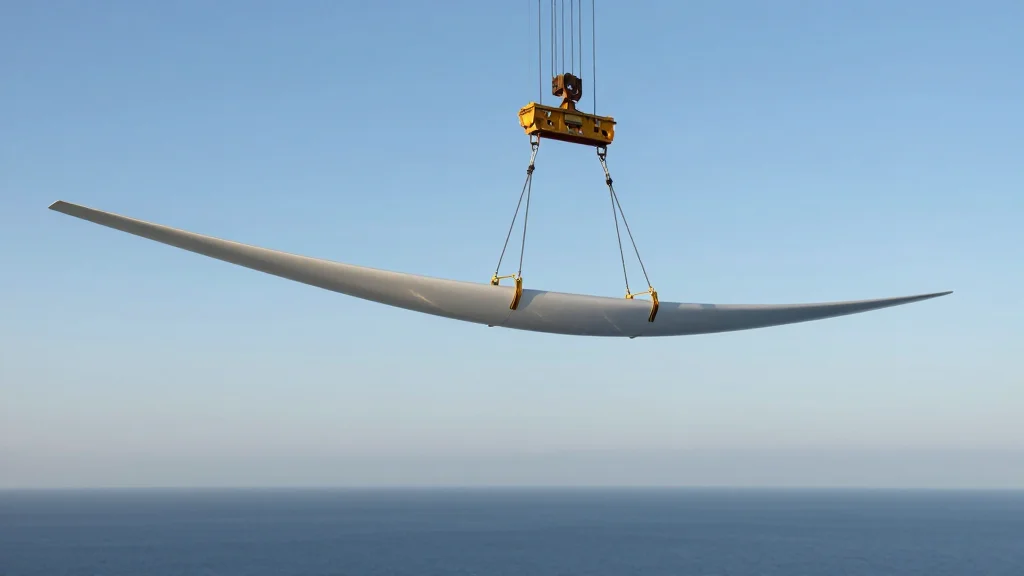
Multipurpose vessels (MPVs) and specialist installation ships are the logistical backbone of turbine deployment. As turbine blades and nacelles grow heavier—often exceeding 100 tonnes—operators require vessels with higher crane capacities and larger deck spaces. Analysts warn that the current fleet of heavy‑lift MPVs is insufficient to meet the offshore pipeline, risking project delays and cost overruns. Existing vessels are being retrofitted, while new builds are slated for delivery from European and Asian shipyards, but lead times of 24‑36 months could exacerbate the shortfall.
For investors and shipbuilders, the projected vessel shortage presents a clear market opportunity. Companies that can deliver next‑generation heavy‑lift MPVs, incorporate modular deck designs, or offer integrated project‑management services stand to secure long‑term charters. Meanwhile, developers may explore alternative strategies such as staged component delivery or joint‑venture vessel ownership to mitigate risk. If supply constraints are addressed, the wind sector’s momentum can continue unabated, reinforcing renewable energy targets and supporting the broader decarbonization agenda through 2030 and beyond.
Surge in global wind energy capacity growth to propel MPV volumes
Comments
Want to join the conversation?
Loading comments...