Why It Matters
Rapid data‑center expansion reshapes power infrastructure, forcing utilities to invest heavily while confronting a talent crunch that could limit grid modernization. The shift also re‑energizes nuclear options, influencing the long‑term energy mix and investment landscape.
Key Takeaways
- •Data‑center demand in U.S. projected to surge over next decade
- •Grid reliability strained, prompting new generation and transmission investments
- •AI tools expected to optimize utility operations and enhance flexibility
- •Labor shortages intensify competition for engineers, technicians, and nuclear specialists
- •Nuclear life extensions and SMRs gain interest due to AI‑driven demand
Pulse Analysis
The convergence of artificial intelligence, cloud computing, and hyperscale data centers is redefining the electricity landscape. As AI workloads multiply, data centers consume more power, prompting utilities to reassess capacity planning and grid resilience. Deloitte’s forecasts suggest a steep upward trajectory for U.S. data‑center electricity use, compelling utilities to invest in higher‑efficiency generation assets and modernized transmission corridors. This surge also accelerates the adoption of advanced cooling solutions and real‑time demand‑response tools that can shave megawatts off peak loads.
Beyond infrastructure, the talent gap emerges as a critical bottleneck. Utilities, tech firms, and data‑center developers are all hunting for the same scarce pool of engineers, technicians, and nuclear specialists. The competition drives up wages and forces industry players to partner with universities and trade schools to create targeted training pipelines. Collaborative programs that blend power‑system curricula with data‑center engineering are gaining traction, aiming to close the skills deficit before it hampers grid upgrades and renewable integration.
Nuclear power reappears as a strategic option amid AI‑driven demand spikes. Existing reactors are being evaluated for life‑extension projects, while small modular reactors (SMRs) attract interest for their scalability and lower upfront costs. AI analytics enable more precise forecasting of electricity needs, making nuclear’s steady baseload more attractive to utilities seeking reliability. Moreover, technology giants are exploring direct stakes in generation assets to secure clean, uninterrupted power for their facilities. This multi‑faceted shift signals a transformative era for the power sector, where data, talent, and nuclear innovation intersect to shape the grid of tomorrow.
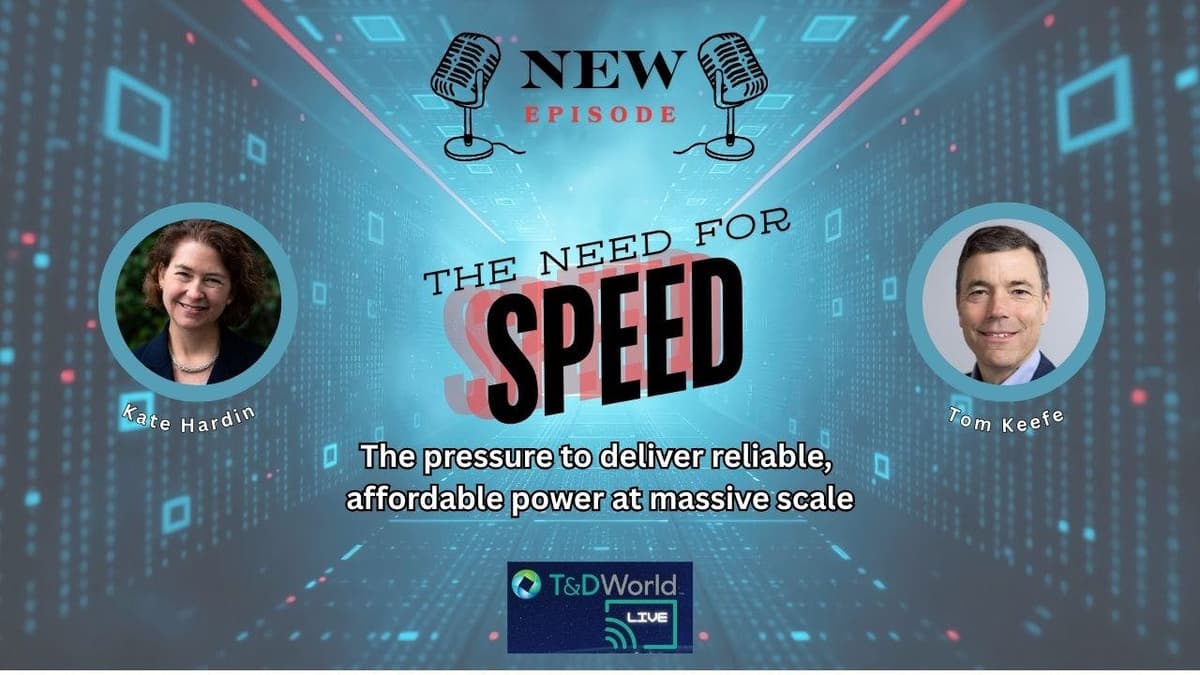
T&D World Live Podcast: The Need for Speed
Comments
Want to join the conversation?
Loading comments...