Texas May Have Accidentally Built the Perfect Grid for AI
Companies Mentioned
Why It Matters
AI’s appetite for megawatts is reshaping Texas’s power grid, giving developers with existing transmission access a competitive edge while straining utilities and delaying projects lacking firm commitments.
Key Takeaways
- •Galaxy Helios approved 1.6 GW, but phased rollout starts at 133 MW
- •ERCOT's large‑load queue exceeds 230 GW, driven by AI projects
- •West Texas transmission built for wind now powers emerging AI campuses
- •Transformer and breaker shortages could delay AI campus construction by years
- •Private 327 MW diesel backup at Helios resembles industrial power plants
Pulse Analysis
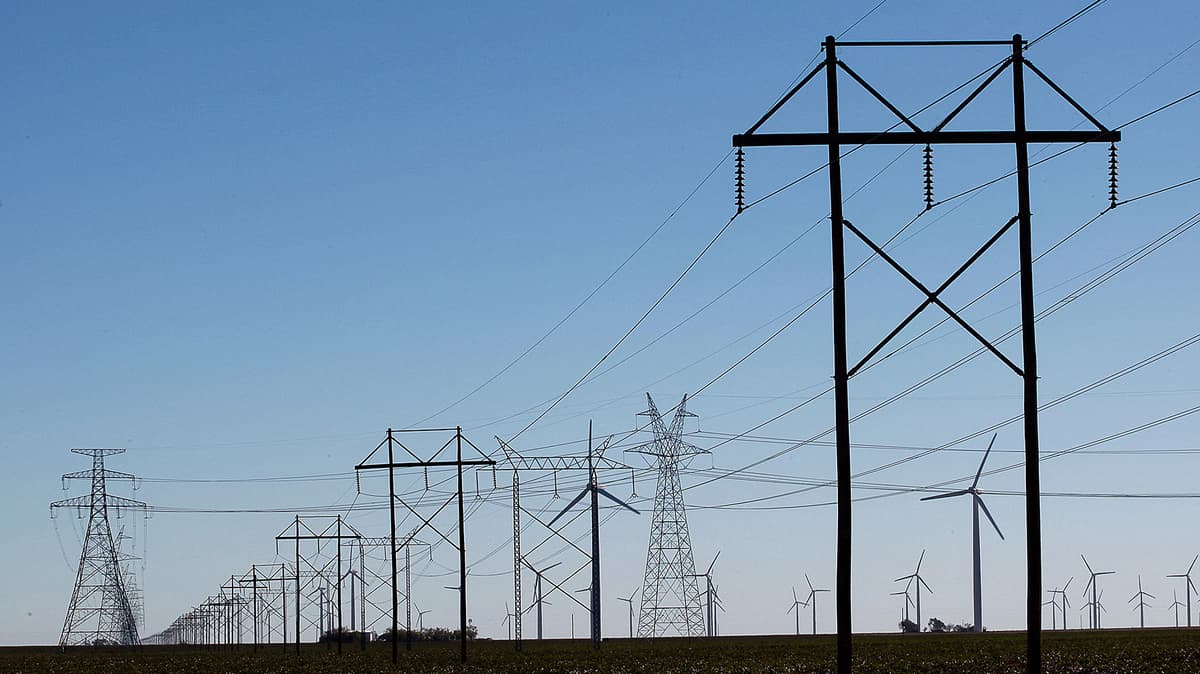
The rapid rise of generative‑AI workloads is redefining where data‑center developers look for sites. Historically, clusters gravitated toward fiber‑dense corridors such as Northern Virginia, but today the limiting factor is reliable, high‑capacity electricity. Texas’s CREZ corridors, originally financed to transport remote wind farms, provide 345‑kV pathways that can accommodate multi‑gigawatt loads with minimal new right‑of‑way work. This existing backbone reduces siting time, cuts capital expenditures, and aligns with hyperscalers’ need for swift energization, making West Texas an attractive "second tier" compute hub.
However, the promise of abundant power is tempered by real‑world constraints. ERCOT’s large‑load interconnection queue has ballooned beyond 230 GW, and utilities are wrestling with transformer, breaker, and substation component shortages that can extend build timelines by several years. Projects like Galaxy’s Helios campus illustrate the gap between announced capacity and physically energized load; while 1.6 GW is approved, only a fraction is online while the rest awaits equipment and transmission studies. This uncertainty forces investors to demonstrate firm financing, equipment contracts, and realistic construction schedules before regulators allocate scarce grid resources.
Looking ahead, Texas may become the template for AI‑centric infrastructure planning. As more developers target regions with pre‑existing high‑voltage corridors, state regulators are likely to refine interconnection processes, prioritize projects with demonstrable load certainty, and perhaps incentivize private backup generation—evidenced by Helios’s 327 MW diesel array. The convergence of renewable‑era transmission and AI compute needs underscores a broader industry lesson: today’s grid investments can serve unforeseen future technologies, but only if planners anticipate the long‑term elasticity of power demand.
Texas May Have Accidentally Built the Perfect Grid for AI
Comments
Want to join the conversation?
Loading comments...