Thanks to Two New Laws, More Virginians Can Save with Community Solar
Companies Mentioned
Why It Matters
The legislation accelerates affordable clean‑energy access, lowering utility costs for a broad cross‑section of consumers while driving Virginia toward national leadership in community solar deployment.
Key Takeaways
- •Virginia law adds 525 MW Dominion, 100 MW APCo shared solar capacity.
- •New minimum bill $25‑$50 broadens participation across income levels.
- •Expansion could lower bills 10% for 125,000 households.
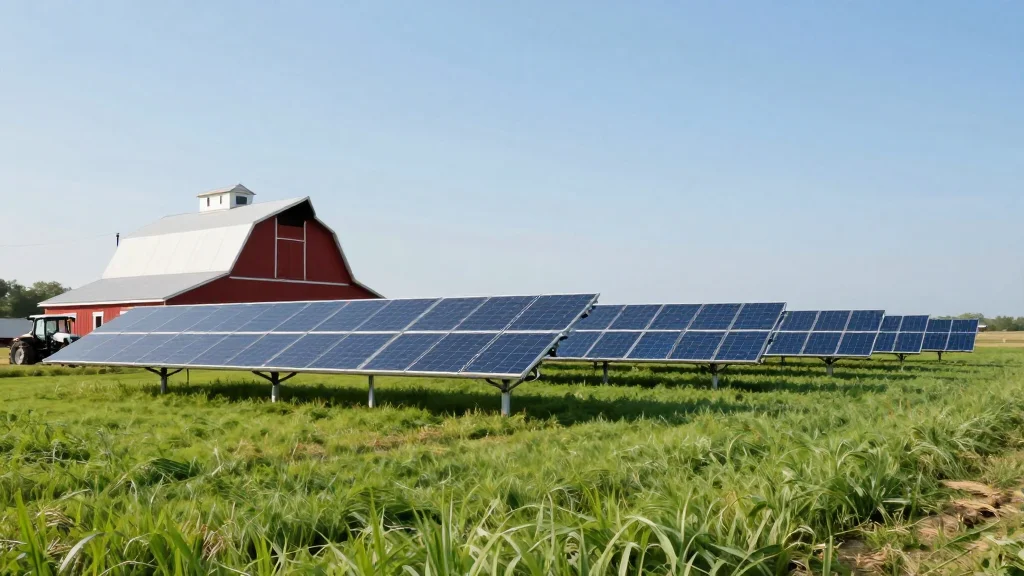
- •Farmers like Steve Ault earn tens of thousands from 5‑MW farms.
- •State moves toward fifth‑largest shared‑solar market in U.S.
Pulse Analysis
Virginia’s latest clean‑energy statutes represent a decisive shift toward utility‑scale community solar as a tool for price stability. By mandating Dominion Energy to deliver an additional 525 MW and Appalachian Power 100 MW of shared‑solar projects, lawmakers are translating the 2020 Clean Economy Act’s long‑term carbon‑free goal into near‑term affordability. The new bills also refine program design, introducing a modest $25‑$50 minimum monthly charge that balances utility revenue needs with broader consumer participation, especially for low‑income households previously excluded by higher thresholds.
For ratepayers, the impact is tangible. Analysts estimate a 10% reduction in electricity bills for an estimated 125,000 Virginia homes, translating into millions of dollars of household savings annually. The minimum‑bill structure ensures utilities retain a baseline cash flow while still delivering net‑negative costs to subscribers. This model also encourages diverse enrollment, from suburban renters with shaded roofs to rural farmers seeking supplemental income. Early adopters like Steve Ault have demonstrated that a 5‑MW farm can generate tens of thousands of dollars each year, reinforcing the financial viability of agrarian solar partnerships.
Regionally, the expanded 875 MW shared‑solar portfolio could catapult Virginia into the nation’s top five markets, trailing only Minnesota, which pioneered community solar. The influx of projects will alleviate grid congestion, reduce reliance on fossil‑fuel peaker plants, and support the state’s broader decarbonization targets. As utilities scale up, the state’s pole‑and‑wire infrastructure will see increased utilization, further driving down per‑kilowatt‑hour costs. In sum, Virginia’s policy blend of capacity mandates, affordability safeguards, and inclusive billing positions it as a blueprint for other states wrestling with rising energy prices and climate commitments.
Thanks to two new laws, more Virginians can save with community solar
Comments
Want to join the conversation?
Loading comments...