The Electrified Future Is Already Here. Canada Just Needs to Build It
Why It Matters
Canada’s existing low‑carbon assets can make it an energy superpower, yet without decisive infrastructure and policy action the country risks falling behind global decarbonization and missing economic opportunities in critical minerals.
Key Takeaways
- •Canada’s hydro provinces already rank among the world’s lowest‑carbon grids
- •HVDC transmission backbone could halve inter‑regional electricity losses
- •Battery prices now support 10‑hour grid‑scale storage
- •Mass‑timber builds capture roughly one ton CO₂ per ton of wood
- •Heat pumps operate efficiently even in sub‑zero Canadian climates
Pulse Analysis
Canada sits on a unique energy advantage: Quebec, British Columbia and Manitoba generate electricity almost entirely from hydro, delivering some of the lowest‑carbon power globally. Coupled with vast wind, solar and untapped pumped‑hydro sites, the country can meet its 1,000 TWh useful‑energy target without new fossil‑fuel plants. This resource base also includes world‑class deposits of lithium, nickel and rare‑earths essential for batteries and electric vehicles, positioning Canada to supply the raw materials of the electrified economy.
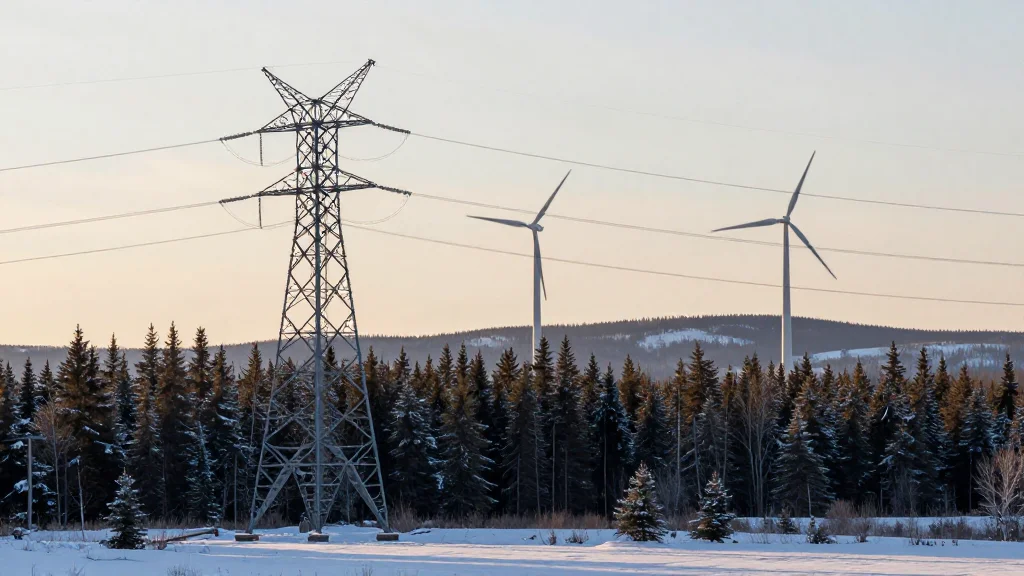
The missing piece is infrastructure. A high‑voltage direct‑current (HVDC) transmission backbone would link surplus renewable generation in the West to demand centers in the East, reducing losses and enabling a truly national grid. Complementary upgrades—dynamic line rating, reconductoring and repurposing existing corridors—can expand capacity without new land grabs. Meanwhile, battery costs have fallen to a point where 10‑hour, grid‑scale storage is economically viable, smoothing intermittency and deferring new transmission. Mass‑timber construction, already present in 700 Canadian projects, sequesters carbon while cutting cement emissions, and modern heat pumps now deliver high‑efficiency heating even in sub‑zero climates, offering a quick path to lower residential emissions.
Policy and messaging will determine whether these technologies scale. Recent clean‑energy tax credits now allow Crown corporations to finance transmission projects, unlocking private investment. Aligning incentives—such as subsidizing heat‑pump installations and removing setbacks for batteries—can accelerate adoption. Moreover, framing climate action through a broader moral lens—combining care with loyalty, authority and liberty—can bridge partisan divides and build the political will needed to turn Canada’s abundant clean‑energy potential into a competitive, low‑carbon economy.
The Electrified Future Is Already Here. Canada Just Needs to Build It
Comments
Want to join the conversation?
Loading comments...