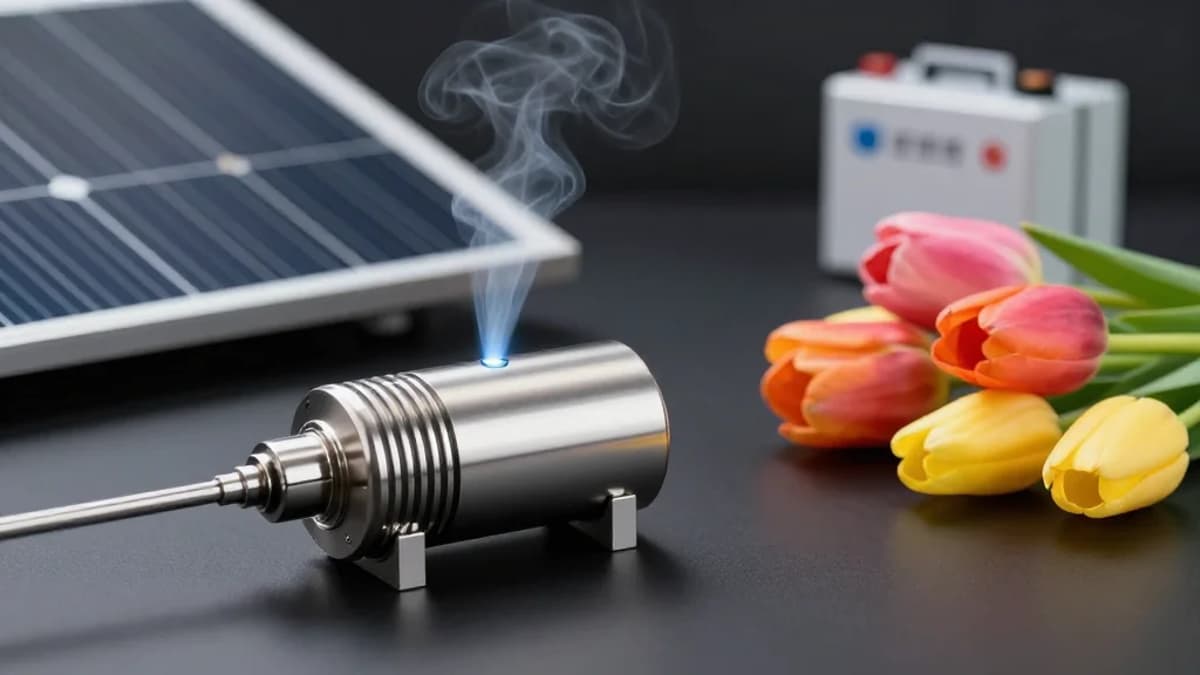
The Hydrogen Stream: Dutch Agribusiness Installs 1 MW Electrolyzer
•February 20, 2026
0
Companies Mentioned

Why It Matters
The deployment shows scalable, cost‑effective green hydrogen for agriculture, accelerating sector decarbonisation while the broader capacity surge signals a rapid shift toward renewable‑based hydrogen markets worldwide.
Key Takeaways
- •Rainbow Colors installed 1 MW solid oxide electrolyzer.
- •System paired with solar plant and battery storage.
- •Hydrogen cost projected below €10 per kilogram.
- •Global low‑carbon capacity could reach 65 mtpa by 2030.
- •Green hydrogen expected to dominate at 88.6% share.
Pulse Analysis
The Rainbow Colors electrolyzer marks a watershed moment for agribusiness, proving that high‑temperature solid‑oxide technology can be paired with on‑farm solar generation and battery storage to deliver cheap, zero‑emission hydrogen. By keeping production costs below €10/kg, the system makes on‑site fuel for greenhouse heating, precision spraying and logistics financially viable, reducing reliance on fossil‑derived inputs and showcasing a replicable model for other energy‑intensive farms.
Globally, the hydrogen landscape is poised for exponential growth. According to GlobalData, low‑carbon capacity could expand from under one megatonne today to over 65 mtpa by 2030, driven largely by investments across the United States, Canada and Mexico. The rapid rise of green hydrogen—projected to capture nearly 90% of output—signals a decisive shift away from blue and other low‑carbon variants, reshaping supply chains, financing structures and policy incentives as utilities and industrial users chase renewable‑based feedstocks.
Complementary breakthroughs reinforce this momentum. Fraunhofer’s single‑step DME synthesis slashes energy use by more than a quarter, improving the economics of hydrogen‑derived fuels and expanding the value chain beyond pure gas markets. Meanwhile, Germany’s €54 million commitment to decentralized hydrogen hubs provides testbeds for storage, liquefaction and heavy‑duty transport applications. Together, these initiatives create a virtuous ecosystem that lowers costs, accelerates technology adoption, and positions Europe and the Americas at the forefront of the emerging hydrogen economy.
The Hydrogen Stream: Dutch agribusiness installs 1 MW electrolyzer
0
Comments
Want to join the conversation?
Loading comments...