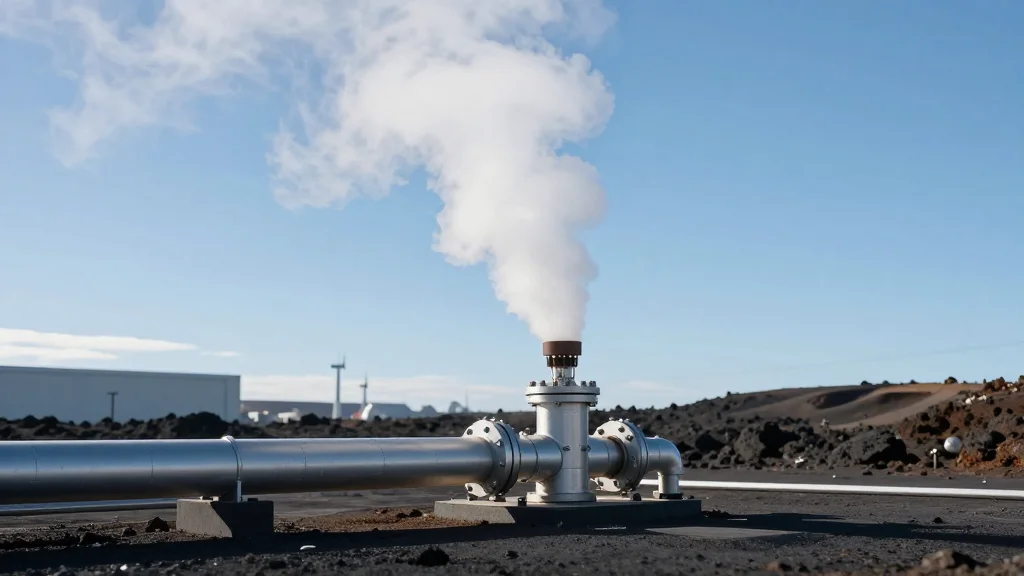
The New ‘Gold Rush’ of Geothermal Energy
Why It Matters
The record‑size IPO provides geothermal with unprecedented financing, accelerating deployment and diversifying the U.S. clean‑energy mix.
Key Takeaways
- •Fervo’s IPO raised $1.89 billion, biggest clean‑tech debut ever
- •Valuation exceeds $10 billion, underscoring market confidence in geothermal
- •Geothermal offers zero‑emissions baseload power unlike intermittent renewables
- •New capital could halve development timelines for geothermal projects
- •Investor interest may spur policy support and supply‑chain investments
Pulse Analysis
Geothermal energy, long touted for its baseload capability and minimal carbon footprint, is finally breaking out of the niche that has kept it under the policy radar. Unlike wind and solar, which require storage or backup, geothermal delivers steady power 24/7, making it an attractive complement to the grid as utilities grapple with reliability concerns amid rising climate‑related outages. Recent climate‑expert panels have softened worst‑case warming projections, yet the urgency for zero‑emission baseload remains, positioning geothermal as a strategic asset for meeting net‑zero targets without compromising grid stability.
The $1.89 billion raised by Fervo Energy in its initial public offering marks a watershed moment for the sector. As the biggest clean‑tech IPO to date, the deal not only validates investor confidence but also provides a deep pool of capital to fund drilling, exploration, and the development of advanced binary cycle plants. Compared with the modest financing historically available to geothermal projects, this influx could compress development cycles, lower cost of capital, and attract ancillary service providers, creating a virtuous cycle of innovation and economies of scale. The valuation north of $10 billion signals that the market is pricing in long‑term growth, potentially encouraging other venture and private‑equity firms to chase similar opportunities.
Looking ahead, the Fervo debut may catalyze policy shifts, as lawmakers see tangible private‑sector commitment to low‑carbon baseload. Federal incentives, such as expanded tax credits for geothermal drilling, could be bolstered, while state utilities might incorporate more geothermal contracts into their resource portfolios. However, challenges remain: high upfront drilling costs, resource uncertainty, and a limited skilled workforce. Continued capital flow, paired with targeted R&D and workforce development, will be essential to translate this financial milestone into widespread commercial deployment, ultimately reshaping the United States’ clean‑energy landscape.
The New ‘Gold Rush’ of Geothermal Energy
Comments
Want to join the conversation?
Loading comments...