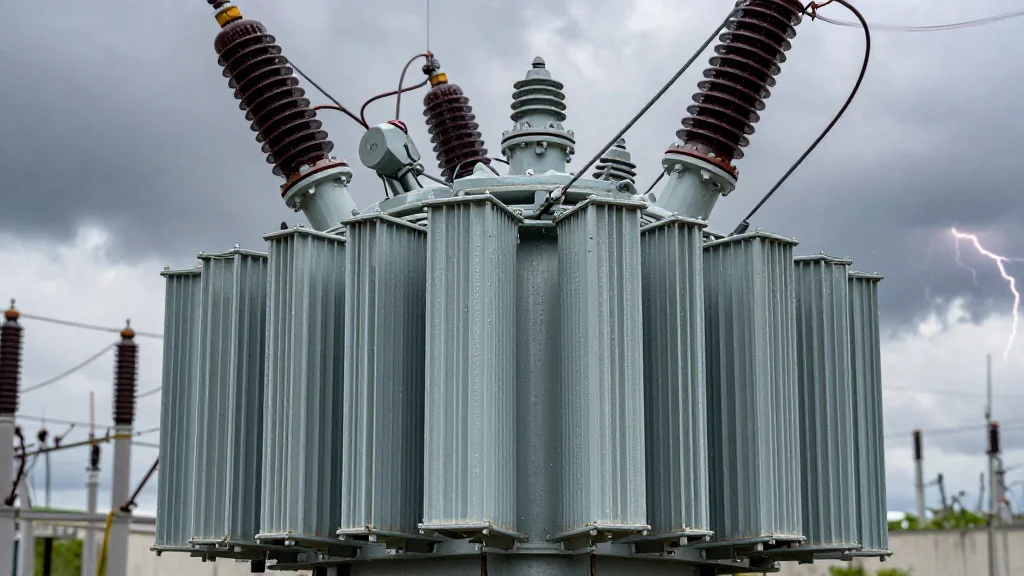
The POWER Interview: Hardening Power Systems to Withstand Natural Disasters
Why It Matters
Grid hardening directly protects reliability and reduces outage costs, a priority for utilities facing climate‑driven disruptions. The blend of federal funding and advanced analytics accelerates industry‑wide resilience, safeguarding economic activity.
Key Takeaways
- •DOE allocates billions to modernize U.S. power grid
- •FM emphasizes "conceptual hardening" using loss data and risk analytics
- •AI and digital twins enable predictive maintenance for turbines and transformers
- •Remote monitoring tools like drones and dissolved‑gas‑in‑oil analysis detect early failures
- •Lightning‑protection standards and stow‑angle research reduce solar and wind farm damage
Pulse Analysis
The United States is confronting a perfect storm of climate‑induced extreme events, cyber‑risk, and surging electricity demand. In response, the Department of Energy has earmarked billions of dollars for grid modernization, signaling a federal commitment to infrastructure resilience. This funding underpins both tangible upgrades—such as reinforced transmission towers and hardened substations—and the less visible, data‑driven strategies that utilities are increasingly adopting to anticipate failures before they occur.
FM Insurance, a specialist in loss prevention, illustrates how "conceptual hardening" complements physical reinforcement. By aggregating proprietary loss data, OEM insights, and real‑world performance metrics, FM builds risk models that flag vulnerable equipment. Artificial intelligence and digital twins translate these models into actionable alerts, from vibration anomalies to rising dissolved‑gas levels in transformer oil. Remote monitoring technologies, including drones and continuous oil‑analysis sensors, extend oversight to remote wind farms and solar arrays, dramatically cutting inspection cycles and preventing costly outages.
Industry analysts see these practices as a blueprint for the next generation of resilient power systems. Lightning‑protection standards, optimized solar‑panel stow angles, and service agreements that guarantee rapid equipment replacement are becoming baseline expectations. As utilities integrate AI‑enabled predictive maintenance and digital twins into their asset‑management portfolios, they not only lower operational expenses but also enhance shareholder confidence. The convergence of federal investment and advanced analytics is poised to transform grid reliability, making it a critical focus for investors, regulators, and policymakers alike.
The POWER Interview: Hardening Power Systems to Withstand Natural Disasters
Comments
Want to join the conversation?
Loading comments...