The Power Problem Behind AI—And a Path to Fix It
Companies Mentioned
Why It Matters
Uncontrolled load spikes threaten grid stability and inflate operating costs, making power‑management solutions essential for AI‑driven enterprises and utilities alike.
Key Takeaways
- •AI training spikes cause hundreds of MW swings, stressing grids
- •Texas SB6 mandates buffering for large AI data centers
- •Battery storage smooths load, enabling utility interconnection
- •Unified SCADA microgrid control automates millisecond response
- •Integrated generation‑management software cuts fuel costs and downtime
Pulse Analysis
The surge of AI model training has turned data centers into power‑intensive factories, with GPU and TPU clusters turning on and off in unison. Unlike traditional industrial loads, these spikes occur within seconds and can reach several hundred megawatts, overwhelming conventional protection schemes and prompting regulators to act. Texas’ Senate Bill 6, for example, obliges large consumers to provide on‑site buffering, while other jurisdictions are tightening interconnection standards to avoid cascading outages.
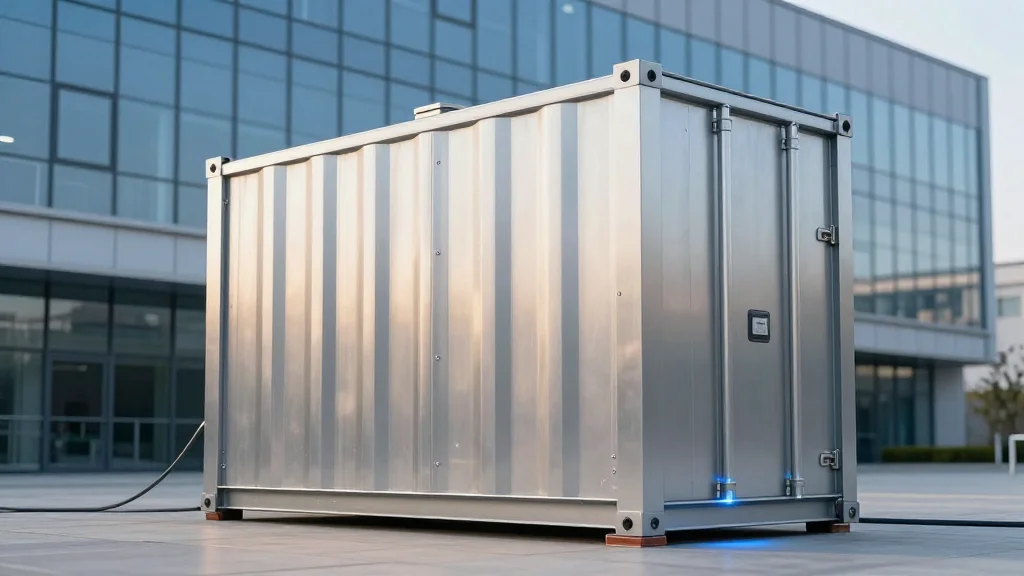
To meet these new requirements, operators are deploying battery energy storage systems (BESS) as a rapid‑response buffer. When a training job ramps up, the BESS discharges to absorb the excess draw, then recharges during idle periods, flattening the net load seen by the grid. Coupled with microgrid designs that integrate gas turbines, solar, wind, and storage, a supervisory control and data acquisition (SCADA) platform can orchestrate millisecond‑level decisions, shedding non‑critical loads or dispatching generation assets without human intervention. This unified automation reduces mechanical stress on turbines, lowers fuel consumption, and improves overall reliability.
From a business perspective, the shift toward integrated power management translates into lower energy costs, fewer unplanned downtimes, and compliance with emerging regulations. Companies that invest early in BESS, advanced SCADA, and generation‑management software position themselves to secure utility connections faster and operate at higher efficiency. As AI workloads continue to expand, the industry will likely see tighter grid codes and broader adoption of microgrid‑as‑a‑service models, making sophisticated power‑control solutions a competitive differentiator.
The Power Problem Behind AI—and a Path to Fix It
Comments
Want to join the conversation?
Loading comments...