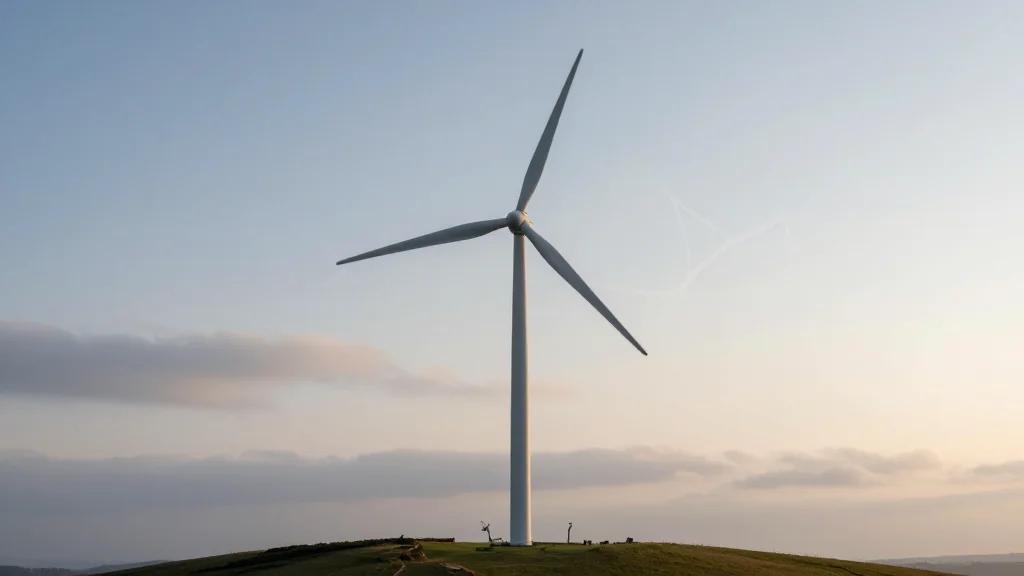
The Trust Challenge: Why Local Protests and Fake News Threaten Wind’s €5 Trillion Expansion
Companies Mentioned
Why It Matters
Misinformation threatens the pace and cost of Europe’s wind rollout, directly affecting energy security and consumer electricity prices.
Key Takeaways
- •Industry faces €5 trillion (≈$5.4 trillion) investment risk from misinformation
- •Norwegian permits delayed up to ten years, halting 50 TWh projects
- •Local trust building outweighs high‑level lobbying for project approval
- •False health and environmental myths inflate costs and stall wind builds
- •Offshore wind may grow, but higher costs cannot replace onshore loss
Pulse Analysis
Europe’s wind sector stands at a crossroads where a €5 trillion (≈$5.4 trillion) expansion plan collides with a growing trust deficit. The CASM Technology report highlighted how coordinated false narratives—ranging from health scares to exaggerated environmental impacts—are not only stalling permitting processes but also inflating project costs by years. In a market where speed and certainty are premium, the erosion of public confidence can translate into higher financing spreads, delayed revenue streams, and ultimately, a slower transition to a low‑carbon grid.
Norway illustrates the tangible fallout of misinformation. Local media missteps, such as the erroneous TV2 story about rain‑damaged turbine blades, have amplified community skepticism, leading authorities to postpone new permits for up to a decade. The resulting abandonment of projects capable of delivering 50 TWh—about one‑third of the nation’s current electricity output—underscores how narrative control can outweigh technical feasibility. Developers who embed themselves in the community, transparently share cost‑benefit data, and address legitimate concerns are beginning to regain footing, proving that on‑the‑ground credibility can outweigh high‑level lobbying.
The strategic implication for the broader European market is clear: without a concerted effort to rebuild local trust, on‑shore wind growth will stall, pushing investors toward offshore alternatives that carry higher capital expenditures and longer lead times. Policymakers must therefore prioritize clear, science‑based communication frameworks and incentivize developers to maintain a permanent local presence. By aligning community benefits—such as lower electricity bills and job creation—with transparent project narratives, the industry can safeguard its massive investment pipeline and keep the continent on track for its renewable energy targets.
The trust challenge: Why local protests and fake news threaten wind’s €5 trillion expansion
Comments
Want to join the conversation?
Loading comments...