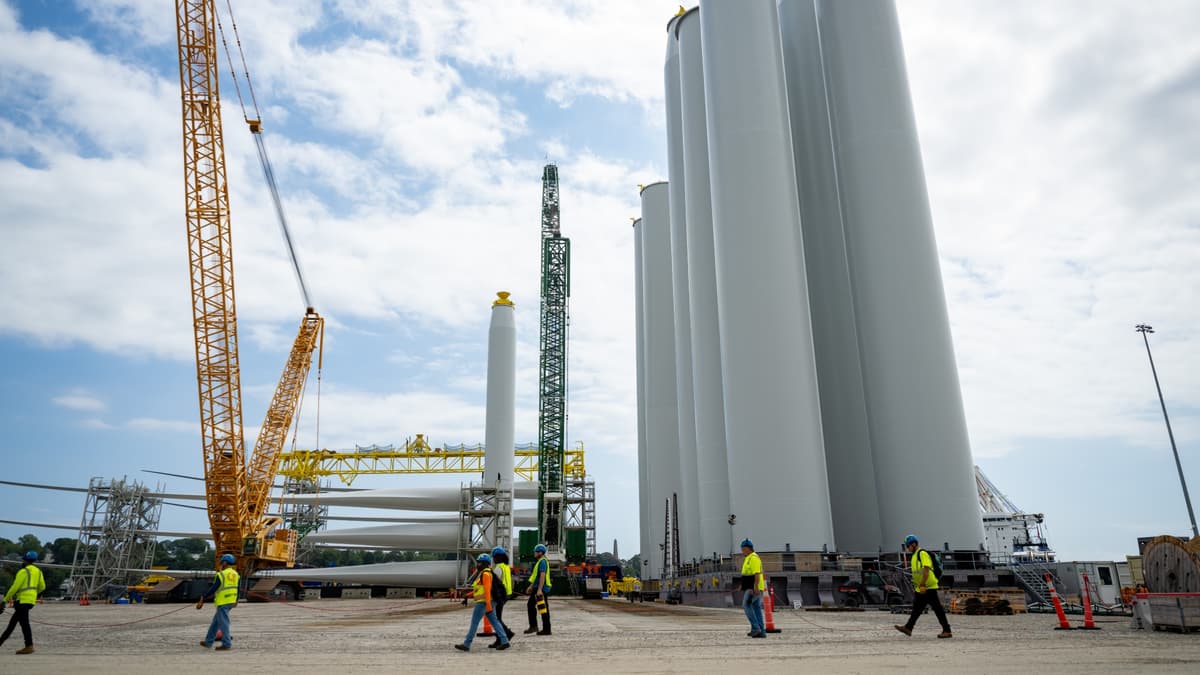
There’s Hope for the Offshore Wind Industry — Yes, Really
Why It Matters
The move removes a major regulatory roadblock, enabling near‑term capacity additions and signaling broader policy support for offshore wind, which could accelerate the United States’ clean‑energy transition.
Key Takeaways
- •Interior Dept let appeal deadline lapse, keeping five offshore wind projects alive
- •Revolution Wind and Coastal Virginia projects already delivering electricity
- •Permitting reform bill could speed future offshore wind approvals
- •Projects will power over 2 million homes when completed
- •Industry sees hope amid rising energy prices and supply concerns
Pulse Analysis
The Interior Department’s decision not to appeal court injunctions marks a rare regulatory retreat that instantly revives five flagship offshore wind projects along the Atlantic seaboard. By allowing construction to continue, the projects—spanning Massachusetts, New York, and Virginia—are poised to add more than 2 million homes’ worth of clean electricity, a tangible boost for a sector that has struggled under policy uncertainty. Early output from Revolution Wind and the Coastal Virginia Offshore Wind project already demonstrates the operational viability of large‑scale offshore turbines, reinforcing investor confidence and encouraging supply‑chain activity in shipyards and component manufacturers.
Beyond the immediate projects, the episode has reignited bipartisan momentum for a permitting reform bill that would overhaul the National Environmental Policy Act process for energy infrastructure. Streamlined reviews and stronger protections against ad‑hoc federal interventions could shave years off the development timeline, unlocking gigawatts of potential capacity that have been stalled by historic‑preservation and wildlife assessments. Analysts estimate that up to 11 GW—enough to power nearly five million homes—could be released from permitting bottlenecks if reforms pass.
The broader market context amplifies the significance of these developments. Rising gasoline prices and geopolitical tensions have heightened concerns about energy security, making clean‑energy alternatives more attractive to policymakers and consumers alike. A predictable permitting pathway not only accelerates offshore wind deployment but also stabilizes jobs in manufacturing, installation, and operations, delivering economic benefits to coastal regions. As the midterm election cycle approaches, the industry’s ability to translate regulatory relief into tangible projects will be a key barometer of the United States’ commitment to a low‑carbon future.
There’s hope for the offshore wind industry — yes, really
Comments
Want to join the conversation?
Loading comments...