Thermal Energy Storage Tech Analysis: Rondo, Antora, Malta Inc, MGA, 1414, EnergyNest, Polar Night and Brenmiller
Companies Mentioned
Why It Matters
These TES solutions unlock continuous, low‑carbon process heat and enable renewable energy to meet industrial demand, accelerating decarbonization across energy‑intensive sectors and enhancing grid flexibility.
Key Takeaways
- •Rondo’s heat battery stores 1500 °C heat with <1 % daily loss.
- •Antora’s 50 MW/5 GWh carbon‑block system targets POET bioprocess plant.
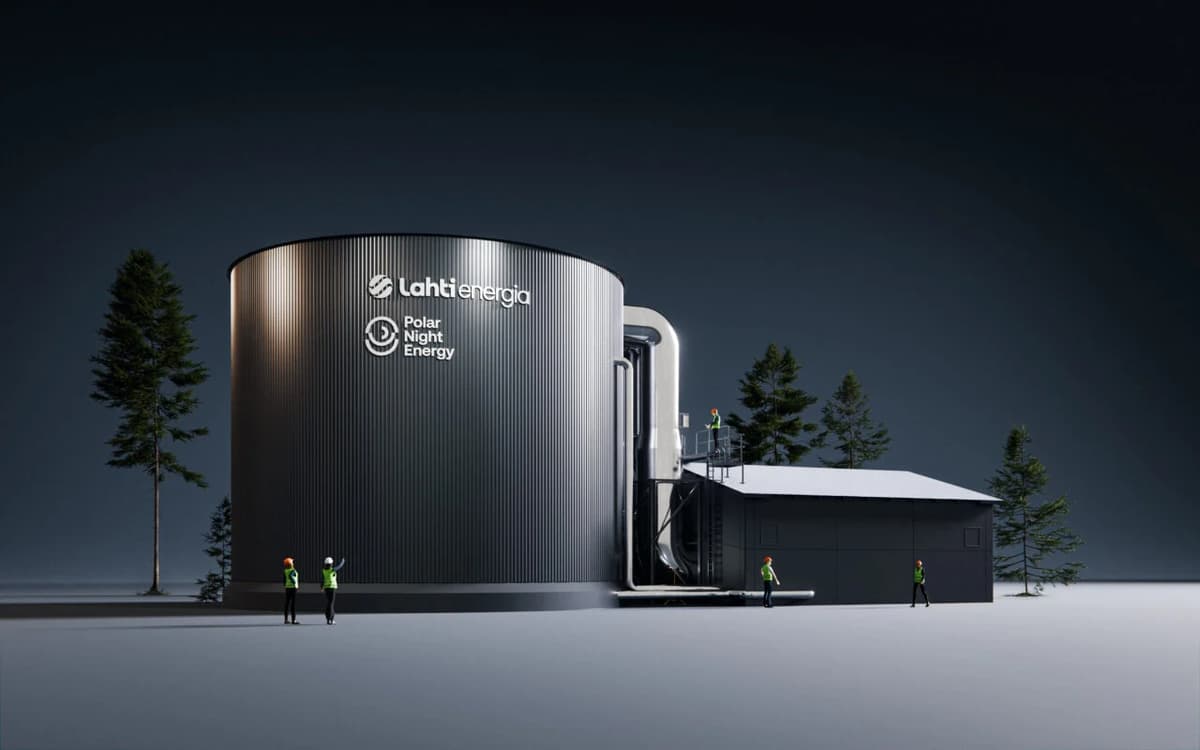
- •Malta’s sand‑based battery retains heat for months, supporting district heating.
- •Brenmiller’s bGen rock storage delivers 97 % RTE up to 500 MWh.
- •MGA’s alloy blocks offer up to 6 GWh, 93 % efficiency for 48‑hour discharge.
Pulse Analysis
Thermal‑energy‑storage is emerging as a critical bridge between intermittent renewables and the continuous heat demand of heavy industry. By converting cheap, off‑peak electricity into high‑temperature heat, systems like Rondo’s refractory‑brick battery or Antora’s carbon‑block cores provide on‑site steam and even power generation without burning fossil fuels. Their modular designs allow retrofits across aluminum smelting, cement kilns, steel furnaces and direct‑air‑capture plants, delivering round‑trip efficiencies that rival traditional storage while extending asset lifespans beyond four decades.
The market now hosts a diverse palette of storage media, each optimized for temperature range, cost and scalability. Sand‑based batteries from Polar Night excel at seasonal heat retention for district heating, whereas rock‑based bGen units from Brenmiller achieve 97 % efficiency at mid‑temperature ranges. MGA’s miscibility‑gap alloy blocks and EnergyNest’s concrete‑based HEATCRETE offer rapid charge‑discharge cycles for grid‑service applications, while 1414 Degrees pushes silicon phase‑change technology toward 900 °C outputs. These technologies differ in capital intensity and thermal conductivity, but collectively they expand the feasible envelope for multi‑day, multi‑gigawatt‑hour storage.
Commercial deployments are turning proof‑of‑concept into revenue streams. Installations at Holmes Western, POET’s South Dakota facility and European cement plants illustrate how TES can shave carbon emissions, lower electricity costs and provide ancillary grid services such as frequency regulation. As policy incentives tighten and carbon pricing rises, investors are likely to fund larger‑scale projects, driving down costs through economies of scale. The next frontier will be integrating TES with renewable generation and hydrogen production, creating truly circular, low‑carbon industrial ecosystems.
Thermal energy storage tech analysis: Rondo, Antora, Malta Inc, MGA, 1414, EnergyNest, Polar Night and Brenmiller
Comments
Want to join the conversation?
Loading comments...