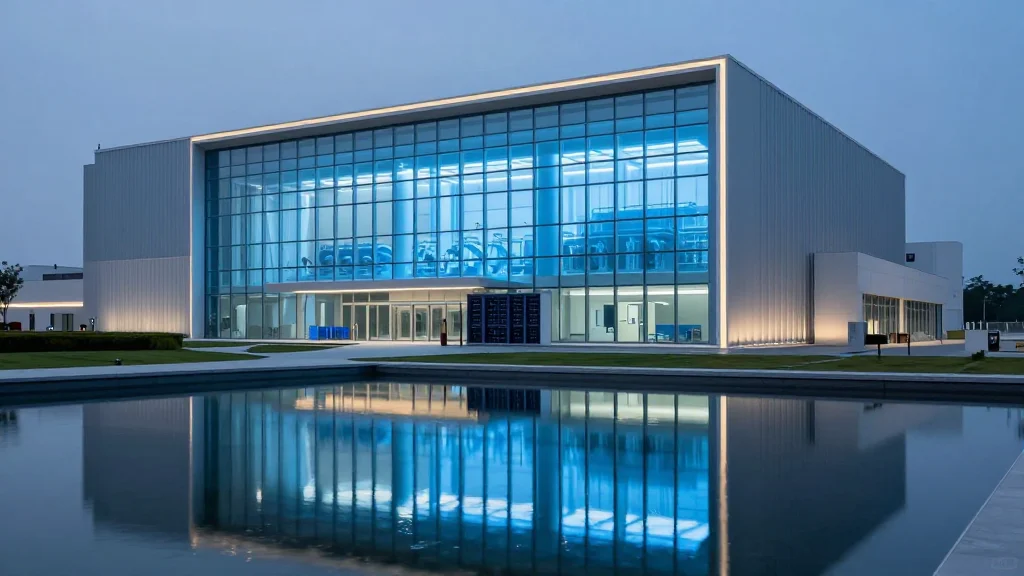
Three Mile Island Reopens as Crane Clean Energy Center to Power AI

Companies Mentioned
Why It Matters
The Three Mile Island restart demonstrates how AI‑driven electricity demand is reshaping the clean‑energy portfolio, positioning nuclear as a critical partner for carbon‑free baseload power. By locking in a 20‑year contract with a major tech firm, the project reduces market uncertainty for nuclear operators and signals to investors that legacy reactors can be economically viable in a low‑carbon future. Beyond the immediate economic boost to Pennsylvania, the deal could accelerate policy reforms that streamline nuclear licensing and financing, encouraging other utilities to revisit decommissioned assets. If successful, the model may become a template for aligning AI compute needs with decarbonization goals, influencing both corporate sustainability strategies and national energy planning.
Key Takeaways
- •Constellation Energy will restart Three Mile Island Unit 1 as the Crane Clean Energy Center, delivering 835 MW of carbon‑free power.
- •A 20‑year power purchase agreement with Microsoft secures the plant’s entire output for AI data‑center use.
- •The project is funded by a $1 billion DOE loan and a total investment of $1.6 billion.
- •Projected economic impact includes 3,400 jobs, $3 billion in tax revenue, and $16 billion added to Pennsylvania’s GDP.
- •The restart could trigger renewed investor interest in nuclear, uranium, and advanced‑reactor sectors.
Pulse Analysis
The TMI revival is a watershed moment for the intersection of high‑performance computing and clean energy. Historically, nuclear has struggled to compete with cheaper natural gas and the rapid cost declines of wind and solar. However, AI workloads demand uninterrupted, high‑density power that renewables alone cannot guarantee without massive storage investments. By securing a long‑term, high‑margin contract with Microsoft, Constellation effectively monetizes the reliability premium of nuclear, turning a perceived liability into a strategic asset.
From a market perspective, the deal could catalyze a shift in capital allocation toward retrofitting existing reactors rather than building new ones. The $1 billion federal loan reduces the hurdle rate for investors, making similar projects more attractive. Moreover, the visibility of a tech giant backing nuclear may alleviate some of the political resistance that has hampered nuclear expansion for decades. If the plant meets its 2027 commissioning target, it will provide a real‑world case study for policymakers evaluating the role of legacy nuclear in meeting the United States’ net‑zero commitments.
Nevertheless, the success of this model hinges on managing safety concerns and public perception. The legacy of the 1979 Unit 2 accident still looms large, and any misstep could reignite opposition. Transparent engagement with regulators and communities will be essential. If Constellation navigates these challenges, the Crane Clean Energy Center could become a blueprint for leveraging dormant nuclear capacity to power the next wave of AI innovation, reshaping the climate‑tech landscape for years to come.
Three Mile Island Reopens as Crane Clean Energy Center to Power AI
Comments
Want to join the conversation?
Loading comments...