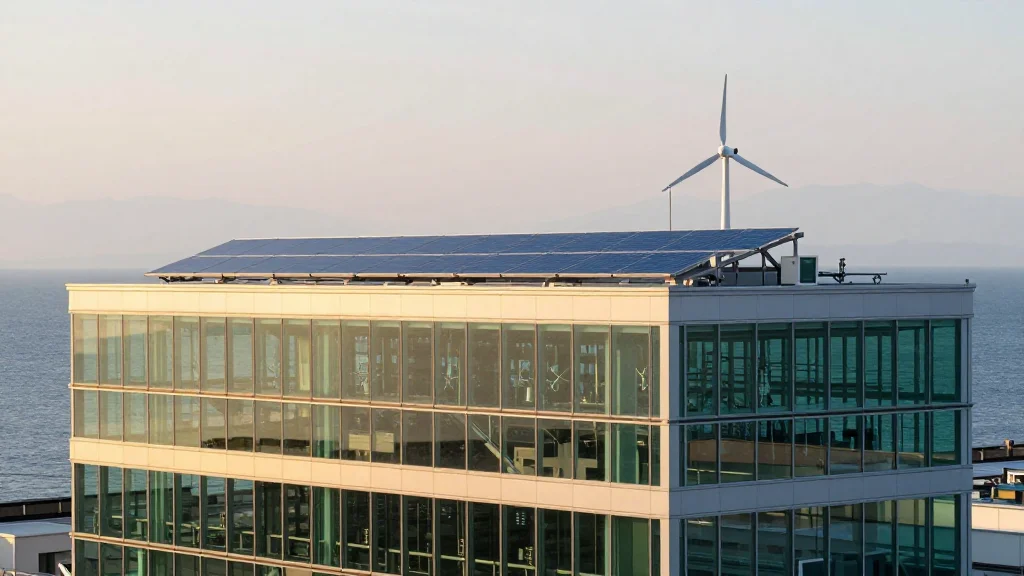
Tokyu Fudosan Launches Japan’s First 100% Renewable Data Center in Hokkaido

Why It Matters
The Ishikari data centre illustrates how renewable energy can be directly integrated into the backbone of the digital economy, addressing two of Japan’s most pressing challenges: decarbonizing a power‑hungry sector and expanding digital infrastructure without overloading the grid. By proving that a high‑density, power‑intensive facility can run entirely on locally sourced clean power, Tokyu Fudosan sets a precedent for other real‑estate and technology firms, potentially reshaping investment patterns toward co‑located generation‑consumption projects. Furthermore, the collaboration with a municipal government highlights a replicable public‑private model for regional decarbonization. As cities across Japan vie for “Decarbonization Pioneer” status, the Ishikari example may become a template for aligning local economic development with national climate goals, accelerating the rollout of renewable‑powered data hubs nationwide.
Key Takeaways
- •Tokyu Fudosan completed Ishikari Renewable Energy Data Center No. 1 on March 27, 2026 – Japan’s first 100 % renewable‑powered data centre.
- •Partial operations begin in August 2026; full rollout expected by early 2027.
- •ReENE portfolio now includes 162 projects with 2,122 MW capacity as of Dec 2025.
- •Project uses a "watt‑bit linkage" model to co‑locate generation and consumption, reducing transmission losses.
- •Ishikari city is a Ministry of the Environment‑designated Decarbonization Pioneer Region.
Pulse Analysis
Tokyu Fudosan’s move signals a strategic inflection point for Japan’s data‑centre market, which has traditionally relied on fossil‑fuel‑heavy grid power. By internalising the energy supply chain, the firm not only mitigates exposure to volatile electricity prices but also creates a green branding advantage that could attract multinational cloud providers under increasing ESG pressure. Historically, Japan’s data‑centre expansion has been constrained by limited grid capacity and high carbon intensity; the watt‑bit linkage model directly addresses these bottlenecks.
From a competitive standpoint, Tokyu Fudosan is positioning itself against global players like Equinix and Digital Realty, which are beginning to explore renewable‑energy contracts but have yet to embed generation assets on‑site at scale. The ReENE brand, with its diversified portfolio, offers a ready supply of renewable capacity that can be matched to new digital projects, potentially lowering the cost of green power compared with third‑party PPAs. This vertical integration could force incumbents to accelerate similar investments or risk losing environmentally conscious tenants.
Looking forward, the success of Ishikari will likely influence policy. If the model proves cost‑effective, the Japanese government may incentivise co‑location through tax credits or streamlined permitting, mirroring European approaches in Scandinavia. For investors, the project underscores the growing convergence of climate‑tech and digital infrastructure, suggesting that future capital allocations will favor assets that deliver both data capacity and carbon‑reduction outcomes. The next wave of data‑centre development in Japan will probably be judged not just on latency and uptime, but on the proportion of power sourced from on‑site renewables.
Tokyu Fudosan Launches Japan’s First 100% Renewable Data Center in Hokkaido
Comments
Want to join the conversation?
Loading comments...