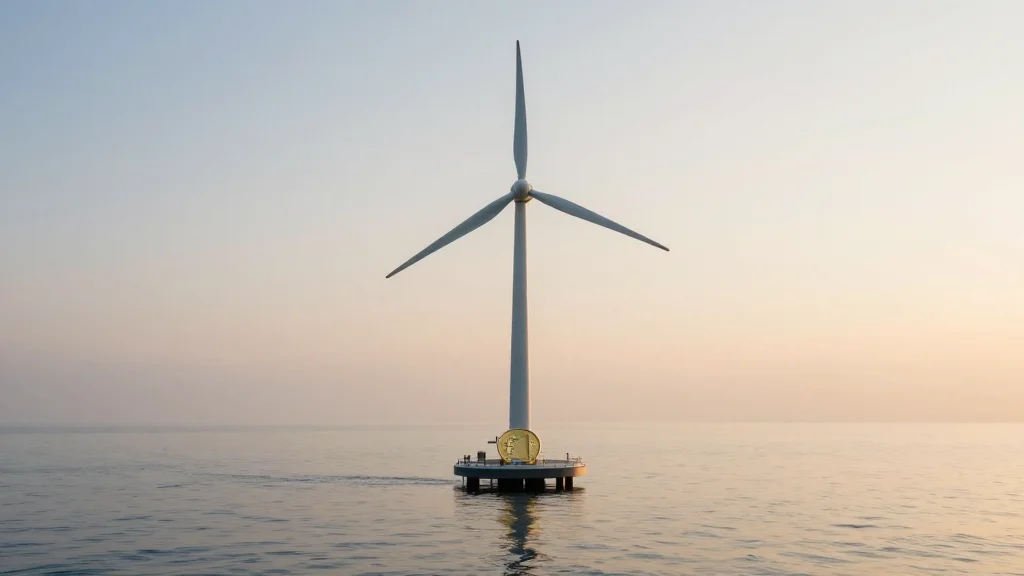
Trailblazing UK Floating Wind Project Sold for £1 After Contract Cancelled
Companies Mentioned
Why It Matters
The transaction underscores the financial volatility of nascent floating wind projects and signals a shift toward engineering‑focused business models as developers seek liquidity, while also exposing policy risk when government support mechanisms are withdrawn.
Key Takeaways
- •TwinHub sold for £1, transferring all assets and liabilities.
- •First UK floating wind CfD cancelled after inflation‑driven cost surge.
- •Hexicon recorded €10.8 m ($11.6 m) impairment in Dec 2025.
- •Chinese turbine maker Mingyang barred from UK waters, affecting supply chain.
- •Sale may enable project continuation if new CfD awarded at better price.
Pulse Analysis
The TwinHub project represented a milestone for the United Kingdom’s nascent floating offshore wind sector. When Hexicon secured a 15‑year Contract for Difference in 2022, the 32‑megawatt pilot in the Celtic Sea became the first floating wind asset to lock in a strike price of £87.30 per megawatt hour (about $115.69/MWh). That guarantee was intended to de‑risk the technology and attract capital at a time when onshore wind and solar dominated the renewable pipeline. However, the rapid escalation of inflation and supply‑chain bottlenecks after 2023 drove turbine, foundation and installation costs well beyond the original budget, eroding the project's economic case.
Facing a €10.8 million ($11.6 million) impairment in December 2025, Hexicon elected to divest the venture rather than shoulder ongoing liabilities. The £1 nominal sale transferred full ownership, engineering data, and the TwinWind foundation design to an unnamed global offshore‑engineering firm. By exiting the developer role, Hexicon can preserve liquidity and refocus on engineering services and technology licensing, a pattern emerging among smaller players struggling with capital‑intensive offshore projects. The transaction also removes the immediate financial burden of securing a new CfD, which the government had terminated in March 2026.
The TwinHub episode highlights two systemic pressures on the floating wind market. First, policy uncertainty—illustrated by the abrupt cancellation of the CfD—can quickly overturn a project's viability, prompting investors to demand more robust contractual safeguards. Second, geopolitical factors, such as the UK’s ban on Chinese turbine supplier Mingyang, have narrowed the pool of eligible equipment suppliers and contributed to cost volatility. Analysts expect that future allocation rounds will offer higher strike prices to reflect these realities, but developers may increasingly adopt hybrid models that combine asset ownership with engineering partnerships to mitigate risk.
Trailblazing UK floating wind project sold for £1 after contract cancelled
Comments
Want to join the conversation?
Loading comments...