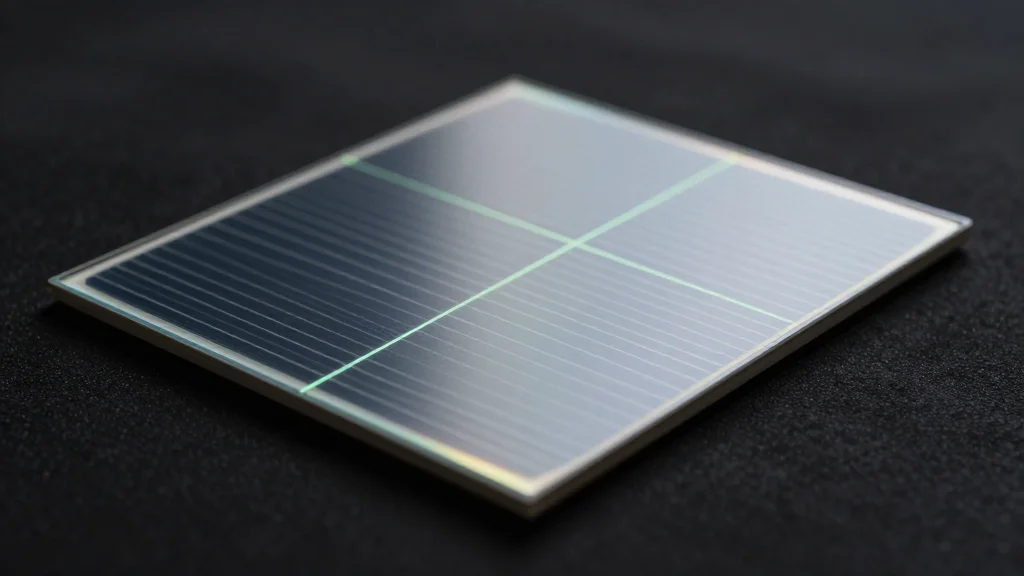
Trina Solar Claims World’s Highest Efficiency for Silicon Solar Cells with 28.0%-efficient Device
Companies Mentioned
Why It Matters
The breakthrough pushes single‑junction silicon efficiency beyond 28%, tightening the gap to multi‑junction rivals and promising higher energy yields for premium rooftop and utility projects. Its compatibility with current TOPCon factories could accelerate market adoption without major capital outlays.
Key Takeaways
- •Trina Solar's THBC cell reaches 28.0% efficiency, world record
- •Hybrid design merges TOPCon, HJT, and back‑contact technologies
- •Large‑area 210 R cell surpasses 28% threshold for first time
- •Compatible with existing TOPCon lines, easing scale‑up and cost
- •2.38 m × 1.13 m module projected to exceed 700 W output
Pulse Analysis
The solar industry has been in a relentless race to lift silicon cell efficiency, a metric that directly translates into lower levelized cost of electricity. Trina Solar's 28.0% certified result marks a new benchmark for large‑area crystalline silicon, surpassing the previous 27.81% record set by Longi. By achieving this milestone on a 210R cell—a size suitable for commercial modules—Trina demonstrates that the efficiency ceiling for single‑junction silicon is still moving upward, challenging the dominance of multi‑junction and perovskite concepts.
Technically, the THBC architecture is a hybrid that fuses three proven concepts: TOPCon's tunnel‑oxide passivated contacts, heterojunction (HJT) surface passivation, and a full back‑contact electrode layout. This combination eliminates front‑side metal shading, maximizes photon absorption, and retains the low‑temperature processing advantages of TOPCon. Crucially, the design is compatible with 110‑130 µm thin wafers and can be integrated into existing TOPCon lines, meaning manufacturers can upgrade efficiency without building entirely new factories. The result is a cost‑effective pathway to high‑performance modules, potentially reducing the incremental capital expense that often stalls new technology rollouts.
From a market perspective, the ability to produce 700‑plus‑watt modules on a standard 2.38 m × 1.13 m format opens new opportunities in both distributed generation and utility‑scale installations where space and weight constraints matter. As premium‑segment developers seek higher energy yields per square meter, Trina's THBC cells could become a differentiator, especially in regions with high solar irradiance. The announcement also intensifies competition with Longi and other Chinese manufacturers, likely spurring further R&D investment across the sector. In the near term, investors and project developers should watch Trina's rollout timeline, as early commercial adoption could reshape the efficiency landscape and accelerate the transition to greener, more cost‑effective solar power.
Trina Solar claims world’s highest efficiency for silicon solar cells with 28.0%-efficient device
Comments
Want to join the conversation?
Loading comments...