Why It Matters
Designating these zones accelerates Turkey’s offshore wind pipeline, helping meet its 2030 renewable‑energy targets and opening a sizable market for global turbine suppliers. The announcement also positions Turkey as a competitive player in the Eastern Mediterranean clean‑energy race.
Key Takeaways
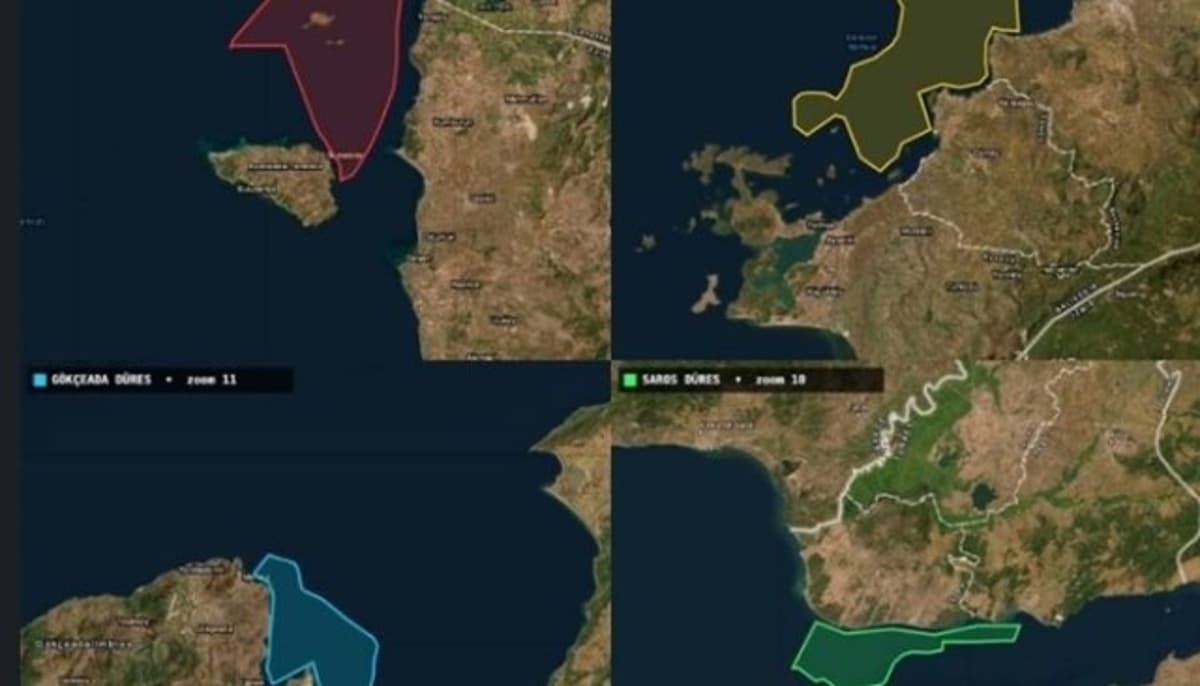
- •Four Aegean offshore wind sites total ~500 km²
- •Candidate areas include Gökçeada, Bozcaada, Saros Gulf, Edremit
- •Ministry launched detailed studies for YEKA designation
- •Potential to attract international turbine manufacturers
- •Supports Turkey's 2030 renewable energy goals
Pulse Analysis
Turkey’s energy strategy has pivoted sharply toward renewables, with a 2030 goal of sourcing roughly 30% of electricity from clean sources. The Aegean Sea offers some of the strongest and most consistent wind resources in the region, making it a logical focus for offshore development. By earmarking 500 km² of high‑potential waters, the government is laying the groundwork for projects that could collectively generate several gigawatts, reducing reliance on imported fossil fuels and curbing emissions.
The YEKA (Renewable Energy Resource Areas) framework, previously successful for onshore wind and solar, now extends to offshore sites. Detailed feasibility studies will assess seabed conditions, grid connection points, and environmental impacts, providing the data needed for transparent tender processes. Early indications suggest capacity bids could attract major European and Asian turbine manufacturers, especially after recent Turkish contracts awarded to firms like Enercon. Competitive pricing and long‑term power purchase agreements are expected to make the projects financially attractive for both domestic and foreign investors.
Regionally, the Aegean offshore wind push places Turkey alongside Greece, Cyprus and Italy, all of which are scaling up their marine energy portfolios. Successful project execution could spur a regional supply chain, from port infrastructure to maintenance services, and foster cross‑border grid interconnections. However, challenges remain, including securing financing, navigating maritime jurisdictional issues, and upgrading the national grid to accommodate variable offshore output. Overcoming these hurdles will be critical for Turkey to translate its ambitious wind maps into operational capacity and to cement its role in the Eastern Mediterranean’s clean‑energy transition.
Türkiye declares four offshore wind areas
Comments
Want to join the conversation?
Loading comments...