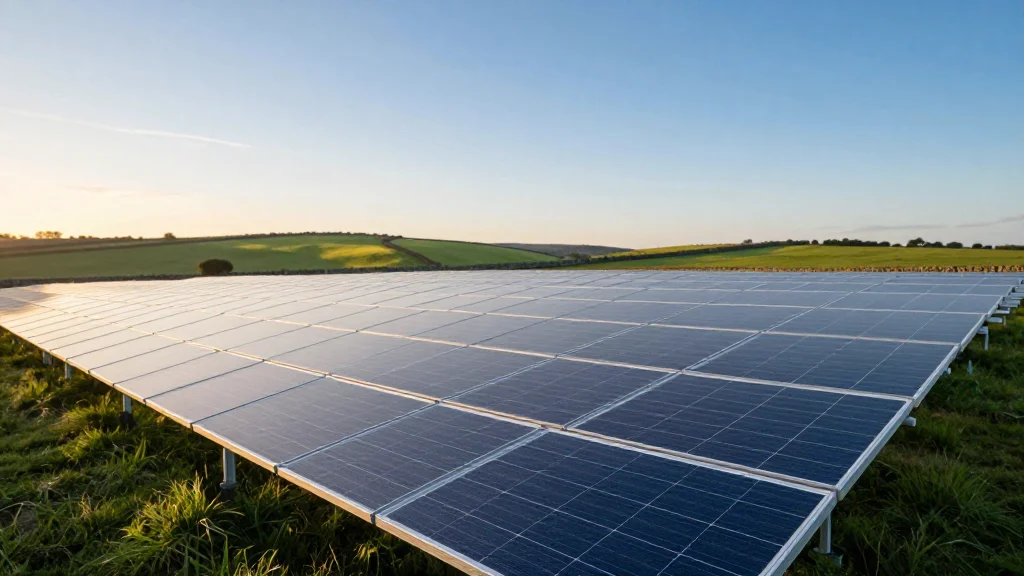
UK Sets New Solar Generation Records and Greenlights Its Largest Solar Farm

Why It Matters
The back‑to‑back solar generation records demonstrate that the UK can reliably harvest large volumes of renewable electricity, reducing reliance on imported fossil fuels and buffering the economy against geopolitical shocks. Approving the Springwell farm not only expands capacity but also validates the Labour government's aggressive clean‑energy agenda, which aims to deliver a virtually carbon‑free grid by 2030. By pushing gas‑fired generation to historic lows and preparing for gas‑free operating windows, the UK is testing the resilience of its electricity market under high renewable penetration. Success could inspire similar policy frameworks across Europe, accelerating the continent’s collective decarbonisation efforts.
Key Takeaways
- •Britain generated 14.1 GW of solar power on Monday, rising to 14.4 GW on Tuesday.
- •The Springwell solar farm, approved at 180 MW, will power about 180,000 homes at peak output.
- •The approval marks the 25th large‑scale clean‑energy project since Labour took power in 2024.
- •Gas‑fired generation fell to 2.3 % of the grid, with operators planning short gas‑free periods this summer.
- •New building standards will require solar panels on all new homes from 2028.
Pulse Analysis
The UK’s twin solar peaks are more than a statistical curiosity; they reveal a system that can absorb rapid influxes of intermittent generation without destabilising the grid. Historically, the British grid has been dominated by coal and gas, with renewables playing a modest role. The recent wind surge that pushed fossil‑fuel generation to a two‑year low, combined with the solar highs, suggests that the infrastructure upgrades and market reforms introduced since 2024 are beginning to pay off.
From an investment perspective, the Springwell approval sends a clear signal that large‑scale solar remains bankable in a market traditionally skewed toward offshore wind. The project's 180 MW capacity may appear modest compared with wind farms, but its location in Lincolnshire—a region already hosting multiple renewable sites—offers synergies in transmission and land use. Moreover, the government's commitment to mandatory solar on new builds from 2028 creates a downstream demand pipeline that could lower the levelized cost of electricity for future projects.
Looking forward, the key challenge will be integrating this growing solar output with storage and demand‑response mechanisms. The UK’s ambition to run the grid without gas for short periods this summer hinges on flexible resources that can balance supply and demand in real time. If the country can demonstrate reliable, gas‑free operation, it will set a benchmark for other economies aiming for deep decarbonisation, reinforcing the UK’s position as a leader in the global ClimateTech arena.
UK Sets New Solar Generation Records and Greenlights Its Largest Solar Farm
Comments
Want to join the conversation?
Loading comments...