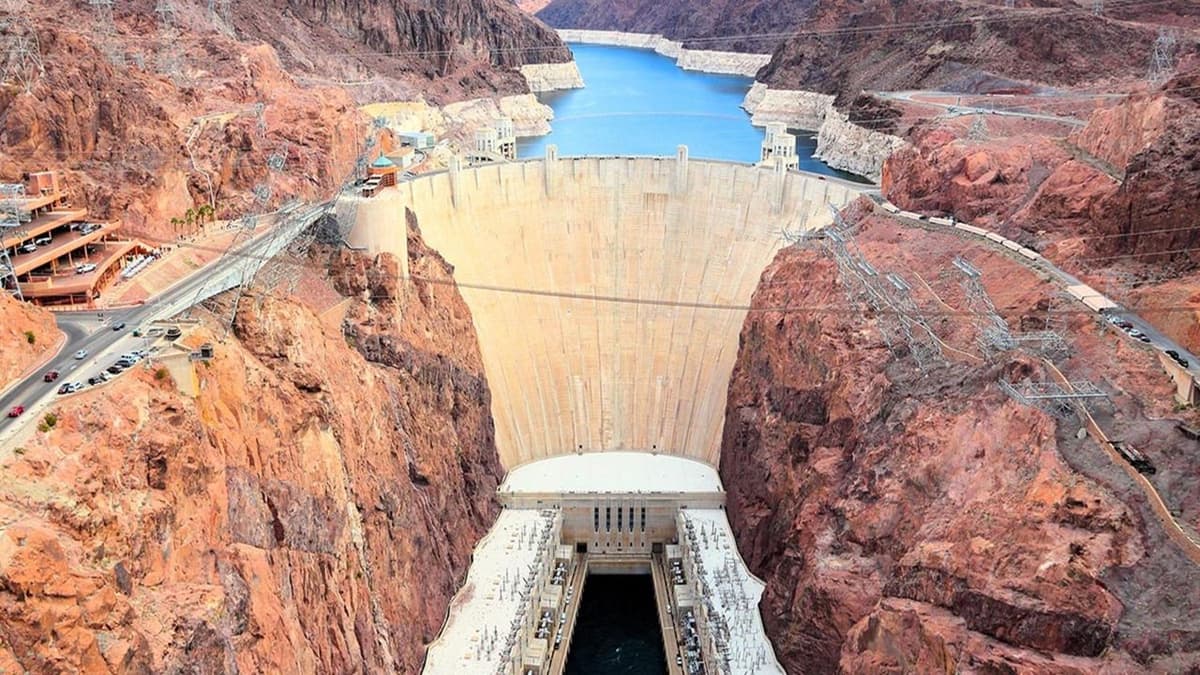
'Unprecedented Drought Conditions': More than 500 Data Centers Across Nevada, California, and Arizona Could Feel the Pinch as the Iconic Hoover Dam Potentially Loses 40% of Its Power Output because of Poor Rainfall and Abnormally Low Snowpack Numbers

Why It Matters
A sudden loss of hydroelectric capacity raises operating costs for energy‑intensive data centers and could accelerate a shift toward fossil‑fuel or renewable backup, affecting regional competitiveness and consumer bills.
Key Takeaways
- •Hoover Dam may lose up to 40% generation capacity this fall
- •830 MW reduction removes about 1.32 TWh annual energy from grid
- •Over 500 data centers in NV, CA, AZ face higher power costs
- •Emergency plan cuts Lake Powell releases to minimum legal level
- •Utilities may turn to natural‑gas or renewables to replace lost hydro
Pulse Analysis
The Colorado River basin is entering an unprecedented drought, with Lake Powell’s storage plummeting to roughly a third of its intended capacity. This shortfall forces the Bureau of Reclamation to curtail water releases that feed the Hoover Dam, a cornerstone of the western power grid that supplies over 2 GW of electricity. By limiting outflows to the minimum legally allowed level, officials hope to preserve Glen Canyon Dam’s output, but the trade‑off is a steep reduction in Hoover’s generation potential.
For the tech sector, the ripple effects are immediate. The western United States hosts more than 500 data centers, many of which rely on the dam’s inexpensive, reliable hydro power to meet peak‑load demands. A 40% drop in output translates into higher wholesale electricity prices, prompting operators to secure costlier natural‑gas contracts or accelerate renewable procurement. Those added expenses are likely to be passed on to cloud‑service customers and end‑users, tightening profit margins in an industry already sensitive to energy costs.
Looking ahead, the drought underscores the need for diversified energy strategies in the Southwest. Policymakers may incentivize battery storage, demand‑response programs, and long‑term renewable investments to buffer against hydropower volatility. Meanwhile, utilities must balance short‑term reliability with climate‑resilient planning, ensuring that critical digital infrastructure remains operational even as water‑dependent generation wanes. The Hoover Dam’s predicament serves as a cautionary tale of how climate stressors can reshape the economics of data‑intensive economies.
'Unprecedented drought conditions': More than 500 data centers across Nevada, California, and Arizona could feel the pinch as the iconic Hoover Dam potentially loses 40% of its power output because of poor rainfall and abnormally low snowpack numbers
Comments
Want to join the conversation?
Loading comments...