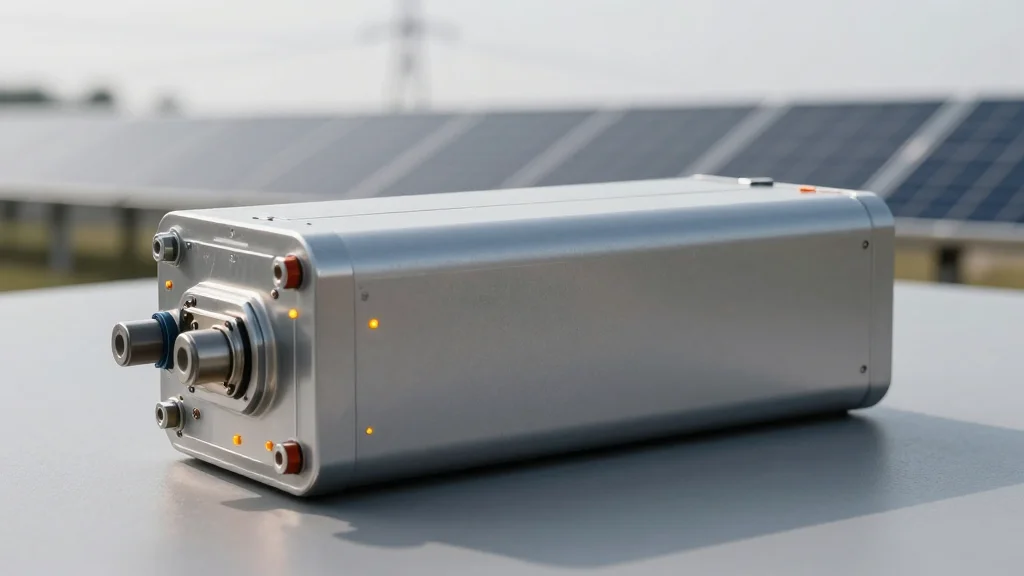
U.S. Adds Record 9.7 GWh Energy‑Storage Capacity in Q1 2026

Companies Mentioned

Why It Matters
The record‑setting quarter demonstrates that large‑scale battery storage is becoming a cornerstone of the U.S. grid, enabling higher penetrations of solar and wind while providing firm capacity for energy‑intensive data centers. By decoupling electricity costs from fuel price volatility, storage supports both consumer affordability and national energy security. However, the sector’s reliance on timely permitting underscores a policy‑risk nexus that could shape the United States’ ability to compete globally in AI‑driven compute and renewable integration. If permitting reforms lag, the United States may miss an opportunity to lock in domestic manufacturing jobs and to reduce dependence on imported fossil fuels. Conversely, a supportive regulatory environment could accelerate the transition to a resilient, low‑carbon grid, reinforcing the country’s climate commitments and economic competitiveness.
Key Takeaways
- •U.S. installed 9.7 GWh of new storage in Q1 2026, a 32% YoY increase.
- •Utility‑scale storage accounted for 7.8 GWh; C&I added 648 MWh; residential 515 MWh.
- •Data‑center giants Google and Meta secured tens‑of‑thousands of MWh of storage contracts.
- •71% of new utility‑scale capacity was built in states won by President Trump.
- •467 solar‑and‑storage projects face permitting delays, risking higher consumer bills.
Pulse Analysis
The Q1 surge reflects a maturing market where battery storage is no longer a niche backup solution but a core grid asset. Historically, storage deployments lagged behind solar due to cost and regulatory uncertainty; today, economies of scale and falling lithium‑ion prices have narrowed that gap, allowing storage to compete on a cost‑per‑MWh basis with traditional peaker plants. The data‑center demand signal is especially potent because these facilities require reliable, low‑cost power to sustain AI workloads, and they are willing to lock in long‑term contracts that de‑risk project financing.
Policy remains the wild card. The 467 pending permits illustrate how federal and state permitting regimes can throttle growth despite market demand. If Washington eases permitting timelines and offers clear incentives, the sector could see a compounding effect: more storage attracts more renewable projects, which in turn drives further storage needs. Conversely, continued bottlenecks could push developers toward jurisdictions with more predictable regulatory environments, potentially shifting investment away from the United States.
From a competitive standpoint, the United States is at a crossroads. China’s aggressive push in battery manufacturing and AI compute infrastructure gives it a strategic advantage if the U.S. fails to scale storage quickly enough. By leveraging domestic supply chains and aligning policy with industry needs, the U.S. can lock in a leadership position in both clean energy and the emerging AI economy, turning the current record quarter into a springboard for sustained growth.
U.S. Adds Record 9.7 GWh Energy‑Storage Capacity in Q1 2026
Comments
Want to join the conversation?
Loading comments...