U.S. Grid-Scale Battery Production to Support 100% of Renewable Generating Capacity
Why It Matters
Meeting storage needs domestically removes a major bottleneck for renewable integration, accelerating the shift toward a carbon‑free grid. The surge also reduces reliance on imported battery cells, bolstering U.S. energy security and manufacturing jobs.
Key Takeaways
- •U.S. grid‑scale battery capacity reached ~70 GWh in 2025.
- •Batteries will supply about 28% of new U.S. power‑plant capacity.
- •LG Energy Solution’s Michigan plant now produces 25 GWh annually.
- •Projected capacity could hit 145 GWh per year by end‑2026.
- •Domestic lithium and carbon shortages remain key supply challenges.
Pulse Analysis
Renewable generation in the United States has surged, but without adequate storage, intermittency remains a costly obstacle. Grid‑scale batteries act as a virtual reservoir, capturing excess wind and solar power for dispatch when the sun sets or the wind dies down. By providing firm capacity, storage improves the economics of clean energy projects and enables utilities to meet reliability standards without resorting to fossil‑fuel peaker plants.
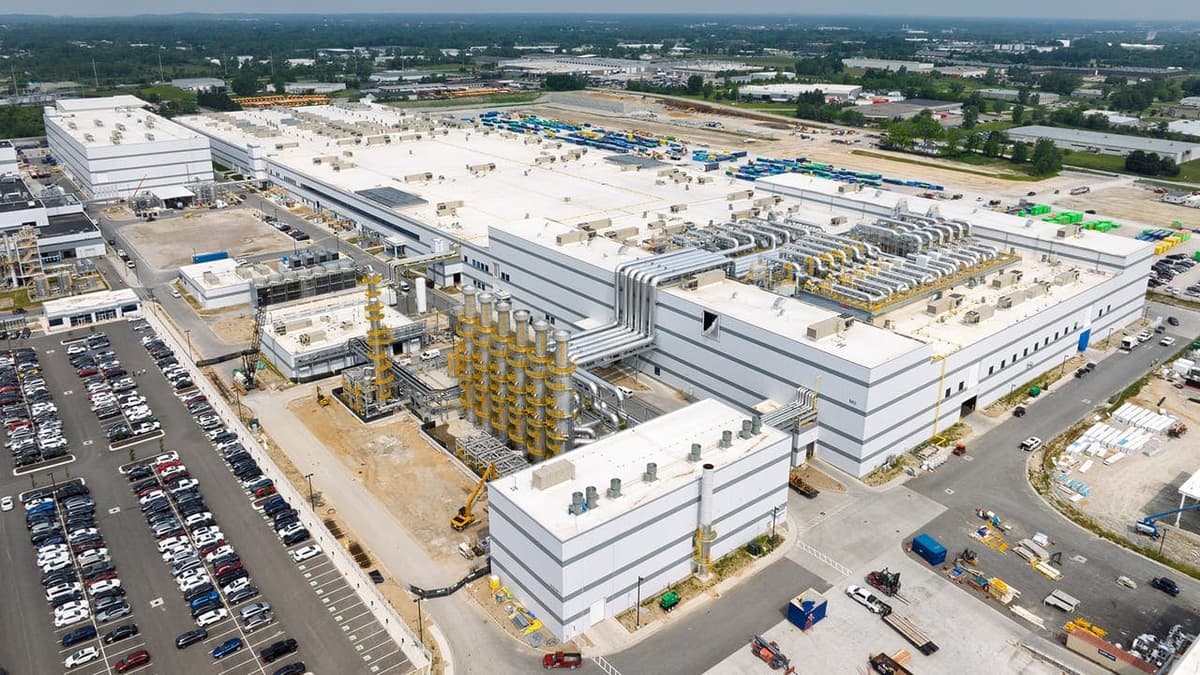
The manufacturing renaissance that began in 2024 is now bearing fruit. Major players—Fluence, LG Energy Solution, Samsung SDI, SK On, and Tesla—have collectively installed factories capable of producing roughly 70 GWh of finished storage systems per year, a leap from near‑zero capacity just two years earlier. LG’s expanded plant in Holland, Michigan alone contributes 25 GWh, and pipeline projects promise to lift total output to 145 GWh by late 2026. Yet the rapid build‑out is tempered by a domestic shortage of lithium, carbon black and other critical inputs, prompting firms to invest in recycling technologies and new North‑American mining ventures.
The implications extend beyond cleaner power. A robust domestic battery supply chain reduces exposure to geopolitical risks tied to Asian exporters, supports high‑paying manufacturing jobs, and aligns with federal incentives aimed at decarbonizing the grid. As storage begins to represent nearly a third of new power‑plant capacity, investors and policymakers will watch closely for cost trends, recycling breakthroughs, and the pace at which raw‑material bottlenecks are resolved—factors that will shape the next phase of America’s clean‑energy transition.
U.S. Grid-Scale Battery Production to Support 100% of Renewable Generating Capacity
Comments
Want to join the conversation?
Loading comments...