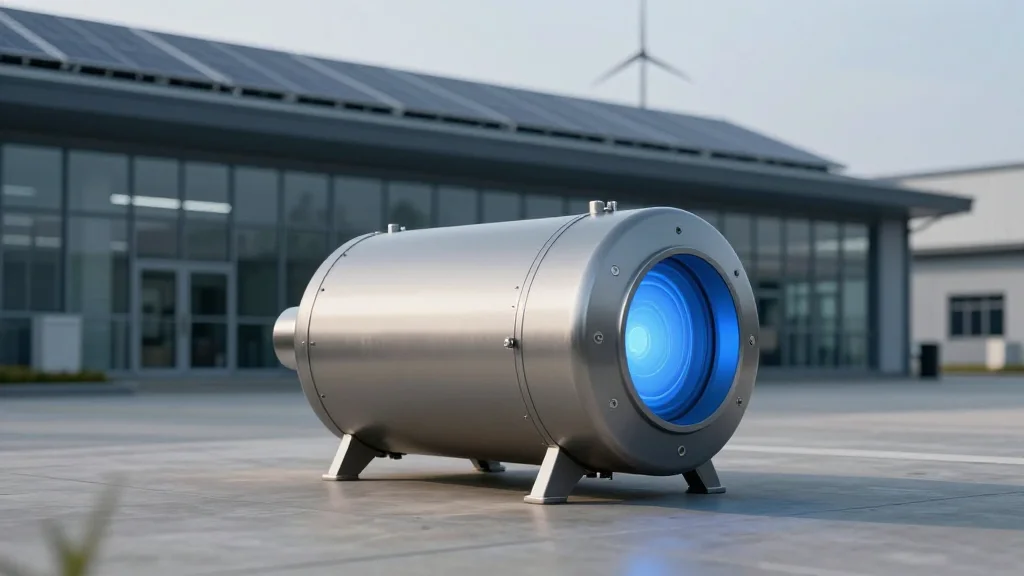
U.S. NRC Grants First Commercial Microreactor Permit to Power AI Data Centers

Companies Mentioned

Why It Matters
The approval of a commercial microreactor permit signals a potential paradigm shift for the energy‑intensive AI sector, which has been constrained by aging grid infrastructure and long lead times for traditional power upgrades. By offering on‑site, carbon‑free baseload power, microreactors could unlock stalled data‑center projects, reduce reliance on fossil‑fuel peaker plants, and accelerate the decarbonization of the digital economy. Beyond AI, the technology could serve remote industrial sites, mining operations and military installations, expanding the market for small modular reactors and creating a domestic supply chain for HALEU fuel. The move also puts pressure on policymakers to streamline licensing and address fuel‑production bottlenecks, shaping the regulatory landscape for next‑generation nuclear.
Key Takeaways
- •NRC formally accepted Nano Nuclear’s KRONOS micro‑reactor construction permit for review, the first commercial‑ready small nuclear reactor in the U.S.
- •Only ~4 GW of the 12 GW data‑center capacity targeted for 2026 is under construction, leaving ~7 GW of AI‑driven demand delayed
- •Power‑certain data‑center sites command a 15‑25 % lease‑rate premium, driving BYOP adoption
- •Meta pledged 7.8 GW and Microsoft secured 800 MW of nuclear power contracts; uranium prices hit $90/lb, a 2008 high
- •Construction of KRONOS could start H2 2027 with operational units expected by 2029
Pulse Analysis
The microreactor approval arrives at a moment when the AI boom is colliding with a decades‑old electricity infrastructure that simply cannot scale fast enough. Historically, large‑scale nuclear projects have suffered from cost overruns and long construction periods, making them unattractive for time‑sensitive tech investments. By contrast, the KRONOS design promises factory‑built modules that can be shipped and installed in months, not years. This speed advantage could make microreactors the de‑facto solution for data‑center developers who need firm power now rather than in the distant future.
From a market perspective, the move could catalyze a new financing niche. Investors have already shown appetite for clean‑energy assets that deliver predictable cash flows, and microreactors fit that profile: they offer high capacity factors, low operating emissions, and a clear revenue stream from power‑purchase agreements with hyperscalers. However, the technology still faces hurdles—regulatory scrutiny, public perception of nuclear safety, and the nascent HALEU fuel supply chain. If the NRC’s technical review uncovers safety concerns, it could delay the rollout and dampen investor enthusiasm.
Strategically, the permit underscores a broader shift toward decentralizing power generation. As grid interconnection queues lengthen, corporations are increasingly willing to internalize energy production. Microreactors could become a cornerstone of that trend, complementing renewable‑plus‑storage solutions and providing the firm, carbon‑free baseload that renewables alone cannot guarantee. The next few years will reveal whether the KRONOS project can deliver on its promise and whether the industry can scale the supply chain fast enough to meet the looming AI‑driven power crunch.
U.S. NRC Grants First Commercial Microreactor Permit to Power AI Data Centers
Comments
Want to join the conversation?
Loading comments...