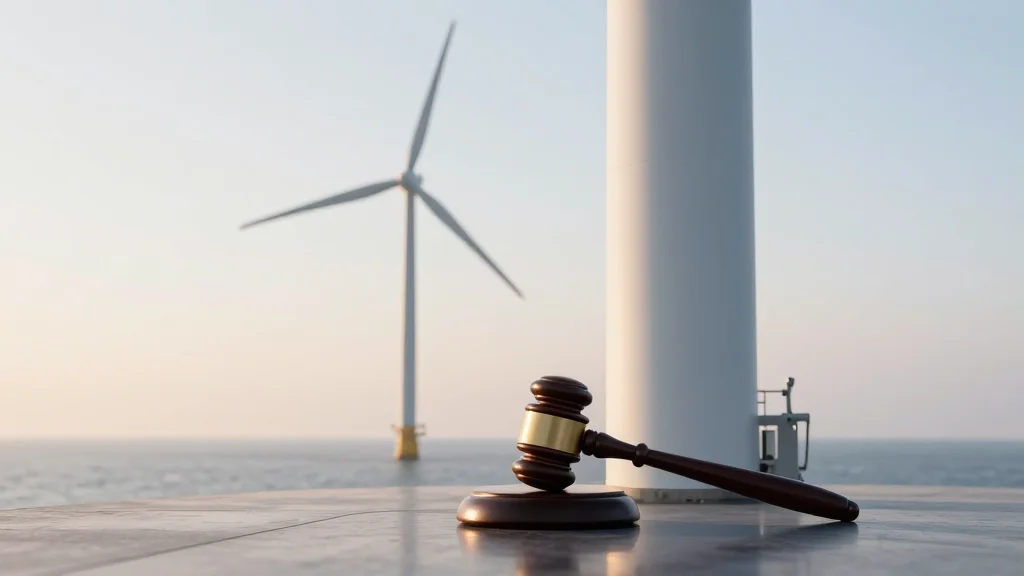
US Offshore Wind “Not a Dead Industry” – Oceantic Network CEO
Companies Mentioned
Why It Matters
The legal victories and sustained demand signal long‑term viability for offshore wind, reinforcing U.S. clean‑energy goals and creating investment opportunities despite political headwinds.
Key Takeaways
- •Courts cleared five offshore wind permits within eight weeks.
- •US electricity demand up 2.1% annually since 2021.
- •Government repaid roughly $2 bn in lease fees to operators.
- •No state lowered offshore wind procurement targets under Trump 2.0.
- •Industry eyes “offshore wind 2.0” built for speed and capacity.
Pulse Analysis
At the Offshore Technology Conference 2026, Oceantic Network president Liz Burdock countered headlines that label U.S. offshore wind a dying sector. She highlighted a series of court rulings that overturned the Trump administration’s 2023 permitting ban and swiftly cleared five stalled permits, restoring legal certainty for developers. These victories have cemented a clearer regulatory framework, reinforcing federal authority and setting precedents that limit arbitrary shutdowns. The legal momentum signals to investors that the industry’s foundational risks are being systematically addressed.
Energy consumption in the United States has been climbing at an average of 2.1 % per year since 2021, driven by expanding data centers, widespread electrification, and advanced manufacturing. The surge strains an already fragile supply chain and heightens concerns over energy security, making offshore wind an attractive source of baseload power. Yet the Biden administration’s recent strategy of repaying nearly $2 bn in lease fees—including a $1 bn payout to TotalEnergies—underscores the fiscal pressure the sector faces while still signaling a willingness to keep projects alive.
Looking ahead, industry leaders talk of an “offshore wind 2.0” era built for speed, higher capacity, and tighter integration with the grid. States have maintained or even increased their procurement targets, indicating that policy support remains robust despite political turbulence. Developers are now preparing for a second wave of projects that could add gigawatts of capacity within the next decade, a timeline that will require streamlined permitting, stable financing, and coordinated supply chains. For investors, the message is clear: the sector’s storms are temporary, but the horizon of growth is expanding.
US offshore wind “not a dead industry” – Oceantic Network CEO
Comments
Want to join the conversation?
Loading comments...