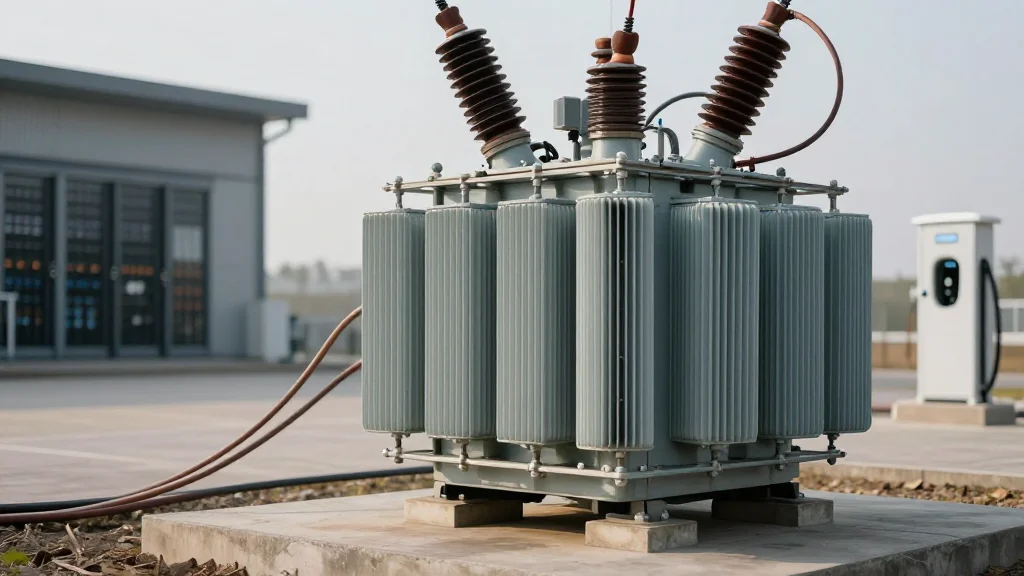
U.S. Transformer Market Faces Severe Supply Constraints as Lead Times Extend to Four Years
Companies Mentioned
Why It Matters
Extended transformer lead times and price inflation threaten the timing and economics of grid modernization and renewable‑energy projects, creating a strategic risk for utilities and data‑center developers.
Key Takeaways
- •Transformer lead times now reach up to four years
- •Prices have risen about 80% in the past five years
- •Demand for step‑up transformers up 274% from 2019‑2025
- •Hitachi Energy pledges >$1 billion for U.S. plant, operational 2028
- •Developers refurbish old units or pre‑pay slots amid shortages
Pulse Analysis
The United States is confronting an unprecedented bottleneck in power‑transformer availability, a condition that is reshaping the timeline of grid‑expansion projects nationwide. A surge in demand—driven by AI‑intensive data centers, the electrification of transport, and expanding industrial loads—has pushed orders for high‑capacity step‑up transformers up 274% since 2019, according to Wood Mackenzie. Coupled with a 116% rise in substation‑transformer demand, the market is now forced to schedule projects around a four‑year delivery horizon, effectively turning equipment lead time into a critical path constraint for renewable‑energy rollouts.
The supply crunch stems largely from shortages of grain‑oriented electrical steel and copper, both essential for transformer cores and windings. Global constraints on these raw materials have driven component prices up roughly 80% over the past five years, squeezing developer margins and prompting a shift toward pre‑paying production slots or refurbishing legacy units. With domestic steel capacity limited and import reliance high, manufacturers cannot quickly scale output, leaving the industry vulnerable to prolonged lead times and heightened cost volatility that ripple through utility and data‑center investment plans. To mitigate the gap, major OEMs are committing billions to domestic capacity.
Hitachi Energy announced a $1 billion investment in a South Boston plant slated for 2028, while Siemens is allocating $421 million to a Charlotte, North Carolina factory. Yet analysts warn these projects will not offset the imbalance for several years, prompting developers to explore on‑site generation and modular power solutions as alternatives to grid connection. The lingering transformer deficit also raises the specter of stranded renewable assets, underscoring the strategic importance of supply‑chain resilience in the nation’s clean‑energy transition.
U.S. transformer market faces severe supply constraints as lead times extend to four years
Comments
Want to join the conversation?
Loading comments...