Using Wood Twice Is EU’s Best Path to Net Zero — Nature Study
Why It Matters
The study offers the EU a scientifically validated route to achieve its 2050 net‑zero law, linking renewable energy production with permanent carbon sequestration. It also demonstrates how a circular bioeconomy can simultaneously address climate goals and resource efficiency.
Key Takeaways
- •Cascading wood use beats direct burning and forest inaction for carbon removal.
- •Particleboard with 30‑year life plus BECCS offers permanent CO₂ storage.
- •EU’s 2050 net‑zero goal requires large‑scale BECCS alongside emissions cuts.
- •Policies must incentivize circular wood use and permanent carbon capture.
Pulse Analysis
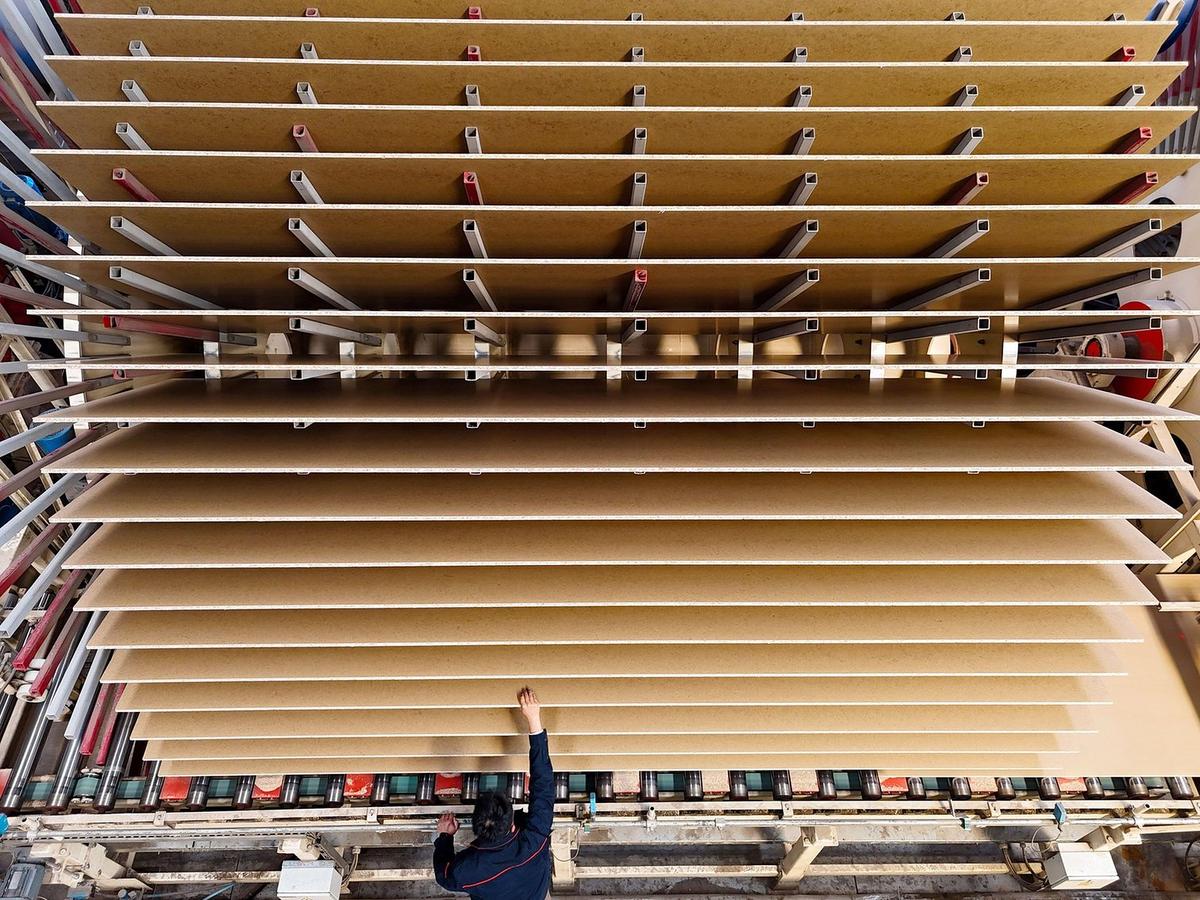
The European Union’s climate legislation now obliges all member states to hit net‑zero emissions by 2050, a target that pure decarbonisation of power and transport cannot achieve alone. Researchers from the University of Galway, the IEA Bioenergy BECCS project, and Germany’s DBFZ examined how wood residues can be leveraged for deeper climate impact. Their analysis shows that when sawmill by‑products are first transformed into long‑lasting panels—displacing carbon‑intensive plastics—and later combusted in a carbon‑capture facility, the net carbon removal far exceeds that of direct biomass burning or leaving the wood in the forest.
The cascading model hinges on a 30‑year service life for particleboard, effectively storing carbon for decades before the material is fed into a BECCS plant that captures and sequesters the released CO₂. This two‑step pathway not only supplies renewable heat and power but also creates a permanent sink, addressing the timing gap while large‑scale BECCS infrastructure is still under development. Compared with direct combustion, the study quantifies a substantially higher cumulative removal, reinforcing the role of bioenergy as a bridge to negative emissions.
Policy makers now face a clear mandate: embed circular wood strategies into climate frameworks and accelerate funding for permanent carbon capture and storage. Incentives for manufacturers to adopt long‑life wood products, combined with subsidies for BECCS deployment, could unlock gigaton‑scale removal potential across Europe. The approach also opens market opportunities for the bioeconomy, from advanced panel manufacturers to carbon‑credit developers, positioning the EU as a leader in integrated climate solutions that marry renewable energy with durable carbon storage.
Using Wood Twice is EU’s Best Path to Net Zero — Nature Study
Comments
Want to join the conversation?
Loading comments...