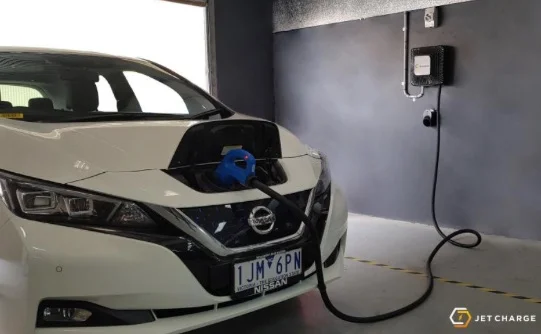
V2G Explainer: Safety and the Current State of Turning Electric Cars Into Batteries on Wheels
Why It Matters
Without clear homologation and interoperable standards, V2G rollouts risk safety incidents, warranty disputes, and hindered market scaling, limiting Australia’s potential to lead the global V2G market.
Key Takeaways
- •Australia’s V2G market driven by high rooftop solar penetration
- •ISO 15118‑20 adds standardized bidirectional power transfer for V2G
- •Safety depends on hardware interlocks, not just communication messages
- •Non‑homologated V2G setups risk warranty loss and unpredictable failures
- •Consumers must obtain OEM‑approved EV and charger lists before deployment
Pulse Analysis
Australia’s energy future is increasingly intertwined with electric vehicles, as the nation’s rooftop solar capacity creates a unique opportunity for Vehicle‑to‑Grid (V2G) services. The Combined Charging System (CCS) dominates local charging infrastructure, and the second‑generation ISO 15118‑20 protocol is emerging as the global standard for bidirectional power transfer. These technical foundations promise a seamless flow of electricity from cars back to homes or the grid, potentially turning millions of EV batteries into a distributed storage network that smooths peak demand and supports renewable integration.
However, safety is not guaranteed by software alone. Robust hardware interlocks, sequenced contactors, and fault‑management systems are essential to prevent arc‑flash events and premature wear of critical components. When V2G functionality is implemented through non‑homologated or OEM‑specific solutions, the system operates outside the conditions validated during vehicle certification, exposing users to warranty risks and unpredictable failure modes. ISO 15118‑20 addresses these concerns by embedding safety checks into the communication stack, but widespread adoption in Australia lags behind Europe, leaving a gap that pilots and bespoke integrations are trying to fill.
For the market to scale, clear certification pathways and interoperable standards must become non‑negotiable. Consumers should demand written confirmation from manufacturers detailing approved EV models, compatible chargers, power limits, and any warranty implications. Insurers and regulators will also play a role in defining the risk framework. As Australia moves toward a mature V2G ecosystem, the transition from experimental setups to standardized, homologated deployments will determine whether the country can capitalize on its renewable advantage and become a global leader in vehicle‑grid integration.
V2G explainer: Safety and the current state of turning electric cars into batteries on wheels
Comments
Want to join the conversation?
Loading comments...