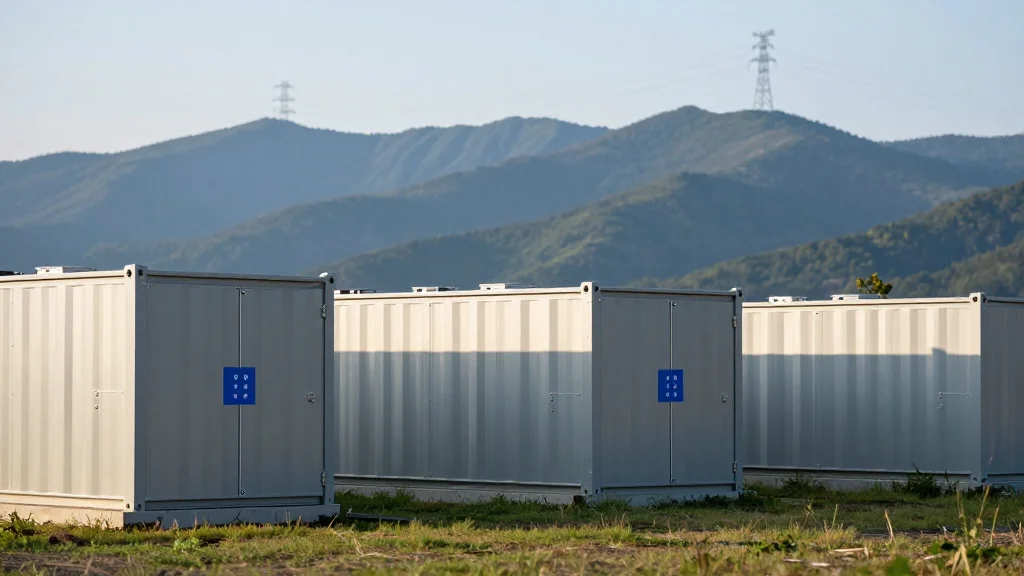
Virginia Public Power Providers Embrace Megawatt-Scale, Distribution-Connected Batteries
Why It Matters
The deployment offers a cost‑effective way for Virginia’s small distribution utilities to curb rising transmission and capacity expenses while enhancing grid reliability amid surging demand from data centers and other large loads.
Key Takeaways
- •25 MW of distribution‑connected storage slated for five Virginia sites.
- •Projects aim to save roughly $100 million over their lifespan.
- •Batteries will charge low demand, discharge high demand, easing PJM peaks.
- •Lightshift’s VPP+ aggregates small batteries into megawatt‑scale virtual plants.
- •Faster, cheaper deployment vs. transmission storage reduces upgrade costs.
Pulse Analysis
Distribution‑connected energy storage is gaining traction as utilities seek nimble solutions to rising peak demand, especially in regions like Virginia where the PJM Interconnection faces rapid load growth driven by data‑center corridors. By locating 5‑MW battery systems directly on distribution feeders, utilities can capture low‑cost energy during off‑peak hours and release it when the grid is strained, delivering immediate peak‑shaving benefits without the lengthy permitting and interconnection timelines that plague multi‑hundred‑megawatt transmission projects.
Lightshift Energy’s VPP+ offering leverages this model by bundling several modest‑size batteries into a coordinated virtual power plant. This approach mirrors the scale of traditional utility‑scale storage while preserving the “speed to power” advantage of behind‑the‑meter installations. The company’s experience in Massachusetts and now Virginia demonstrates that aggregating distributed assets can provide grid operators with reliable capacity, defer costly transmission upgrades, and create a flexible resource pool that can be dispatched in real time.
The broader industry trend shows utilities, data centers, and large industrial customers increasingly turning to battery storage for resilience, peak shaving, and emissions reduction. Lightshift’s partnership with Global Foundries on a 16 MW/52 MWh system in Vermont underscores the cross‑sector appeal of such projects. As regulatory pressures mount and renewable penetration deepens, distribution‑connected storage will likely become a cornerstone of grid modernization strategies, offering a scalable, cost‑effective bridge toward a more flexible, low‑carbon electricity system.
Virginia public power providers embrace megawatt-scale, distribution-connected batteries
Comments
Want to join the conversation?
Loading comments...