Companies Mentioned
Why It Matters
The slow domestic rollout delays rail industry decarbonization, affecting sustainability goals and competitive positioning against global peers. Early adoption in niche markets could shape future regulatory and infrastructure investments.
Key Takeaways
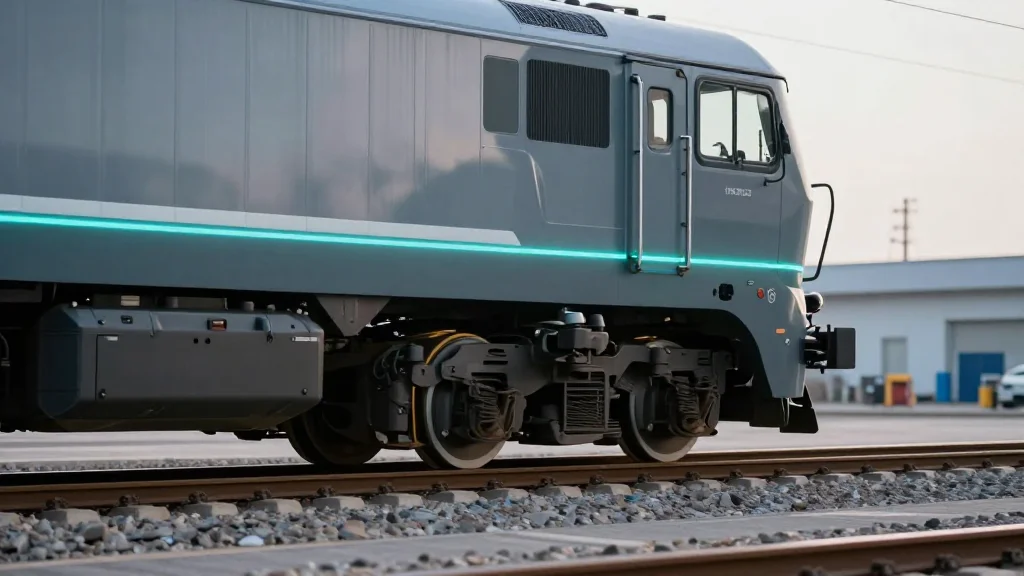
- •Wabtec delivered its first FLXdrive battery‑electric locomotives in 2026.
- •Hydrogen locomotives remain most advanced zero‑carbon rail technology.
- •U.S. railroads view diesel as primary energy source for years.
- •Local non‑attainment zones offer early market for low‑emission locomotives.
- •AI may optimize design but human oversight stays essential.
Pulse Analysis
The United States rail sector is currently in a "wait‑and‑see" phase regarding zero‑carbon locomotives. While the White House backs coal and crude oil, industry leaders such as Wabtec and HGmotive continue pilot programs for battery‑electric and hydrogen‑fuel‑cell units. Early deployments focus on yard and short‑haul applications where power demands align with existing technology maturity, allowing railroads to test performance without overhauling long‑distance infrastructure. This incremental approach reflects the need for parallel advances in battery density, hydrogen storage, and a supportive regulatory framework before large‑scale adoption becomes viable.
Globally, the appetite for alternative‑fuel locomotives is stronger. Europe’s rail networks, particularly in the United Kingdom, and emerging markets like Kazakhstan are actively exploring hydrogen‑powered freight solutions. In the Southern Hemisphere, Australian mining operators have already taken delivery of BE locomotives from Progress Rail, while South American railways are evaluating hybrid models. These international pilots generate valuable data on fuel efficiency, emissions reductions, and total cost of ownership, offering a roadmap that U.S. operators may eventually follow once domestic policy incentives align.
Artificial intelligence is poised to accelerate the design and operational optimization of next‑generation locomotives. AI‑driven simulations can shorten the redesign cycle for structural components, predict energy consumption patterns, and fine‑tune battery‑management systems. However, industry executives caution that safety‑critical decisions will remain human‑centric, especially in structural integrity and real‑time control. As AI tools mature, they could become a differentiator for firms that integrate predictive analytics with robust safety protocols, ultimately shaping the speed and scale of zero‑emission rail adoption in the United States.
Wait-and-See Approach
Comments
Want to join the conversation?
Loading comments...