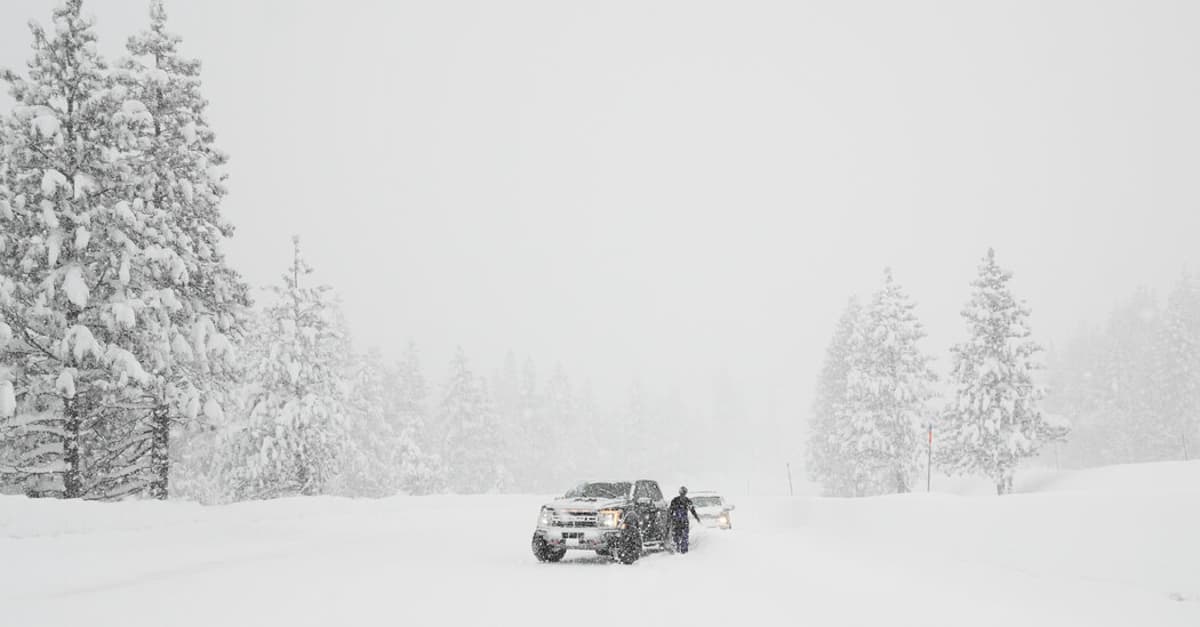
Warming Climate Can Increase Avalanche Risk, Studies Show
•February 19, 2026
0
Why It Matters
Warmer, moisture‑laden storms increase avalanche frequency, threatening public safety and the winter tourism economy. Understanding this link helps authorities and insurers adjust risk management strategies.
Key Takeaways
- •Warmer temps produce heavier, wetter snow at high elevations
- •Atmospheric rivers drive intense snowfall, raising avalanche danger
- •Sierra Nevada sees fewer snow days but higher avalanche risk
- •Study links climate warming to increased avalanche frequency
- •Backcountry fatalities underscore need for updated safety protocols
Pulse Analysis
The paradox of climate change in the western United States is becoming clearer: while overall winter precipitation may decline, the snow that does fall is increasingly concentrated in high‑elevation storms. Atmospheric rivers—narrow corridors of tropical moisture—have intensified, delivering massive snowfall events that are both heavier and wetter. This shift alters the snowpack structure, creating layers that are more prone to failure when additional weight is added, a key factor behind recent high‑altitude avalanches.
For the ski industry, backcountry guides, and local economies that rely on winter recreation, the implications are profound. Avalanche incidents not only pose direct threats to human life but also drive up insurance premiums, strain emergency response resources, and can deter tourists during peak seasons. Communities along the Sierra Nevada corridor must therefore reassess safety protocols, invest in advanced avalanche forecasting technology, and educate visitors on evolving risks. The economic ripple effect extends beyond immediate rescue costs, influencing property values and municipal budgets tied to winter tourism revenue.
Policymakers and researchers are responding by integrating climate projections into avalanche risk models and expanding monitoring networks across vulnerable mountain ranges. Adaptive measures—such as targeted reforestation, controlled snowpack stabilization, and revised land‑use planning—aim to mitigate the heightened danger. As atmospheric river activity is expected to rise with continued warming, proactive collaboration between scientists, emergency services, and the outdoor industry will be essential to safeguard both lives and the economic vitality of mountain regions.
Warming Climate Can Increase Avalanche Risk, Studies Show
0
Comments
Want to join the conversation?
Loading comments...