Watercycle and Cylib Sign MoU on Graphite Recovery
Why It Matters
The partnership tackles two critical bottlenecks—graphite and lithium supply—by linking recycling output directly to mineral recovery, reinforcing Europe’s goal of a self‑sufficient, circular battery ecosystem.
Key Takeaways
- •Watercycle to evaluate graphite purchase from cylib's Aachen demo by 2026.
- •Partnership targets scaling from pilot to commercial graphite volumes.
- •Direct Lithium Extraction will treat recycling water, yielding lithium and clean water.
- •MoU aims to strengthen Europe's circular battery supply chain.
- •No commercial terms, volumes or pricing disclosed publicly.
Pulse Analysis
Europe’s battery strategy has shifted from raw‑material imports toward a closed‑loop model, driven by the EU’s Green Deal and the Battery Regulation that mandates higher recycled content. Graphite and lithium, essential for high‑energy‑density cells, remain vulnerable to supply disruptions and price volatility. By integrating recycling with mineral recovery, the region can reduce reliance on overseas mines and meet stricter sustainability criteria, positioning itself as a leader in next‑generation energy storage.
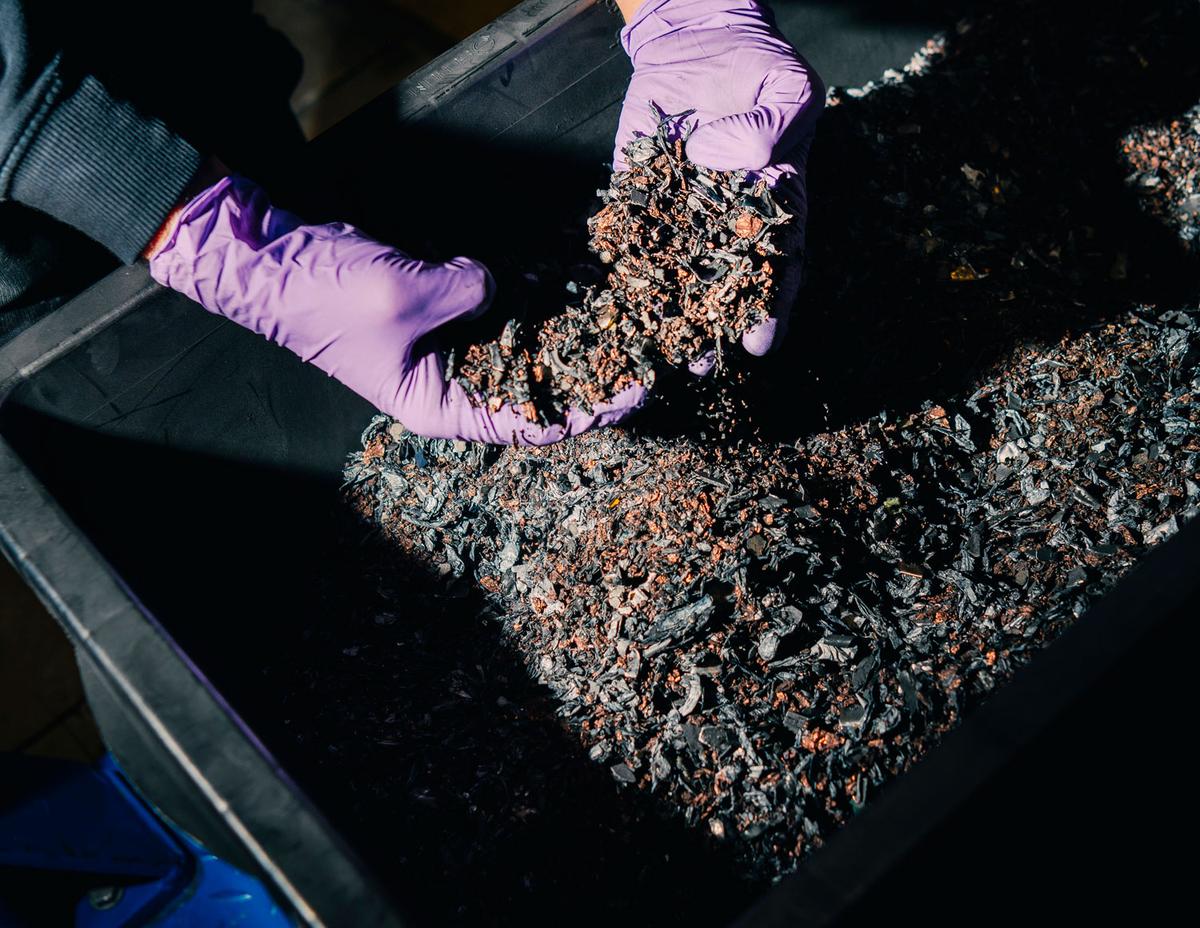
The Watercycle‑cylib MoU blends complementary expertise: cylib’s advanced shredding and pyrometallurgical processes generate a slurry rich in graphite particles and lithium‑bearing brine, while Watercycle’s modular Direct Lithium Extraction (DLE) and crystallisation units can selectively pull lithium from that brine and purify water for reuse. The agreement foresees Watercycle purchasing graphite from cylib’s Aachen pilot facility beginning in 2026, with a roadmap to scale as the first full‑scale plant comes online. Although financial terms remain undisclosed, the collaboration signals confidence that DLE technology can move beyond pilot projects to industrial throughput, potentially lowering the cost curve for recycled lithium.
For investors and industry watchers, the deal highlights a growing convergence of recycling and resource recovery firms aiming to capture value across the battery lifecycle. Successful integration could unlock new revenue streams, improve the economics of battery recycling, and accelerate the rollout of European‑made batteries. Competitors are likely to pursue similar alliances, making strategic partnerships a key differentiator in the emerging circular‑economy market. The next few years will reveal whether these pilots can translate into commercial scale, shaping the supply dynamics for the continent’s electric‑vehicle and grid‑storage ambitions.
Watercycle and cylib sign MoU on graphite recovery
Comments
Want to join the conversation?
Loading comments...