Why Are Communities Pushing Back Against Data Centers?
Why It Matters
The backlash highlights a clash between tech‑driven growth and local fiscal, environmental, and energy stability, forcing policymakers to reassess incentives and regulatory oversight.
Key Takeaways
- •Data centers consume 1.4 GW, matching a million U.S. homes.
- •Projects could demand 10‑15% of national electricity within years.
- •Tax breaks cost Virginia and Georgia over $1 billion in lost revenue.
- •Operational staff limited to 20‑50 employees per hyperscale facility.
- •Community opposition spurs moratoria and bipartisan political shifts.
Pulse Analysis
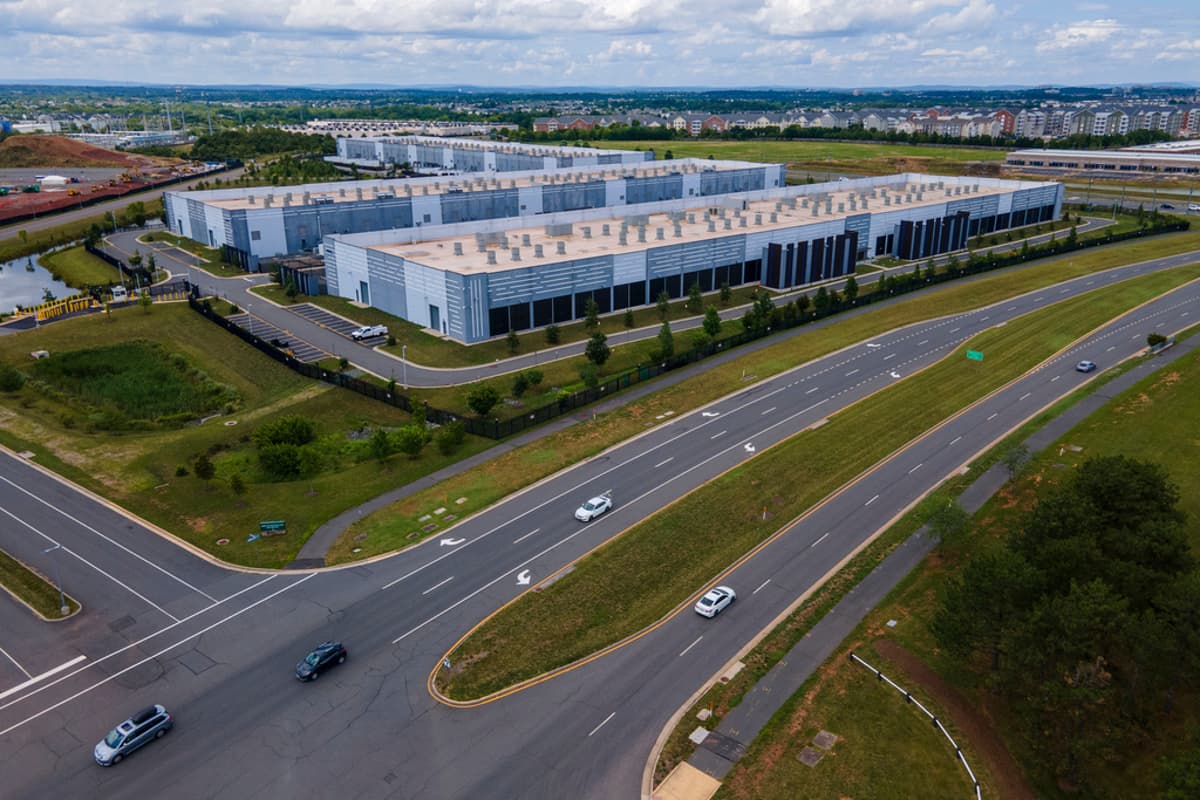
The surge in AI applications has turned data centers into the new frontier of U.S. infrastructure. Developers tout tax incentives and the promise of a digital economy, but the scale of modern facilities—often exceeding two million square feet and drawing power comparable to a million households—means they are becoming energy behemoths. National electricity demand from these sites could soon represent 10 to 15 percent of total consumption, challenging the country’s renewable‑energy transition and forcing utilities to keep older fossil‑fuel plants online longer than planned.
Local residents are feeling the impact directly. Rising electricity bills, sometimes doubling, and heightened water withdrawals strain municipal resources, while the touted job creation is largely limited to short‑term construction work. Once operational, a hyperscale center typically requires only a handful of technicians, delivering minimal ongoing employment. Moreover, generous tax abatements have siphoned over a billion dollars in potential public revenue in states like Virginia and Georgia, reducing funds available for schools, infrastructure, and healthcare.
Policymakers are now confronting a bipartisan dilemma: balance the economic allure of attracting tech giants with the tangible costs to constituents. Experts recommend ending opaque tax breaks, mandating transparent contract disclosures, and instituting consumer rate‑protection clauses to prevent utility cost pass‑throughs. Additionally, states should set caps on cumulative water and electricity demand from data centers to safeguard climate goals. As community opposition fuels new political coalitions, the next wave of regulation could reshape the data‑center landscape, ensuring growth aligns with broader public and environmental interests.
Why are communities pushing back against data centers?
Comments
Want to join the conversation?
Loading comments...