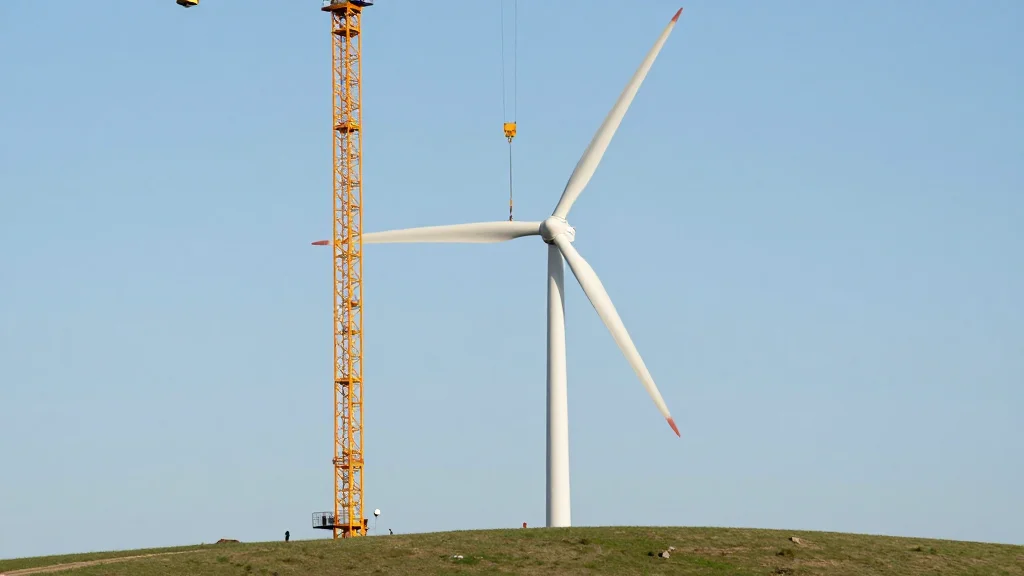
Wind Repowering—A Second Wind for the Industry
Why It Matters
Repowering offers a cost‑effective path to increase U.S. renewable output, sustaining the wind sector’s profitability and supporting national decarbonization goals. It balances technical upgrades with regulatory and financing considerations, making aging assets viable for decades to come.
Key Takeaways
- •U.S. has ~75,000 turbines nearing 15‑20 years of service
- •Repowering can boost annual energy production while using existing infrastructure
- •Capital costs for repowering are lower than greenfield projects
- •Regulatory review may be needed if turbine size or height increases
- •Targeted component upgrades can improve reliability and reduce OPEX
Pulse Analysis
The wind industry’s maturation is reshaping investment strategies as a growing share of turbines near the end of their design life. While greenfield development has stalled due to supply‑chain bottlenecks, tax‑credit uncertainties, and limited interconnection slots, repowering provides a pragmatic alternative. By reusing existing substations, transmission rights, and land leases, developers can sidestep many of the permitting hurdles that accompany new sites, accelerating project timelines and preserving valuable grid capacity. Moreover, modern turbine designs deliver higher capacity factors, translating into measurable gains in annual energy production and revenue streams for owners.
Financially, repowering presents a compelling case. Capital expenditures are typically 30‑40% lower than those for fresh builds because major civil works—foundations, roads, and transmission interfaces—are already in place. This cost advantage, combined with the ability to secure long‑term power purchase agreements anchored by improved output forecasts, enhances project bankability. Investors are also attracted by the reduced risk profile; existing sites have proven wind resources and established community relationships, which can streamline financing and insurance processes. However, careful modeling of CAPEX, OPEX, and potential grid upgrades remains essential to ensure a robust business case.
From a regulatory and environmental standpoint, repowering is not a free pass. Increases in turbine hub height or rotor diameter may trigger new FAA clearances, avian impact studies, and local noise assessments. Early engagement with transmission operators and permitting agencies can mitigate delays and identify material modifications that require formal review. Additionally, targeted upgrades—such as modernizing cooling or hydraulic systems—can extend asset life without the full expense of turbine replacement, offering a middle ground for owners seeking incremental performance gains. As the United States aims to double its offshore and onshore wind capacity by 2030, repowering will be a critical lever to unlock the latent potential of its existing fleet, ensuring that the nation’s wind infrastructure remains competitive and resilient for the next generation of clean‑energy demand.
Wind Repowering—A Second Wind for the Industry
Comments
Want to join the conversation?
Loading comments...