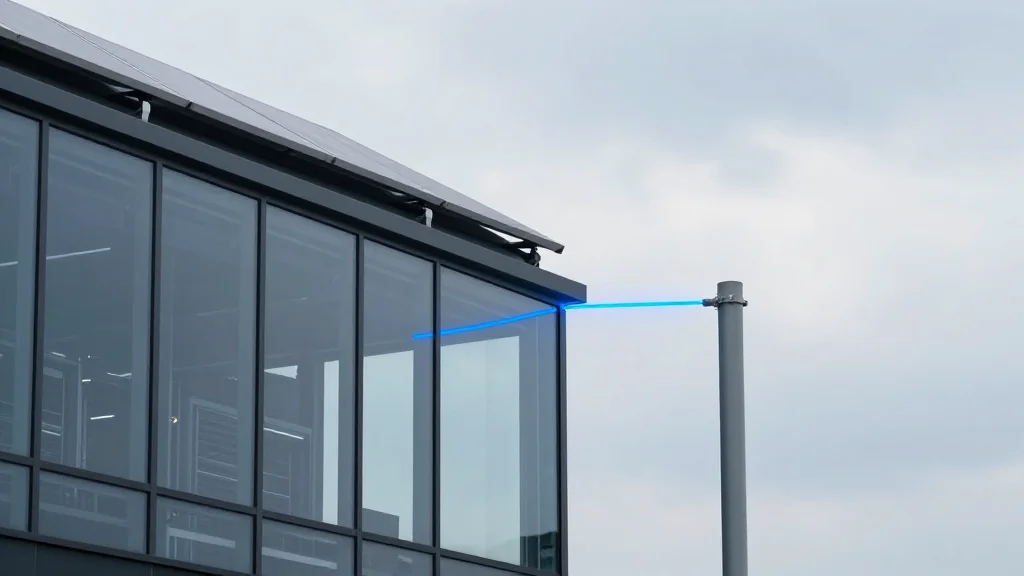
Wisconsin Sets First Dedicated Data‑Center Electricity Rates, Targeting Energy Costs

Why It Matters
The dedicated rate framework directly addresses the energy intensity of data‑center operations, a fast‑growing load on the electric grid. By ensuring that facilities pay for the exact resources they require, Wisconsin is creating a financial incentive for operators to adopt energy‑efficient designs and renewable power sources, thereby reducing the sector’s carbon footprint. Beyond state borders, the policy could serve as a template for other jurisdictions grappling with the dual goals of attracting high‑tech investment and meeting climate commitments. As data centers proliferate, transparent cost allocation becomes essential for preventing hidden subsidies that undermine broader decarbonization efforts.
Key Takeaways
- •Wisconsin regulators approve first‑ever dedicated electricity rates for data centers
- •Rates require facilities to cover full cost of additional generation, transmission, and distribution
- •Decision announced amid evaluation of 47 new data‑center proposals in the state
- •Policy aims to align pricing with actual energy use and encourage efficiency
- •Sets a potential precedent for other states facing rapid data‑center growth
Pulse Analysis
Wisconsin’s rate decision arrives at a pivotal moment for the data‑center industry, which is transitioning from a cost‑of‑capacity model to one that reflects real‑time resource consumption. Historically, utilities have bundled data‑center demand into broader residential and commercial tariffs, obscuring the true cost of grid expansion. By unbundling these costs, Wisconsin is nudging the market toward more granular demand‑side management, a cornerstone of modern climate‑tech strategies.
The move also dovetails with a broader shift toward on‑site renewable generation and storage. Data‑center operators, now facing higher marginal electricity costs, are likely to explore solar‑plus‑battery installations, waste‑heat recovery, and advanced cooling technologies to offset expenses. This could accelerate the deployment of climate‑tech solutions that have previously struggled to achieve scale due to uncertain economics.
From a competitive standpoint, Wisconsin’s policy may initially raise the barrier to entry for developers compared with states offering flat, subsidized rates. However, the long‑term benefit could be a more resilient, lower‑emission grid that attracts firms committed to sustainability. If other states adopt similar pricing structures, the industry could see a cascade of efficiency upgrades, driving down overall power consumption per compute unit and contributing meaningfully to national emissions reduction goals.
Wisconsin Sets First Dedicated Data‑Center Electricity Rates, Targeting Energy Costs
Comments
Want to join the conversation?
Loading comments...