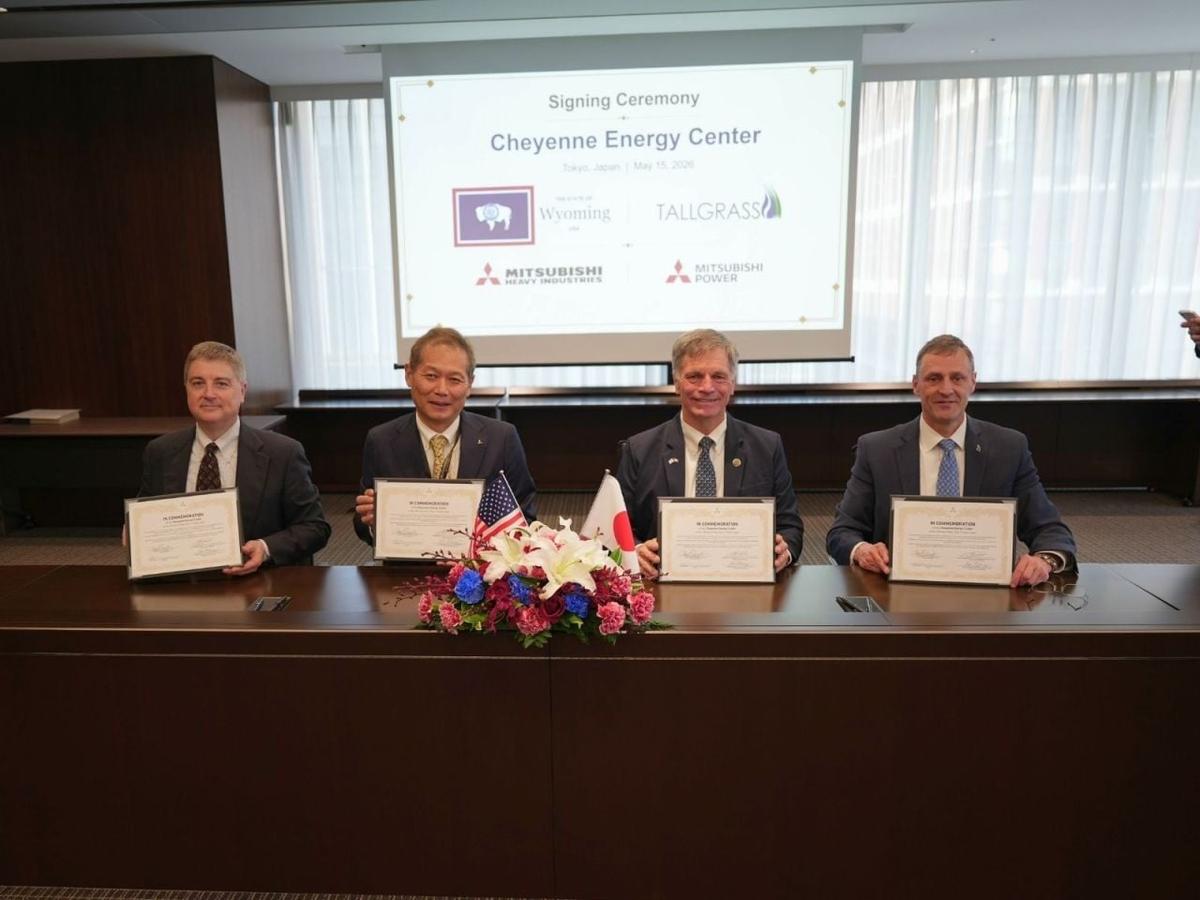
Wyoming Data Center Power Projects Highlight New Entrants, Partnerships in Power Generation Market
Companies Mentioned
Why It Matters
Midstream companies entering power generation reshapes the energy supply chain, easing grid strain while unlocking new revenue streams tied to the booming data‑center sector. The shift also accelerates investment in flexible, low‑carbon generation needed for the West’s rapid load growth.
Key Takeaways
- •Tallgrass' Cheyenne Power Hub exceeds $7 B, adds 1,150 MW for Project Jade.
- •Midstream firms use pipelines to build behind‑meter power for data centers.
- •Western U.S. electricity demand to rise >20% this decade, 90 GW data centers.
- •Gas turbine orders hit record; prices projected $600/kW by 2027.
- •Williams commits $5.1 B to modular power projects targeting constrained regions.
Pulse Analysis
The surge in AI workloads and hyperscale computing is turning data centers into one of the fastest‑growing electricity consumers in the United States. Traditional utilities struggle to keep pace, especially in the Mountain West where transmission corridors are already near capacity. To bridge the gap, midstream firms—originally focused on oil and gas pipelines—are repurposing their extensive right‑of‑way networks to host on‑site generation. By colocating power plants with data‑center campuses, they provide reliable, behind‑meter electricity that sidesteps grid bottlenecks while leveraging existing fuel supply logistics.
Tallgrass Energy’s Cheyenne Power Hub illustrates this emerging model. The $7 billion complex will host two combined‑cycle gas turbines, aeroderivative units for startup and backup, and a dedicated fuel‑cell yard, all fed by natural gas from the Rockies Express Pipeline. Partnering with AI‑infrastructure provider Crusoe, the adjacent Project Jade campus is slated to start at 1.8 GW and scale toward 10 GW, positioning Wyoming as a strategic hub for low‑latency, high‑performance computing. Proximity to Tallgrass’s Trailblazer carbon‑capture hub also offers a pathway to decarbonize the plant’s emissions, a differentiator that could attract climate‑conscious customers.
The ripple effects extend across the equipment supply chain. Mitsubishi Heavy Industries reported a record backlog of roughly $34 billion in large‑frame turbines, while GE Vernova’s order book surged past 100 GW, pushing unit prices toward $600 per kilowatt by 2027. Parallel investments from Williams, which pledged $5.1 billion to modular power projects, signal that the industry expects sustained demand for flexible, fast‑deployable generation. As the Western grid braces for a 20 % load increase, these behind‑meter assets will likely become integral to regional reliability strategies, reshaping how power is financed, built, and operated for the next decade.
Wyoming data center power projects highlight new entrants, partnerships in power generation market
Comments
Want to join the conversation?
Loading comments...