Why It Matters
The plant bolsters Germany’s renewable capacity while creating local jobs and showcases Zelestra’s aggressive pipeline of solar and storage projects, accelerating the country’s decarbonisation goals.
Key Takeaways
- •27 MWdc plant targets Q2 2026 commercial operation
- •Project will produce 28,700 MWh annually, cutting 9,500 t CO₂
- •Construction supports 40 local jobs in Mecklenburg‑Vorpommern
- •30 MWh battery will hybridise the solar facility
- •Zelestra aims to add 120 MW solar capacity this year
Pulse Analysis
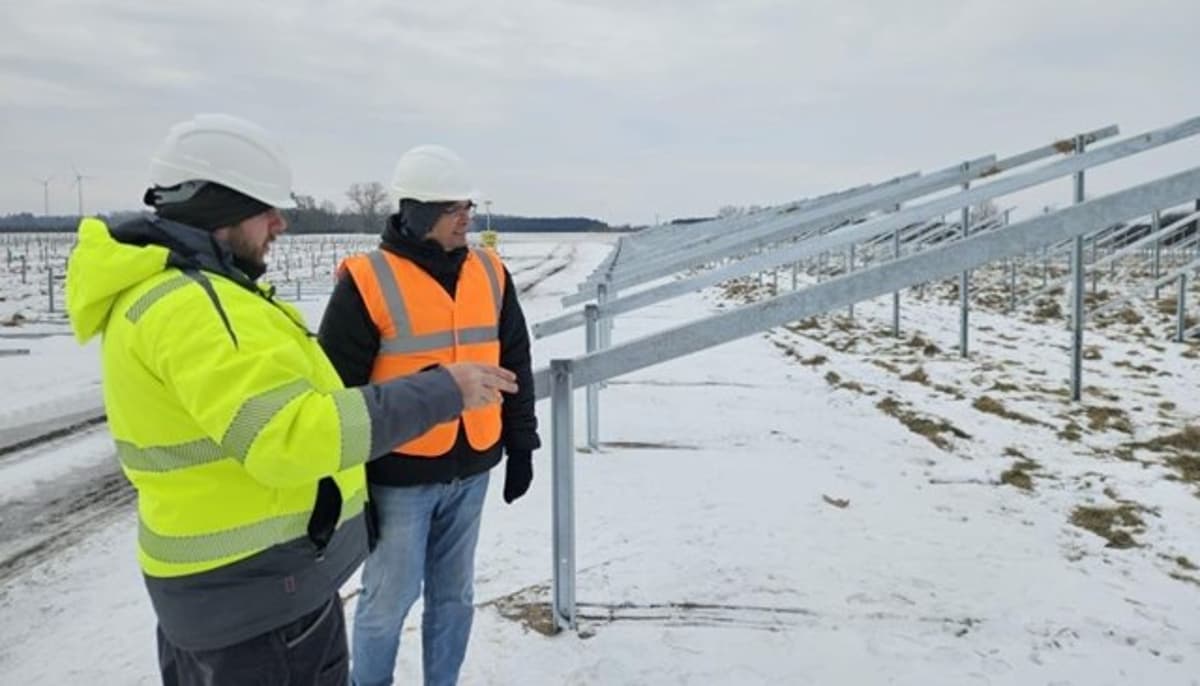
Germany’s renewable landscape is gaining momentum as developers like Zelestra translate EEG tender wins into tangible assets. The Klevenow project exemplifies this trend, moving from permitting to physical construction with ground‑mounting structures, cabling, and transformer installations already completed. By delivering 27 MWdc of capacity, the plant will contribute roughly 28,700 MWh of clean electricity, enough to power thousands of homes while offsetting 9,500 tonnes of CO₂ annually, reinforcing the EU’s climate targets.
Beyond mere generation, Zelestra’s integration of a 30 MWh battery energy storage system signals a strategic shift toward hybrid renewable solutions. Storage enables better grid balancing, mitigates intermittency, and opens revenue streams from ancillary services. For industrial consumers in the Pomeranian Triangle, this translates into more reliable, on‑site power and potential cost savings, illustrating how solar‑plus‑storage projects can meet both sustainability and commercial objectives.
Zelestra’s broader pipeline—over 2 GW of solar and BESS projects across Germany—highlights the company’s aggressive growth posture following its 2024 acquisition of East Energy. With plans to break ground on an additional 120 MW of solar this year, the firm is positioning itself as a key player in Europe’s energy transition. Stakeholders, from investors to policy makers, should watch Zelestra’s execution closely, as its success could set a benchmark for scaling renewable infrastructure while fostering local employment and advancing decarbonisation goals.
Zelestra advances Klevenow solar build
0
Comments
Want to join the conversation?
Loading comments...