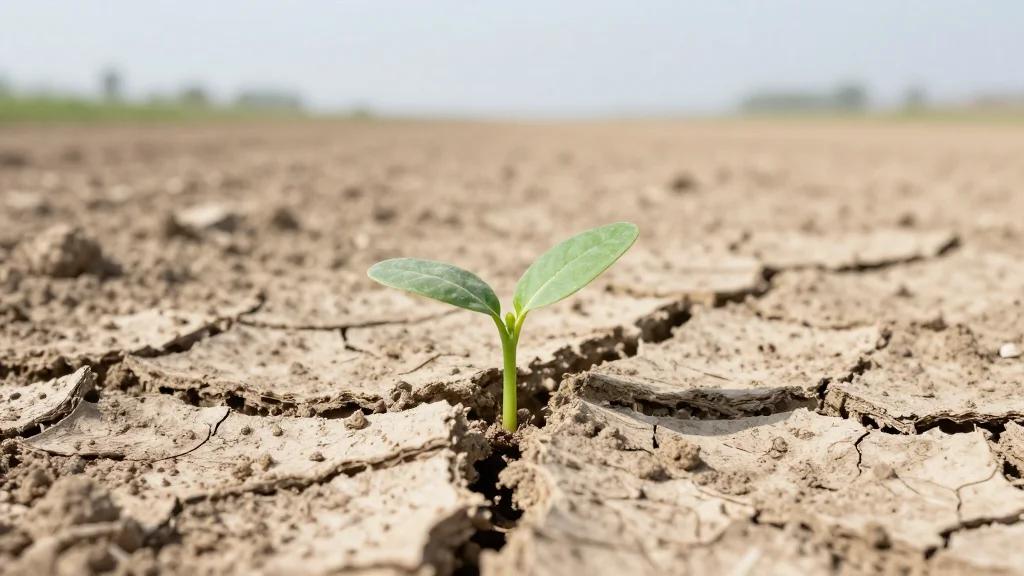
Drought Engulfs 60% Of U.S. As Farmers Begin Spring Planting
Key Takeaways
- •60% of contiguous U.S. classified in drought by NOAA
- •Southern states face severe to exceptional drought, hurting sugarcane, rice, peanuts
- •Great Plains wheat farmers must choose replant or cut losses
- •Cattle herd at lowest since 1950s, risking higher beef prices
- •Western snowpack shrinkage threatens irrigation, prompting water-use cutbacks
Pulse Analysis
The current drought, now covering roughly three‑quarters of the nation’s agricultural heartland, reflects a convergence of climate anomalies, including a lingering La Niña pattern and higher-than‑average temperatures. NOAA’s early‑season assessment flags the situation as comparable to historic dry spells, such as the 1610 drought that devastated early colonial settlements. While the southern tier endures severe to exceptional dryness, the Great Plains—America’s breadbasket—faces hardened soils that impede winter wheat germination, forcing farmers to weigh costly replanting against abandoning a struggling crop.
Beyond the immediate agronomic challenges, the drought amplifies existing cost pressures on the supply chain. Fertilizer and diesel prices, already inflated by geopolitical disruptions, are now compounded by reduced yields, tightening margins for producers and pushing commodity futures higher. Livestock producers confront a dual squeeze: a cattle herd at its lowest level since the 1950s and limited pasture moisture, setting the stage for steep beef price spikes. Grain markets are reacting accordingly, with agri‑focused ETFs seeing heightened inflows as investors hedge against potential food inflation.
Policy responses are already emerging. Western states are imposing water‑use curtailments, especially in the Yakima Basin and along the Colorado River, to preserve dwindling snowpack‑fed supplies. Federal agencies are evaluating emergency assistance for affected farms, while the USDA’s Climate Hub is tracking long‑term water‑management strategies. For investors, the drought underscores the growing relevance of climate‑resilient agriculture assets and the importance of diversifying exposure across water‑intensive and drought‑tolerant crops. Monitoring these dynamics will be crucial as the season progresses and market participants gauge the broader economic fallout.
Drought Engulfs 60% Of U.S. As Farmers Begin Spring Planting
Comments
Want to join the conversation?