Iran Ceasefire Won’t Provide Immediate Fertilizer Relief
Key Takeaways
- •Two‑week Iran ceasefire opens Strait, but shipments remain limited
- •Urea prices jump 34% month‑over‑month, driving fertilizer spikes
- •US corn growers’ concern for 2027 fertilizer access doubles 2026 worries
- •War‑risk insurance and delays keep shipping costs high
- •Backlogged fertilizer deliveries may take months to clear
Pulse Analysis
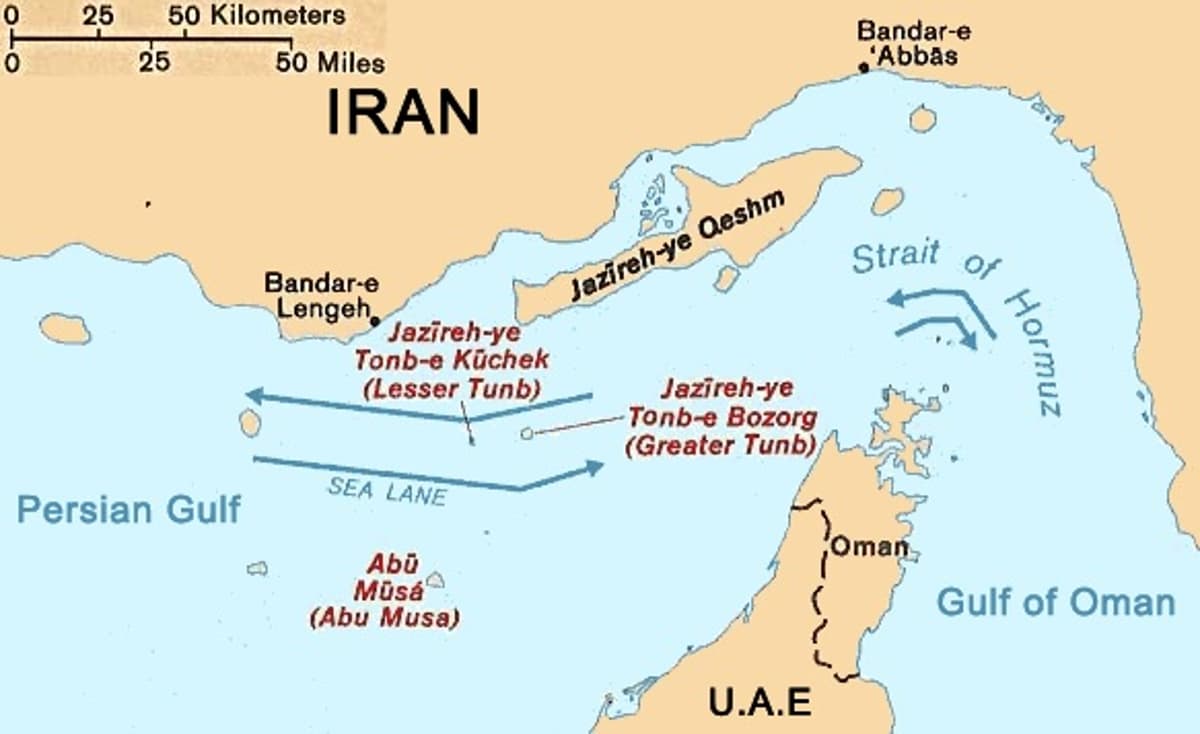
The brief U.S.–Iran cease‑fire offers a symbolic de‑escalation, yet the strategic importance of the Strait of Hormuz means its partial reopening does little to resolve the underlying logistics bottleneck. Even with the waterway technically open, carriers face heightened war‑risk premiums and cautious routing, which translate into longer transit times and higher freight costs. For commodity traders, this translates into a risk‑adjusted pricing model where the cost of moving urea, UAN blends, and anhydrous ammonia now incorporates insurance premiums that can add 10‑15% to landed prices.
Meanwhile, fertilizer markets are reacting sharply to the supply shock. DTN data shows all eight major fertilizer grades posted month‑over‑month gains, with urea leading at a 34% increase and liquid fertilizers averaging $838 per ton. Such price momentum reflects both the immediate scarcity of shipments and broader macro‑economic pressures, including rising energy costs that feed into nitrogen production. The price trajectory is likely to stay upward‑biased as producers hedge against further geopolitical disruptions, prompting buyers to lock in contracts at premium rates.
For U.S. farmers, especially corn growers, the price surge compounds an already fragile budgeting outlook. Surveys from the National Corn Growers Association reveal that while many have secured inputs for the 2026 season, nearly twice as many are worried about availability and affordability for the 2027 crop. This forward‑looking anxiety signals potential planting delays, reduced acreage, or a shift toward lower‑input farming practices, all of which could dampen yields and affect grain markets. Stakeholders—from agribusiness lenders to policy makers—must monitor the evolving risk landscape, as prolonged disruptions in the Hormuz corridor could reverberate through global food supply chains for years to come.
Iran Ceasefire Won’t Provide Immediate Fertilizer Relief
Comments
Want to join the conversation?