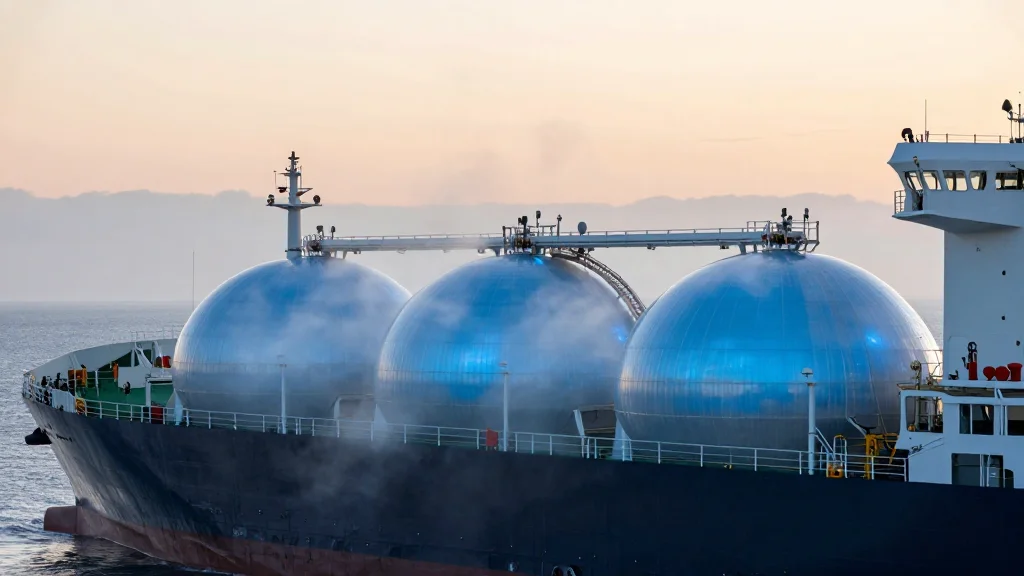
LNG Shipping Tightens as Europe Storage Deficit and Price Risk Drive Positioning
Key Takeaways
- •Europe faces a large LNG storage shortfall ahead of winter
- •Modern, flexible vessels are being booked for multimonth contracts
- •US‑to‑Asia LNG voyages hit one‑year highs, indicating strong arbitrage
- •Portfolios hedge against bullish price outlook by securing optionality
- •Limited supply east of Suez intensifies competition for marginal cargoes
Pulse Analysis
Europe’s LNG market is entering a critical juncture. With storage facilities still below optimal levels, the continent must import a steady stream of cargoes throughout the winter injection season. The shortfall is compounded by geopolitical constraints that have reduced supply from the Middle East, leaving the region vulnerable to price spikes if inflows falter. Energy traders and utilities are therefore prioritising supply security, treating shipping capacity as a core component of their risk‑management toolkit rather than a peripheral logistics concern.
At the same time, the global LNG fleet is undergoing a subtle reallocation. Vortexa data shows U.S.‑to‑Asia voyages climbing to their highest volumes in more than twelve months, a clear signal that arbitrage opportunities remain robust. However, the surge is not merely about profit from distance; it reflects a broader appetite for modern, fuel‑efficient vessels that can switch destinations on short notice. Such flexibility allows charterers to respond swiftly to market signals, whether that means diverting cargoes to Europe’s tightening market or capitalising on Asian demand peaks expected later in the summer.
The strategic implication is clear: securing flexible tonnage now is becoming a hedge against a bullish LNG price outlook. If European storage fails to catch up, spot prices are likely to rise, intensifying competition for marginal cargoes and rewarding operators who control vessels with destination optionality. This dynamic pushes shipping from a tactical, short‑term arbitrage play to a longer‑term strategic asset, influencing charter rates, fleet investment decisions, and ultimately the cost structure of downstream energy markets. Stakeholders that lock in modern, adaptable ships ahead of winter will be better positioned to navigate price volatility and ensure reliable supply to end‑users.
LNG shipping tightens as Europe storage deficit and price risk drive positioning
Comments
Want to join the conversation?