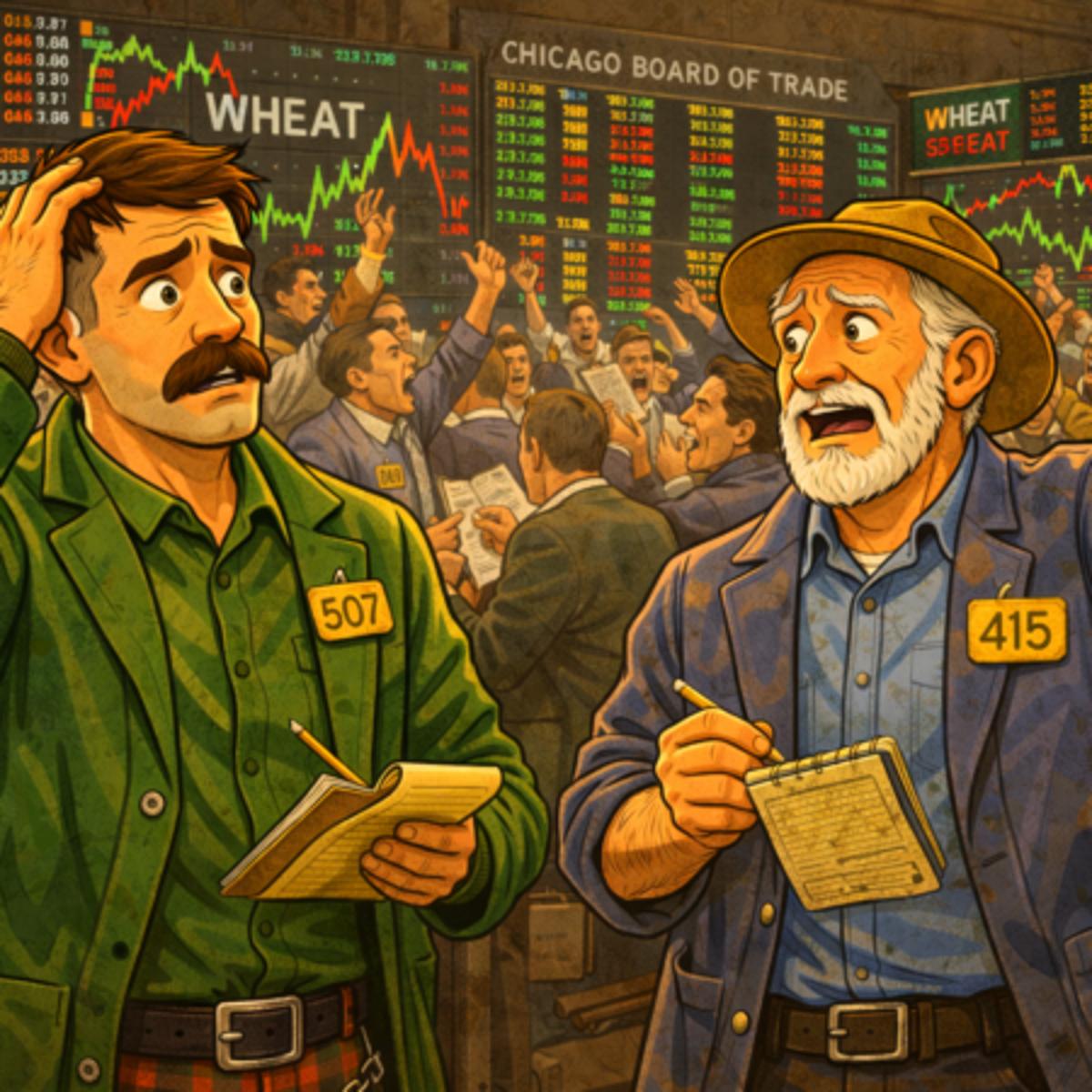
Market Morsel: Making the Most of Wheat Market Volatility
•March 10, 2026
0
Key Takeaways
- •Wheat volatility spikes with geopolitical tensions
- •Weather forecasts drive seasonal price swings
- •Speculative positions amplify market moves
- •Growers can capture profit windows during spikes
- •Processors face unpredictable input costs
Summary
The piece highlights a shift from a tranquil 2025 wheat market to renewed volatility driven by the Middle Eastern conflict. It outlines how weather, geopolitics, trade policy and speculative capital historically cause rapid price swings in grain markets. Seasonal harvest cycles amplify sensitivity to rainfall and temperature forecasts in key regions like the U.S., Europe, and the Black Sea. The author advises growers and processors to anticipate, not fear, volatility, turning sudden moves into profit opportunities rather than setbacks.
Pulse Analysis
Wheat markets have long oscillated between periods of calm and sudden turbulence, a pattern that resurfaced after a relatively quiet 2025. The recent escalation in the Middle East injected fresh geopolitical risk, prompting traders to reassess global supply balances. This shift underscores how external shocks can instantly transform a low‑volatility environment into a high‑stakes arena, reminding market participants that complacency can be costly in agricultural commodities.
The primary catalysts of wheat price swings are weather variability, seasonal harvest timing, and speculative capital flows. As the northern‑hemisphere summer approaches, even minor deviations in rainfall or temperature forecasts across the United States, Europe, or the Black Sea can rewrite production outlooks, triggering rapid futures price adjustments. Simultaneously, large investment funds often hold sizable long or short positions; when market sentiment flips, forced unwinds generate short‑covering rallies or panic sells, magnifying the underlying supply‑risk signal. These intertwined forces create a feedback loop where geopolitical events, trade policy shifts, and energy market dynamics further compound price volatility.
For growers, millers, and food manufacturers, volatility presents both risk and opportunity. Producers who lock in prices too early may miss upside, while those who wait risk lower receipts if prices fall. Processors, on the other hand, grapple with unpredictable input costs that strain margins, especially when price passes cannot be transferred downstream. Effective risk‑management—through diversified hedging, flexible contract terms, and real‑time weather analytics—allows stakeholders to navigate sudden spikes and capitalize on short‑term pricing windows. Ultimately, embracing volatility as an inherent market feature, rather than fearing it, equips the grain value chain to sustain profitability amid ever‑changing global conditions.
Comments
Want to join the conversation?