New-Crop Soybean Oil Export Projection Suggests Greater Price Volatility
Key Takeaways
- •USDA projects 400 million pounds soybean‑oil exports, second‑lowest ever
- •Domestic crush up 12% YoY, oil production up 35% since 2020
- •Near‑zero exports reduce demand elasticity, likely raising price swings
- •Policy limits imported soybean oil, tightening domestic market supply
- •Biomass‑based diesel blending mandates drive domestic oil use
Pulse Analysis
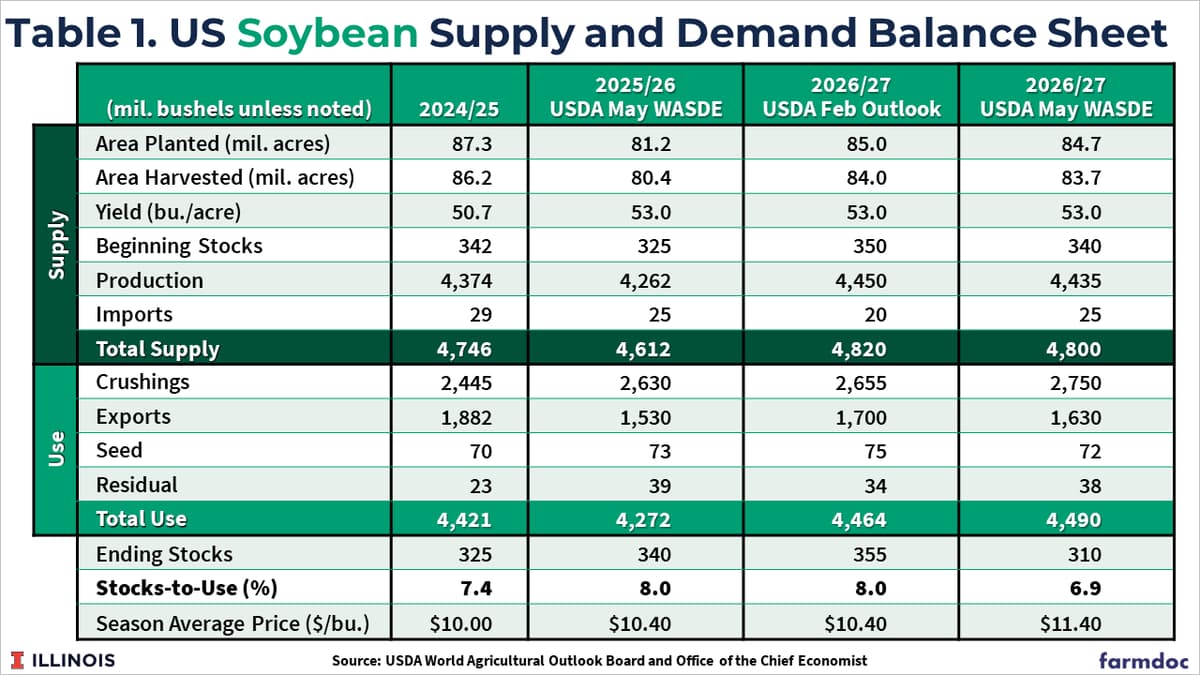
The USDA’s latest WASDE highlights a structural pivot in U.S. soybean demand: while total soybean supply remains stable, the balance sheet now shows a dramatic swing toward domestic oil use. Biomass‑based diesel, buoyed by the Renewable Fuels Standard’s higher blending obligations, is absorbing the bulk of the newly produced oil. This shift pushes export volumes to historic lows, effectively decoupling the U.S. soybean‑oil market from global vegetable‑oil trends and concentrating price formation within domestic supply‑demand dynamics.
Price elasticity, a cornerstone of commodity market stability, is eroding as export channels dry up. Historically, export markets have acted as a buffer, absorbing excess supply or shortfalls without dramatic price moves. With near‑zero export demand, any fluctuation in U.S. crush volumes or feedstock availability now translates directly into sharper price swings. Moreover, policy constraints on imported soybean oil limit the market’s ability to source external relief, amplifying the volatility risk for both growers and end‑users.
For market participants, the new landscape calls for revised risk‑management strategies. Producers may need to hedge more aggressively, while biofuel processors could explore longer‑term contracts to lock in oil prices. Traders should monitor RFS policy updates, as changes to blending ratios or Renewable Identification Numbers can quickly alter domestic oil demand. Ultimately, the convergence of higher domestic crush, minimal exports, and policy‑driven biofuel demand reshapes the soybean‑oil value chain, making volatility a central consideration for the 2026/27 marketing year and beyond.
New-Crop Soybean Oil Export Projection Suggests Greater Price Volatility
Comments
Want to join the conversation?