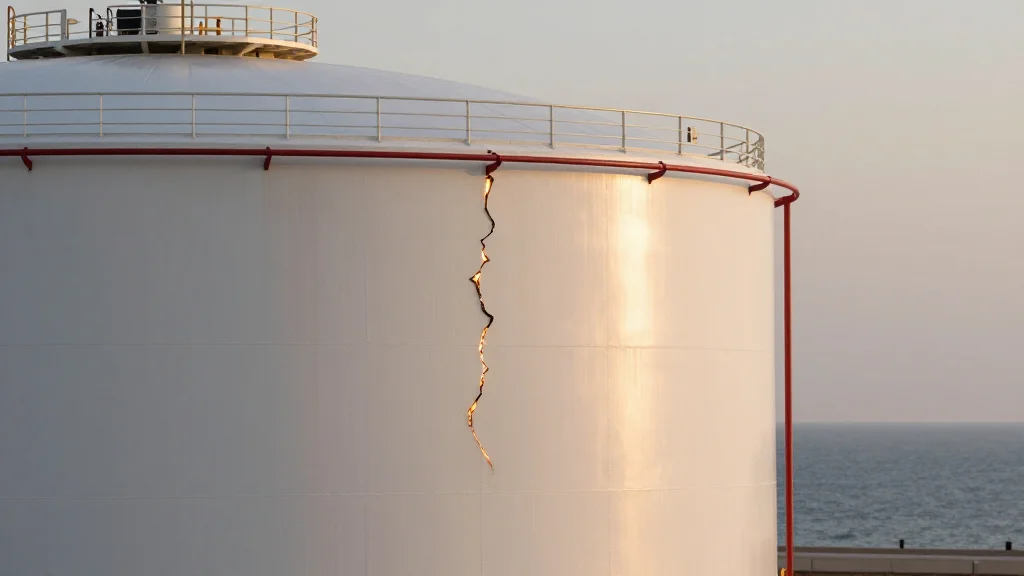
Qatar LNG Under Constraint: Capacity Loss and Export Dislocation Shakes Global Gas Markets
Key Takeaways
- •Qatar lost ~17% LNG export capacity after Ras Laffan attacks.
- •Repairs could take years, delaying return of damaged LNG trains.
- •Europe and Asia face tighter supply and higher spot prices.
- •Strait of Hormuz bottleneck reduces tanker movements, straining trade flows.
- •Buyers scramble for alternative cargoes, boosting competition.
Pulse Analysis
The latest flare‑up in the Middle East has directly hit Qatar’s Ras Laffan LNG hub, the world’s largest single‑point LNG exporter. Damage to multiple trains has removed roughly 17% of Qatar’s outbound capacity, and the specialized cryogenic equipment required for repair is scarce, meaning full restoration could stretch over several years. This operational shock coincides with a chokepoint in the Strait of Hormuz, where heightened security checks and occasional closures have throttled tanker traffic, compounding the supply squeeze.
For import‑dependent regions, the impact is immediate. Europe, still rebuilding its gas portfolio after the Ukraine war, and fast‑growing Asian economies such as China and South Korea now face tighter supply margins. Spot LNG prices, already volatile, are expected to climb as buyers vie for the dwindling cargoes that can be rerouted from other producers. The reduced flow through Hormuz also forces charterers to seek longer, costlier routes around the Cape of Good Hope, further inflating freight rates and feeding into end‑user pricing.
In the longer view, the disruption accelerates a strategic shift toward supply diversification. Utilities and trading houses are likely to lock in longer‑term contracts with alternative suppliers in the United States, Australia, and East Africa, while also investing in floating storage and regasification units to hedge against future chokepoints. The episode underscores the fragility of over‑reliance on a single hub and may spur policy discussions on energy security, infrastructure resilience, and the need for a more geographically balanced LNG market.
Qatar LNG under constraint: capacity loss and export dislocation shakes global gas markets
Comments
Want to join the conversation?