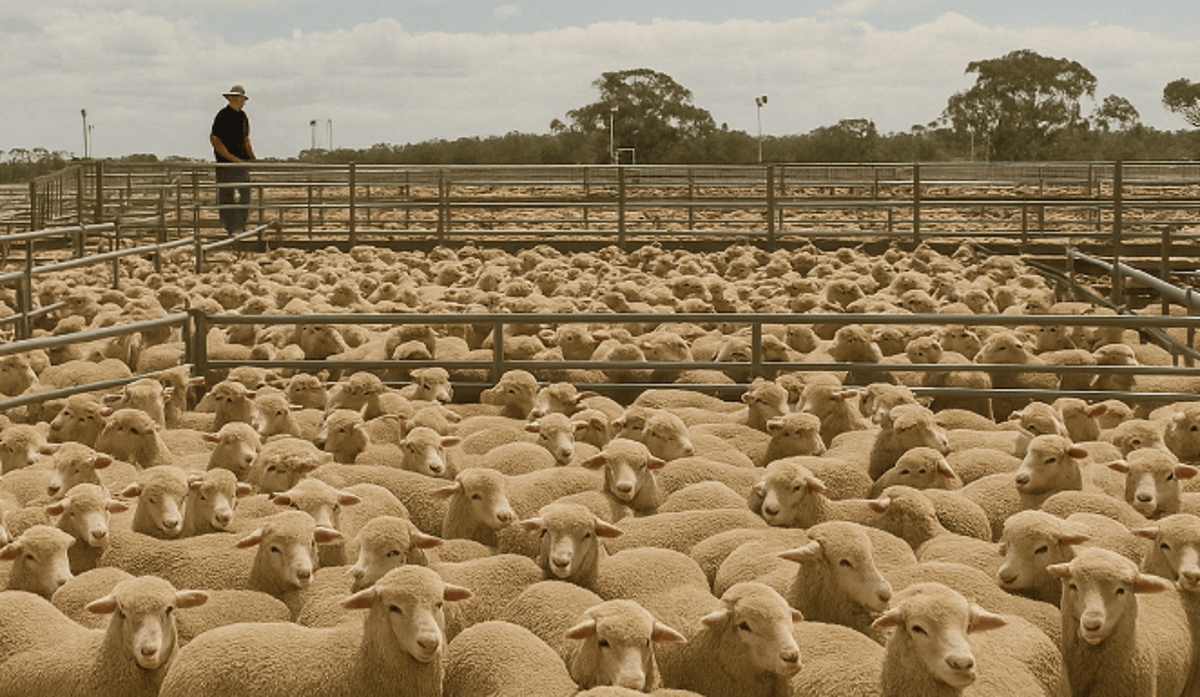
Shorter Easter Week Prompts Tighter Supply
Key Takeaways
- •Easter week cut processing, yardings fell 30%‑40% in NSW
- •Heavy lamb price up 32c to ~AU$7.5/kg (≈$7.5/kg)
- •Queensland yardings rose, offsetting southern declines
- •Tight supply pushes price gains across all lamb categories
Pulse Analysis
Seasonal disruptions such as a shortened Easter processing window often create short‑term supply gaps in livestock markets, but the recent data suggest a deeper, structural tightening in Australian sheep meat. Across the southern states, yardings for both sheep and lamb have contracted sharply, with New South Wales seeing the steepest declines. This contraction has forced processors to compete more aggressively for limited stock, driving price gains that are now reflected in both domestic benchmarks and export‑ready categories.
The price reaction is notable: heavy lamb has risen 32 c to roughly 1,134 c per kilogram carcass weight, which translates to about US$7.5 per kilogram, while light lamb and Merino lamb have posted similar gains. These moves are not merely a holiday‑driven spike; they signal that the market is operating near the lower end of its supply curve, giving producers stronger bargaining power and encouraging restockers to re‑enter the market with confidence. For exporters, firmer lamb prices improve revenue prospects, especially as Asian demand remains robust.
Looking ahead, the regional divergence—Queensland’s yardings climbing while southern states contract—highlights the importance of localized supply dynamics. If processing capacity returns to normal after Easter, the market may see a modest rebound in offerings, but the underlying tightness suggests that price support could persist. Stakeholders should monitor upcoming MLA reports for signs of supply easing, while also preparing for potential price volatility driven by weather events or feed cost fluctuations that could further tighten margins.
Shorter Easter week prompts tighter supply
Comments
Want to join the conversation?