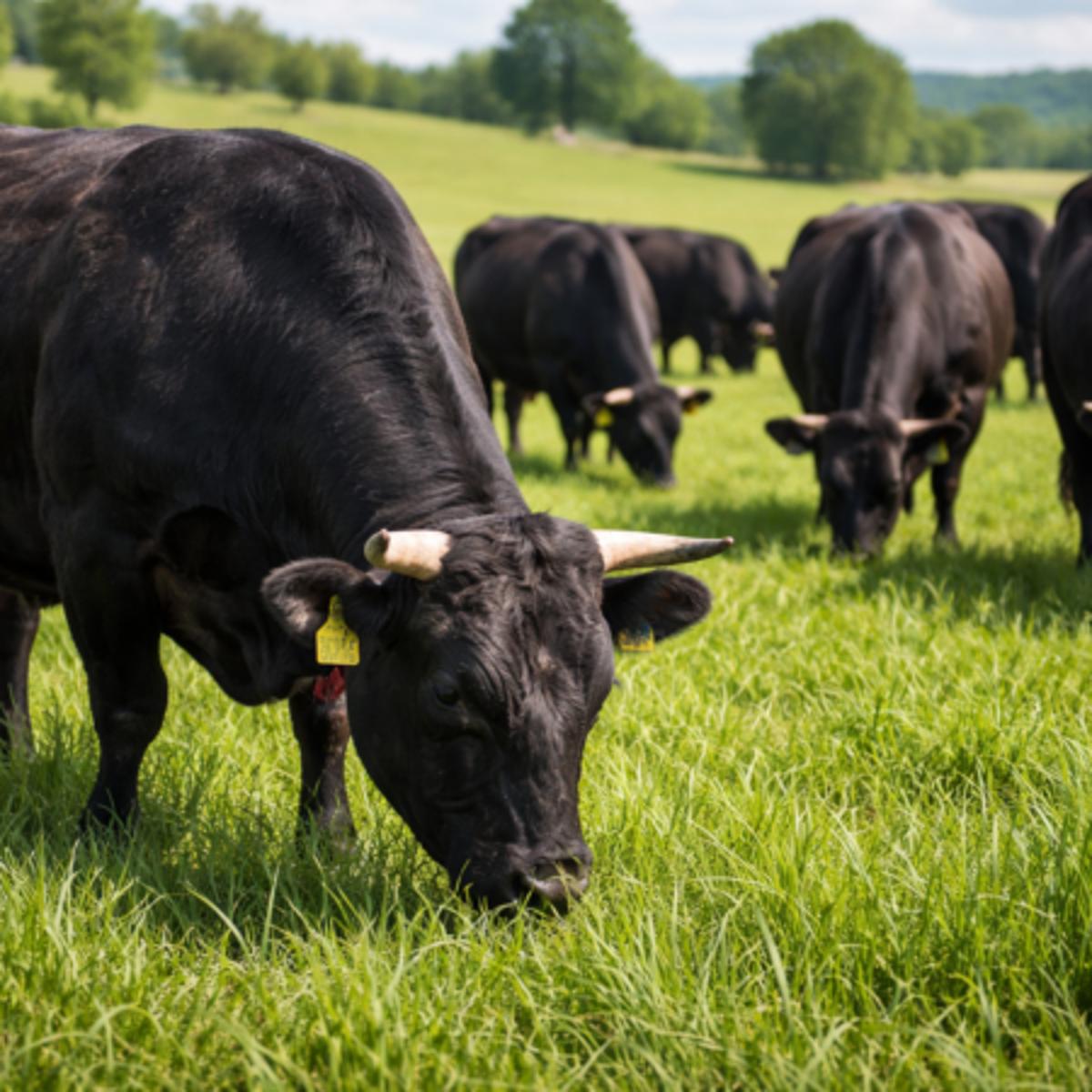
Wagyu Numbers Ease
Key Takeaways
- •Average days on feed fell to 155 days in 2025.
- •Wagyu head count dropped 25% to ~227,000.
- •F1 Wagyu premiums collapsed to 2% in Q2 2025.
- •Long‑fed cattle (>300 days) numbers declined alongside Wagyu.
- •Premium recovery to 30% late 2025 may revive long‑fed segment.
Pulse Analysis
The average days on feed metric is a barometer of feedlot efficiency and profitability. In 2025, Australia’s grain‑fed sector saw this figure shrink by nine days, reflecting a broader pullback in long‑fed programs. Because Wagyu cattle typically require extended feeding periods, any fluctuation in their numbers reverberates through the entire system, reshaping herd composition and feed utilization rates.
The catalyst behind the shift was a dramatic swing in Wagyu price premiums. After averaging a 32% premium over the 2016‑2025 period, the F1 Wagyu premium plunged to a mere 2% in the second quarter of 2025, effectively nullifying the price advantage of premium beef. This compression prompted feedlot operators to redirect cattle into shorter‑duration, lower‑margin cycles, slashing the headcount of Wagyu on feed by roughly 73,000. By the fourth quarter, premiums recovered to around 30%, but the lag meant the sector had already adjusted its production cadence.
Looking ahead, the feedlot landscape will likely track premium stability. If Wagyu price differentials remain near historical averages, producers may rebuild long‑fed inventories, restoring higher average days on feed. Conversely, renewed volatility could keep the sector anchored in shorter feeding regimes, influencing everything from feed contracts to export supply. Stakeholders—from ranchers to meat processors—must monitor premium trends closely, as they remain the primary lever shaping Australia’s premium beef outlook.
Wagyu numbers ease
Comments
Want to join the conversation?