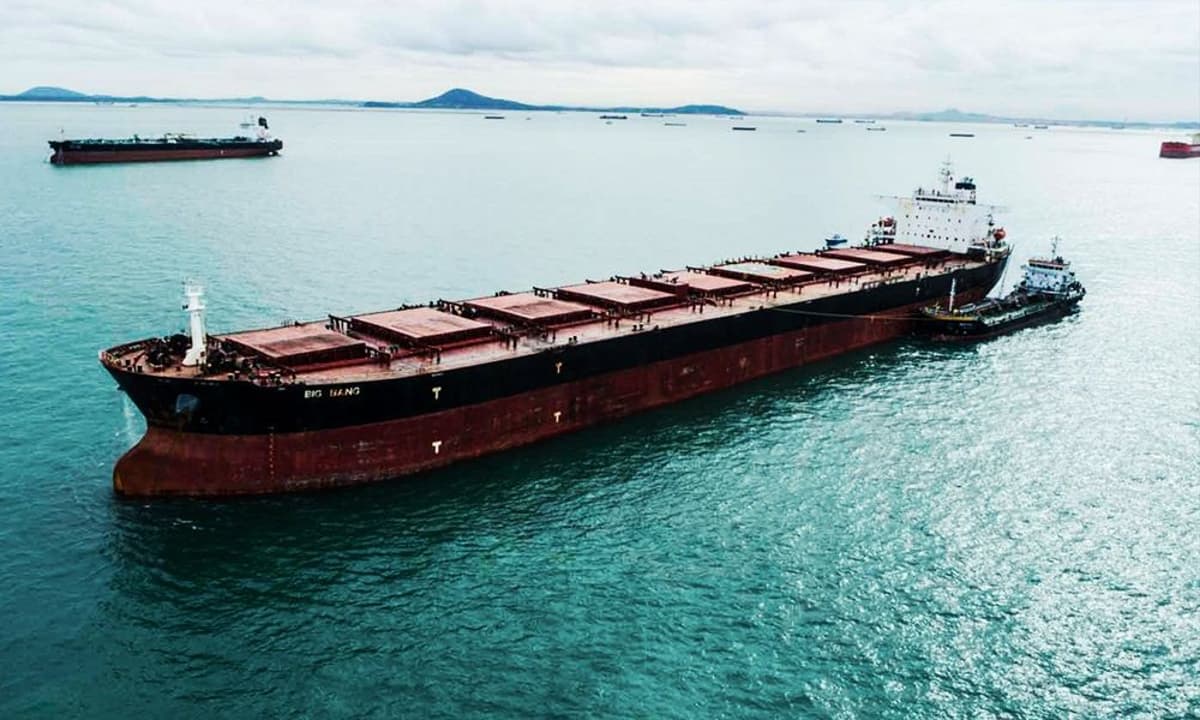
Active Mercuria Energy Adds a Cape
•February 23, 2026
0
Why It Matters
Mercuria’s aggressive capesize buying and VLCC chartering demonstrate confidence in bulk‑shipping earnings and diversify its exposure, potentially reshaping market dynamics amid a traditionally slow season.
Key Takeaways
- •Mercuria bought 182,100 dwt *Epic* for ~$32 million
- •Fifth capesize acquisition since September shows aggressive expansion
- •Purchase price exceeds previous capesize deal by $0.6 million
- •Simultaneous VLCC charter activity indicates dual market strategy
- •European buyers remain passive while Mercuria leads market activity
Pulse Analysis
The capesize market has entered a rare bullish phase, with Chinese firms snapping up roughly one vessel per week. Mercuria’s latest purchase of *Epic*—a relatively young, 2010‑built bulk carrier—signals that the Swiss trader is willing to pay a premium to secure modern tonnage. By moving beyond the older *Frontier Kotobuki*, Mercuria not only upgrades its fleet capacity but also positions itself to capture higher freight rates as global iron ore demand rebounds, especially from Asian steel mills.
Parallel to its dry‑bulk moves, Mercuria is deepening its presence in the VLCC arena, fixing daily rates above $140,000 on vessels such as *Olympic Life* and *Hercules I*. This dual‑track strategy mitigates seasonal volatility; when capesize earnings dip, VLCC charter revenues can offset the shortfall. Moreover, the trader’s willingness to lock in rates on relatively new tankers reflects confidence in crude oil transport demand, driven by shifting supply patterns and the resurgence of Asian refiners.
Mercuria’s actions contrast sharply with the broader European trading community, which has largely stayed out of the market during this period. By aggressively expanding its asset base, the firm not only strengthens its balance sheet but also gains leverage in negotiations with charterers and ship owners. This could pressure competitors to accelerate their own fleet acquisitions, potentially tightening vessel supply and sustaining elevated freight rates across both bulk and tanker segments. The move underscores a strategic shift toward integrated shipping exposure, enhancing Mercuria’s ability to capture value across the entire commodity supply chain.
Active Mercuria Energy adds a cape
0
Comments
Want to join the conversation?
Loading comments...