Asia Leads Global LNG Demand Destruction as Middle East Conflict Knocks Out Supplies
Why It Matters
Reduced Asian demand erodes the primary growth engine for LNG, pressuring prices and accelerating a shift toward alternative fuels, which could reshape global energy trade.
Key Takeaways
- •Asian LNG imports at pandemic‑low levels.
- •Qatar and UAE supplies halted by conflict.
- •JKM price steadied near $16.55/MMBtu.
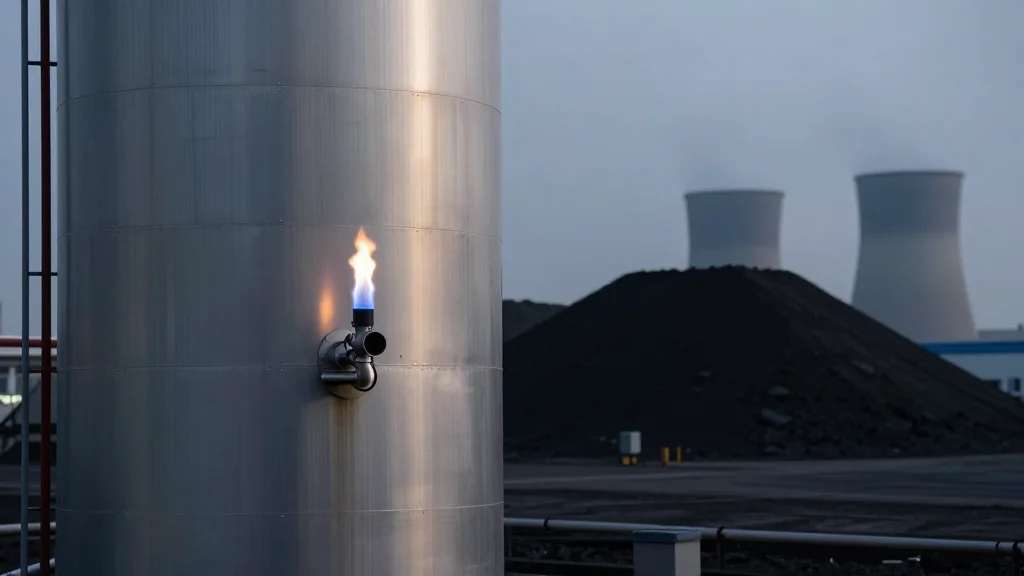
- •Coal and nuclear generation rising in Asia.
- •European LNG demand remains weak.
Pulse Analysis
The ongoing conflict in the Middle East has abruptly cut off LNG flows from Qatar and the United Arab Emirates, two of the world’s most reliable exporters. This supply shock coincides with a broader slowdown in global energy demand, pushing Asian import volumes to their lowest point since the COVID‑19 pandemic. Spot prices on the Japan‑Korea Marker (JKM) have settled near $16.55 per MMBtu, a level that reflects both the scarcity of cargoes and the market’s anticipation of further disruptions.
Asian power producers are responding by leaning on coal and nuclear assets to fill the gap left by missing LNG cargoes. Coal-fired generation, historically on a decline due to environmental policies, is seeing a modest resurgence as utilities prioritize reliability and cost over emissions targets. Simultaneously, nuclear output is being maximized where capacity exists, offering a low‑carbon alternative to gas. These shifts underscore the tension between short‑term energy security and long‑term climate commitments, especially as the region grapples with rising electricity demand.
Globally, the ripple effects extend beyond Asia. Europe’s LNG appetite remains weak, constrained by abundant pipeline gas and a cautious approach to rebuilding inventories after a volatile winter. The combined demand contraction is prompting ship owners and traders to reassess fleet deployment and contract structures, while investors watch for signs of a prolonged pricing trough. In the longer view, the episode may accelerate diversification of supply sources, including increased interest in U.S. liquefaction projects and emerging African exporters, reshaping the geography of the LNG trade.
Asia Leads Global LNG Demand Destruction as Middle East Conflict Knocks Out Supplies
Comments
Want to join the conversation?
Loading comments...