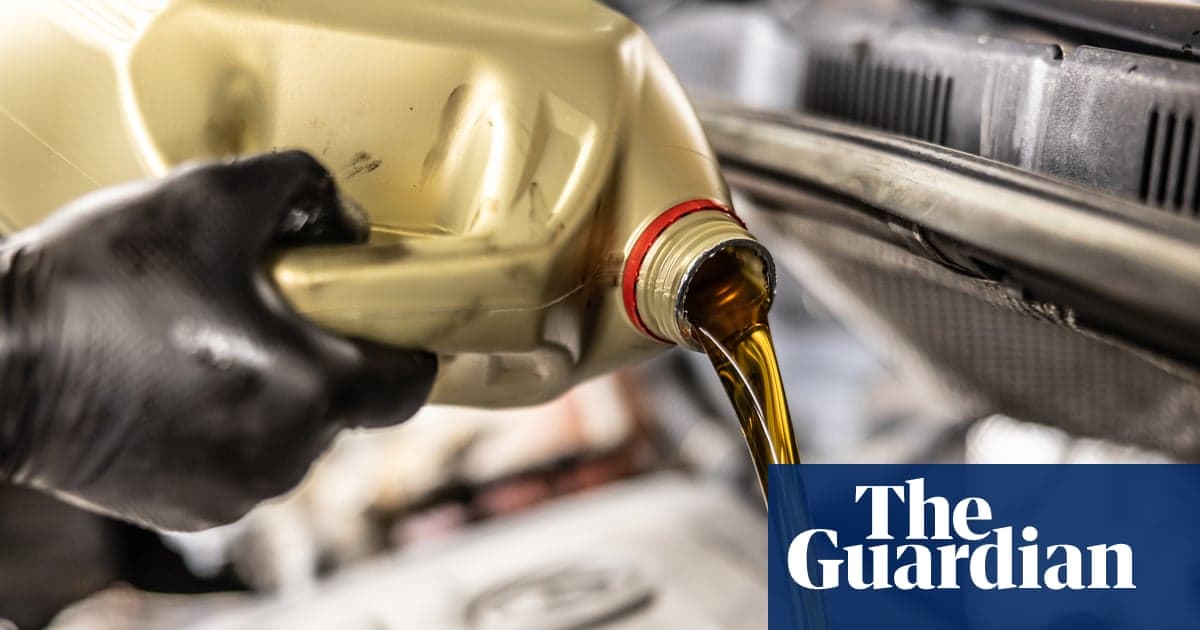
Australia Is Facing a Shortage of Critical Lubricants. How Do We Stop Everything Grinding to a Halt?
Why It Matters
Lubricant scarcity threatens engine reliability across transport, agriculture and mining, potentially slowing economic activity and raising operating costs. Government action could mitigate supply risks and stabilize a vital downstream oil market.
Key Takeaways
- •Base‑oil prices in Asia doubled to $1,790/tonne since February.
- •Australia imports most lubricants, making it vulnerable to Middle East disruptions.
- •Shortages could force dealers to use lower‑quality oil, hurting engine performance.
- •Farmers may cut crop output if machinery lacks affordable lubricants.
- •Government urged to treat base‑oil imports like fuel, including credit support.
Pulse Analysis
The surge in base‑oil prices reflects the broader fallout from the ongoing Middle East conflict, where damaged refineries in Qatar and Bahrain have throttled output of both Group II and Group III oils. Argus Media data shows Asian benchmarks climbing from $760 to $1,790 per tonne, a more than 100% increase in just three months. These raw materials are essential for producing engine oils, synthetic lubricants and a host of industrial greases, meaning any bottleneck quickly ripples through downstream manufacturers worldwide, including Australian importers who lack domestic capacity.
In Australia, the immediate impact will be felt at the pump and the garage. Retailers may raise oil‑change prices, prompting cost‑conscious drivers to postpone maintenance, while farmers and miners could confront higher operating expenses or even equipment downtime if lower‑grade blends replace premium formulations. Although electric‑vehicle adoption is rising, it still represents a small share of the fleet, so the majority of road and agricultural machinery remains dependent on conventional lubricants. The cumulative effect could depress productivity in key sectors such as agriculture, where delayed servicing may translate into reduced crop yields.
Recognising the strategic importance of lubricants, the Australian Lubricant Association has called on the federal government to extend fuel‑import credit mechanisms to base‑oil purchases and to embed lubricant security in bilateral trade talks. Such measures would lower financing costs for importers and provide a diplomatic lever to secure steady supplies. In the longer term, expanding domestic waste‑oil recycling and incentivising alternative lubricants could diversify the supply chain, reducing reliance on volatile overseas markets and safeguarding the nation’s engine‑driven economy.
Australia is facing a shortage of critical lubricants. How do we stop everything grinding to a halt?
Comments
Want to join the conversation?
Loading comments...