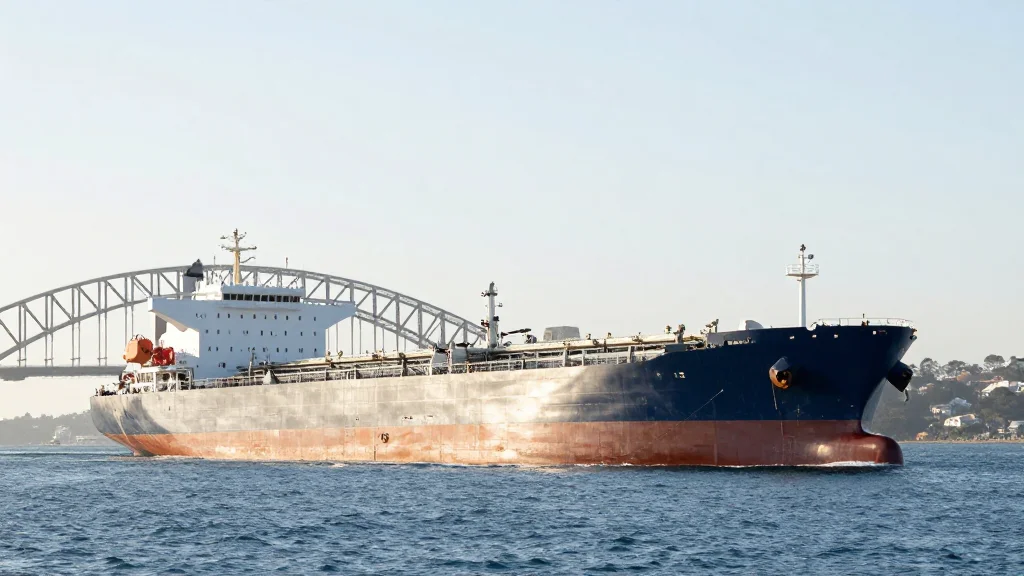
Australia to Import 1.6mn Bl Gasoline From Europe
Companies Mentioned
Why It Matters
The imports address Australia’s acute gasoline shortfall—just 38 days of stock—and signal a shift toward diversified, Europe‑sourced supply amid Middle‑East volatility. This reshapes regional fuel trade patterns and underscores the strategic value of price arbitrage in global energy markets.
Key Takeaways
- •Australia plans to import 1.6 mn barrels of gasoline from Europe.
- •Premium over $34 per barrel created arbitrage from Europe to Australia.
- •Vessels Pacific Debbie and Hafnia Thalassa carry 1.3 mn barrels via Cape.
- •TP Endeavour brings 300,000 barrels from Wales to Western Australia.
- •Australia holds only 38 days of gasoline stock as of early April.
Pulse Analysis
The United States‑Iran confrontation has rippled through global energy logistics, tightening feedstock availability and inflating transport fuel prices across the Asia‑Pacific. As European gasoline markets remained relatively insulated, a price spread emerged: Singapore’s non‑oxy gasoline surged to a $34‑plus premium over European benchmarks in March. Traders seized the differential, loading cargoes onto large LR2 tankers and routing them around the Cape of Good Hope, a longer but cost‑effective path given current freight market dynamics.
Australia’s fuel security strategy has historically leaned on U.S. imports, but the recent cancellations from Asian suppliers forced a rapid pivot. With only 38 days of gasoline on hand, the government and private traders accelerated European purchases to avert a domestic shortfall. The three vessels—Pacific Debbie, Hafnia Thalassa, and TP Endeavour—collectively deliver over 1.6 million barrels, enough to extend national reserves by several weeks. This influx not only stabilizes local markets but also demonstrates how arbitrage opportunities can quickly translate into strategic supply solutions when conventional routes are disrupted.
Looking ahead, the episode may recalibrate Australia’s long‑term sourcing mix. While European shipments are currently opportunistic, the demonstrated reliability could encourage broader diversification, reducing over‑reliance on any single region. Moreover, the episode highlights the importance of real‑time trade analytics platforms like Vortexa and Kpler, which provide the granular data needed to spot and act on fleeting price gaps. Energy firms and policymakers alike will watch these developments closely, as they could set a precedent for similar arbitrage‑driven imports in other fuel‑sensitive markets.
Australia to import 1.6mn bl gasoline from Europe
Comments
Want to join the conversation?
Loading comments...